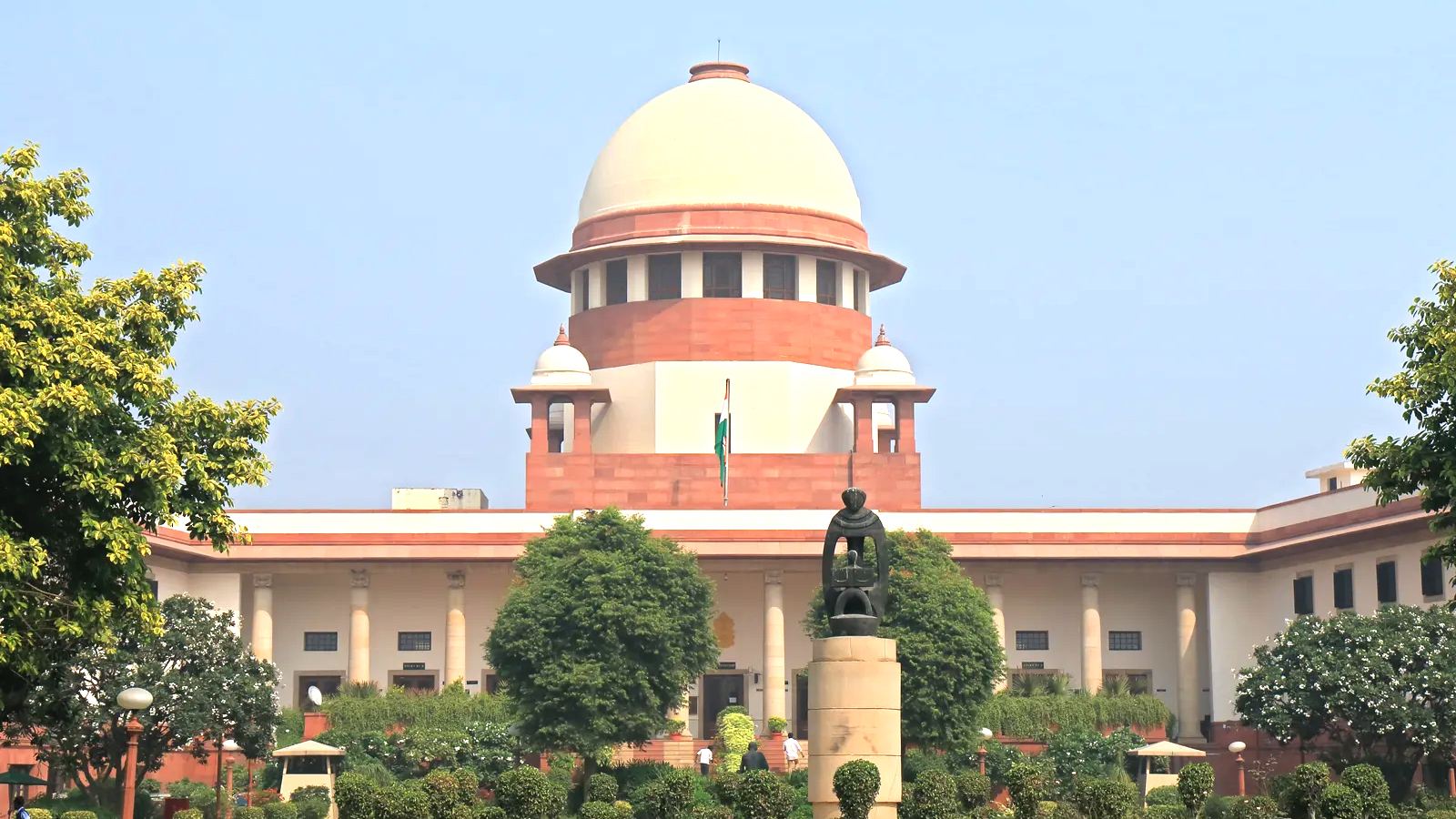
The Tamil Nadu Power Distribution Company Ltd vs Union of India has finally addressed the culture of pre-election “freebies” in India. The bench comprising Chief Justice of India Suryakant, Justice Joymala Bagchi and Justice Vipul Pancholi, responded to Tamil Nadu Power Distribution Company Ltd’s writ petition challenging Rule 23 of the Electricity Amendment Rules 2024.
Though not absolutely the first, the era of freebies or “revdi” culture started with late Indira Gandhi who gave away freebies in the name of her “garibi hatao” campaign. Since then, just about all political parties adopted it as an election norm. Despite that, the South Indian states especially, Tamil Nadu, Andhra Pradesh and Karnataka have relied heavily on the freebie culture as a pre-poll constant. In case of Tamil Nadu, the freebie culture started as early as 1950s and 60s.
Free food, ration, mid-day meals comprised freebies for a very long time. However, with years passing and the voters getting greedy, TVs, laptops, refrigirators, ACs, etc, have entered the scene. And the latest trend is to name a scheme and transfer money to women, students, unemployed and whoever, directly into their accounts.
And the ruling BJP has played the game too. In Delhi Assembly elections in 2025, the BJP promised free power, water and waste treatment to get to power in a historic win after 27 years. In Bihar, cash was transferred to women just before the voting day.
The schemes too don’t change from state to state. The freebies remain the common factor, a small name change does the job.
If one talks of Telangana and Andhra Pradesh, both states have given free bus services to women and spend in thousands of crores for the welfare schemes. The result, freebies lead to populist politics, fiscal irresponsibility and dependence.
The CJI has highlighted the very point. He said it was a national issue bearing long-term consequences for nation-building. With an entire strata of population gulping the freebies and turning lethargic and cash-flush with no effort from their part, the country is bound to face an economic imbalance in days to come, the CJI observed.
The CJI agreed we are a welfare state. But the underlying principle of that was to better the lives of those below the poverty line. If someone is good at studies and is unable to study further due to economic challenges, the state must step in and give financial aid. But if you start giving freebies without drawing any distinction between those who can afford and those who cannot afford, and you start giving, will it not amount to a sort of appeasement policy, the CJI wondered.
The debate of freebies is finally out in the open. CJI opined that freebies need not be doled even by surplus revenues states, let alone the cash deficit states. It is important that the states provide means of employment. If you feed them since morning, giving free food, electricity, free gas and directly delivering cash into their accounts, why should the people work? When they know they are going to get everything from one platform, why will they work? Is this nation building we are doing, CJI said.
Meanwhile, the Tamil Nadu case will be heard soon. Let’s hope it sets a precedent for other states to retain the dignity and self worth of individuals by encouraging them to provide their valuable contribution to country’s economy.