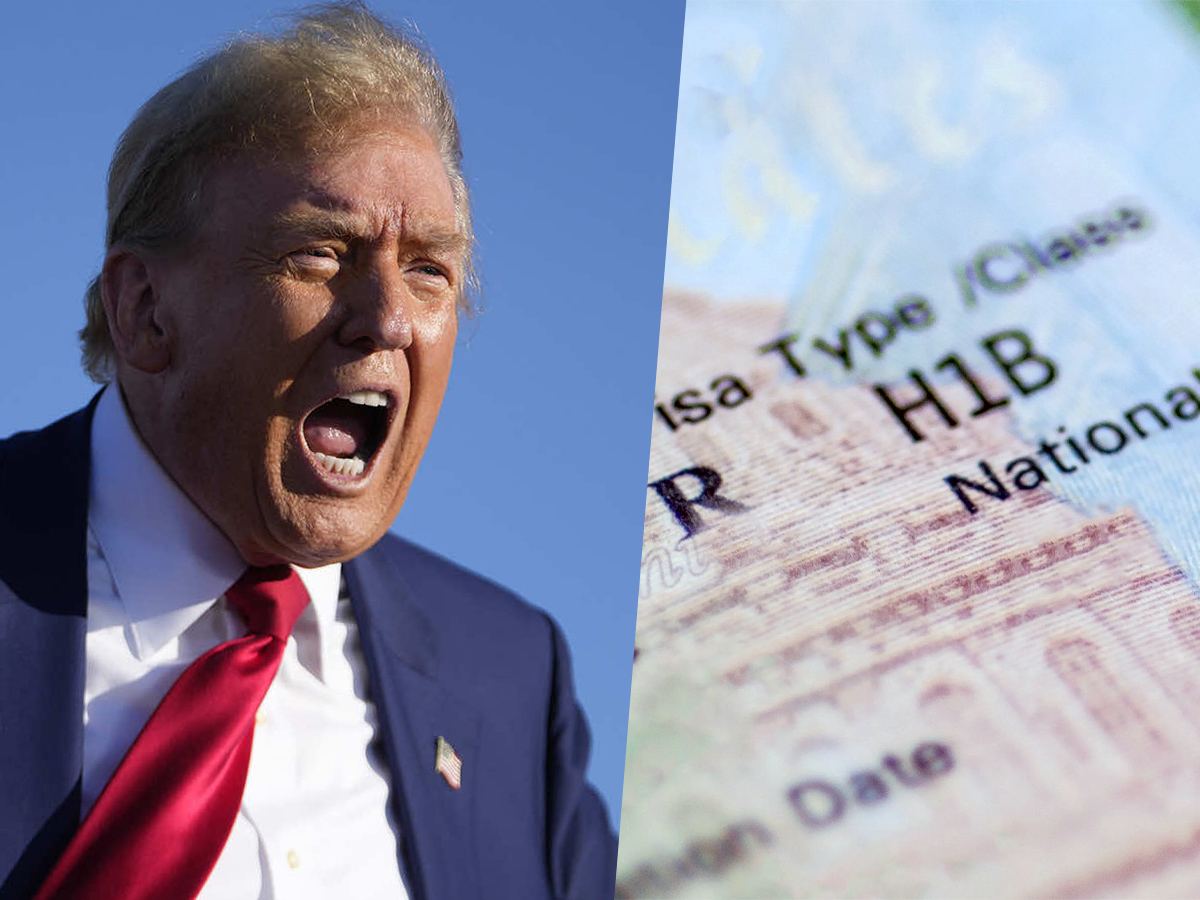
The official H-1B registration numbers for FY2027 are finally out, and they confirm what many people had been speculating about for months. According to USCIS, H-1B registrations dropped sharply from 343,981 in FY2026 to just 211,600 in FY2027, marking a massive 38.5% decline in just one year.
For a long time, there has been curiosity around these numbers, especially because social media has been flooded with anti-H-1B discussions, MAGA-driven narratives, layoffs in the tech industry, and growing uncertainty around U.S. immigration policies. Many people were waiting to see whether all this online noise had actually impacted H-1B demand in real numbers.
Now, the official figures clearly show that something has changed.
The drop is significant because H-1B registrations had exploded in recent years, often crossing expectations due to multiple registrations, consultancy abuse allegations, and intense competition among applicants. This year’s decline suggests that companies, applicants, or both have become more cautious.
Several factors may have contributed to this fall. The U.S. tech industry has gone through major layoffs over the past two years. Thousands of white-collar jobs have disappeared across companies like Amazon, Meta, Google, Cisco, and others. At the same time, stricter scrutiny from USCIS and changes aimed at reducing misuse of the lottery system also appear to have played a role.
There is also the psychological factor. Constant online campaigns against Indian H-1B workers, fears around visa denials, uncertainty about future immigration rules, and concerns over job stability in the U.S. have created anxiety among many international workers, especially Indians who form the largest share of H-1B applicants.
However, despite the sharp drop, the demand is still massive. More than 211,000 registrations for 85,000 visa slots still means the competition remains intense. The American tech industry continues to depend heavily on skilled foreign workers, particularly in software, AI, engineering, and data-related roles.
The FY2027 numbers may have fallen sharply, but the H-1B race is far from over.