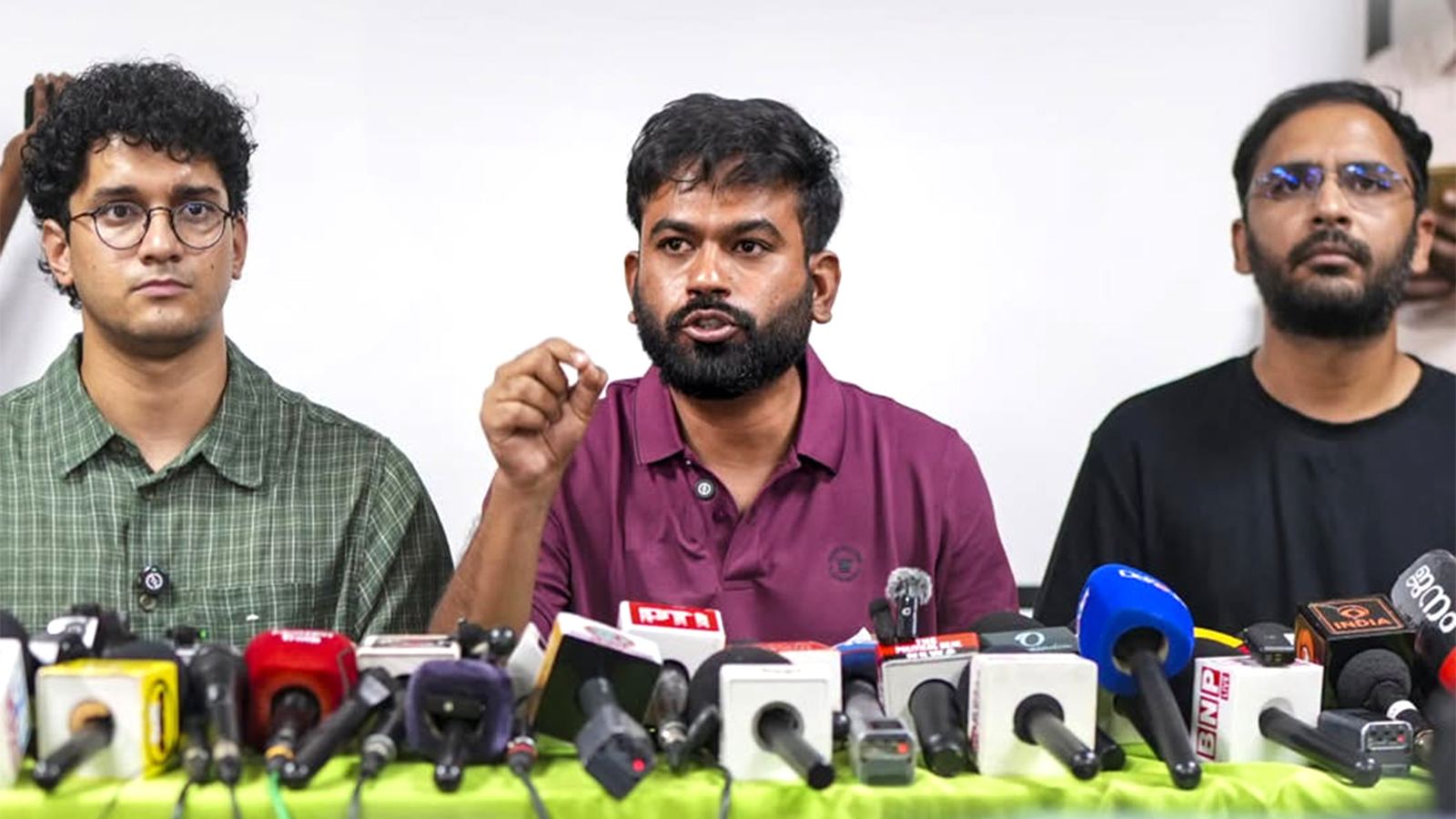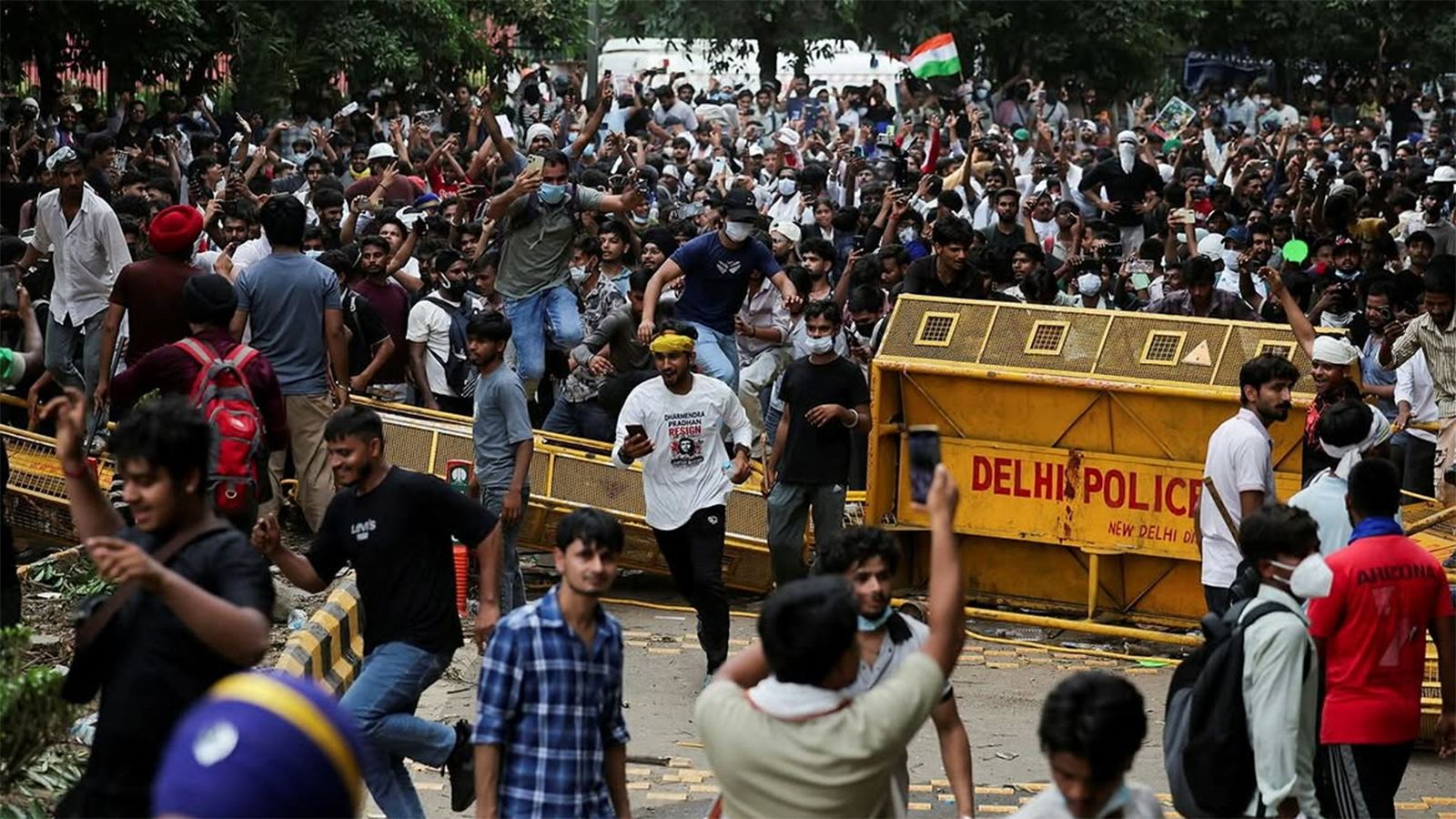
The first real time that the youth of the country took to the streets against the incumbent government in the Centre happened in Jantar Mantar, a couple of weeks ago.
This students protest was aimed against the leakage of NEET question paper and the subsequent resignation of education minister Dharmendra Pradhan. This is the first time that the central buses got to witness the wrath of the youth.
Now the social projections are suggesting that the Gen Z is going to be the leading voting population in India by the year 2029. According to the demographic, as many as 38 crore voters will fall in the 18-32 bracket by 2029.
Millennial for age 33 to 48 will be amounting to around 35 crore votes. The elderly population will constitute under the 23 crore votes.
Considering the fact that the youth of the country have been steadily losing patients with the education system, and also the ongoing commotion regarding the E20 blending in petrol, things could tight for the NDA.
We have nearly arrived at a point where the youth of the country will be deciding the upcoming government in India. This should be trouble some news for the NDA leadership which is almost entirely filled with senior leaders who are aged more than 75.
Even PM Modi has called for a shift in the political approach as he wants his party leadership to connect with the youth of the country by being more accessible on Instagram. There is a clear gap between the aspirations of the youth and the ruling authorities.
Comparatively Rahul Gandhi might be the younger option and could have a better connection with the youth of the country, but he has not been trusted for such a big position till now.
It could all come down to the voting pattern that will be displayed by the younger generation of the youth in the 2029 election, which could be deciding the outcome. If the India is to sustain this wave, then they will have to be really careful about the decisions with regard to youth policy making.