The ongoing NEET agitation highlights a critical shift in how major public grievances are fought in the country. What started as a focused struggle by students demanding examination transparency and systemic reforms has now transformed into a multi-layered political contest.
While the core issue directly affects millions of aspiring youth and their families, the opposition’s response to the crisis reveals a clearly divided strategy.
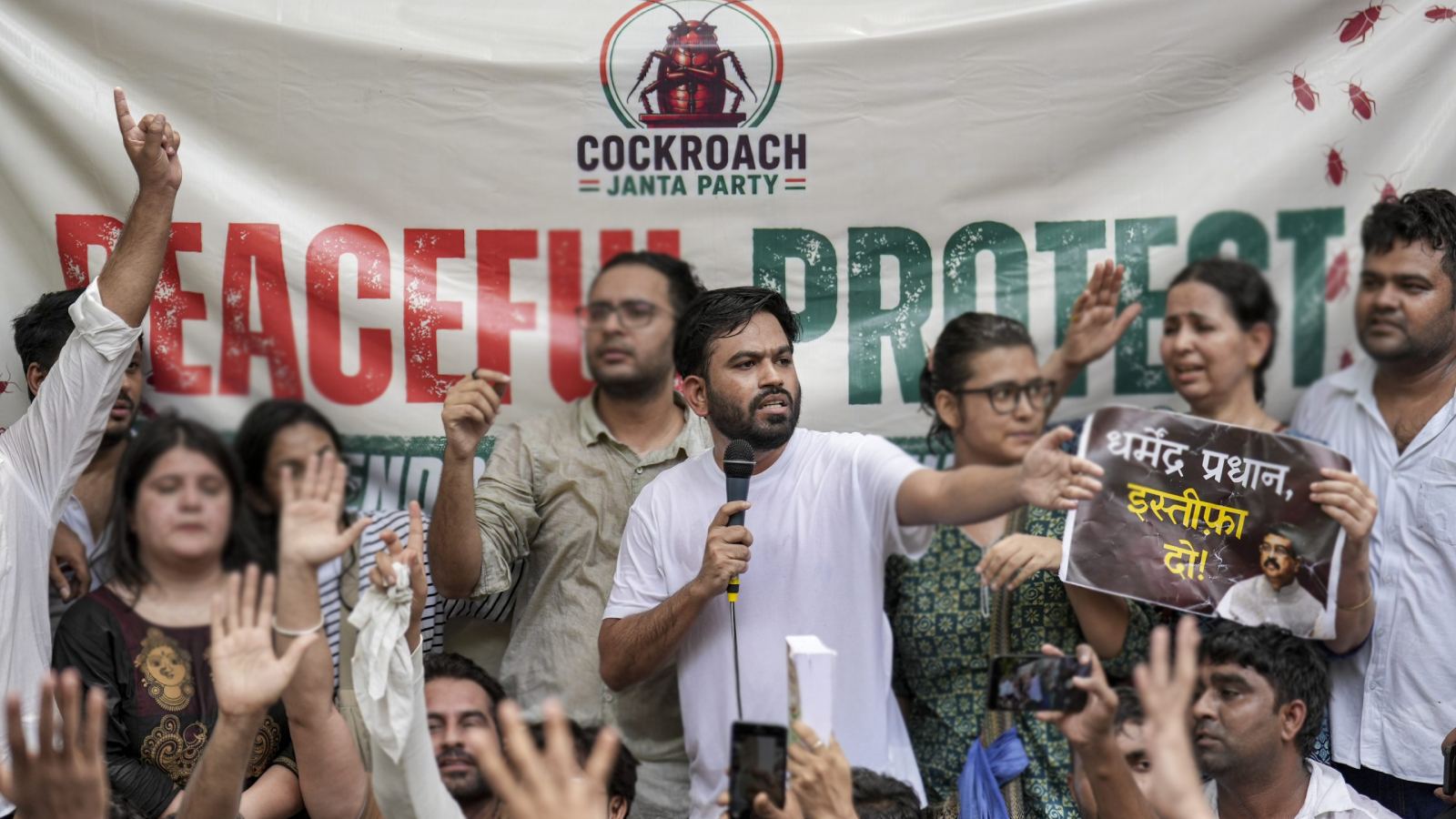
On one hand, independent student groups and organizations like the CJP have taken to the streets, mobilizing genuine youth frustration through direct demonstrations and sit-ins. On the other hand, the Congress party, led by Rahul Gandhi, has chosen a high-profile political path by escalating the issue directly to the Prime Minister’s doorstep.
This dual approach creates a situation where the movement operates on two completely different tracks simultaneously.
This division in strategy brings both opportunities and risks. Aggressive political intervention from major parties like the Congress brings national media focus and forces the central government to address the issue on the floor of Parliament.
However, when a youth movement becomes heavily dominated by a direct political battle between party leaders, the actual demands of the students risk being overshadowed by political point-scoring and headlines.
For a protest like NEET to achieve real results, the ultimate focus must remain on administrative accountability, exam integrity, and the future of the students. Political support is vital to challenge the ruling establishment, but when political rivalries take center stage, the movement risks becoming more about political strategy than genuine educational reform.