In many parts of rural India, unexplained incidents often give rise to fear and speculation. When clear answers are delayed, folklore fills the gaps. Social media then magnifies these narratives, turning local incidents into viral mysteries overnight.
One such case has emerged from Singanpur village in Uttar Pradesh’s Auraiya district. A 20-year-old woman reportedly went to sleep on Sunday night and was found missing the next morning, leaving her family in shock and confusion.
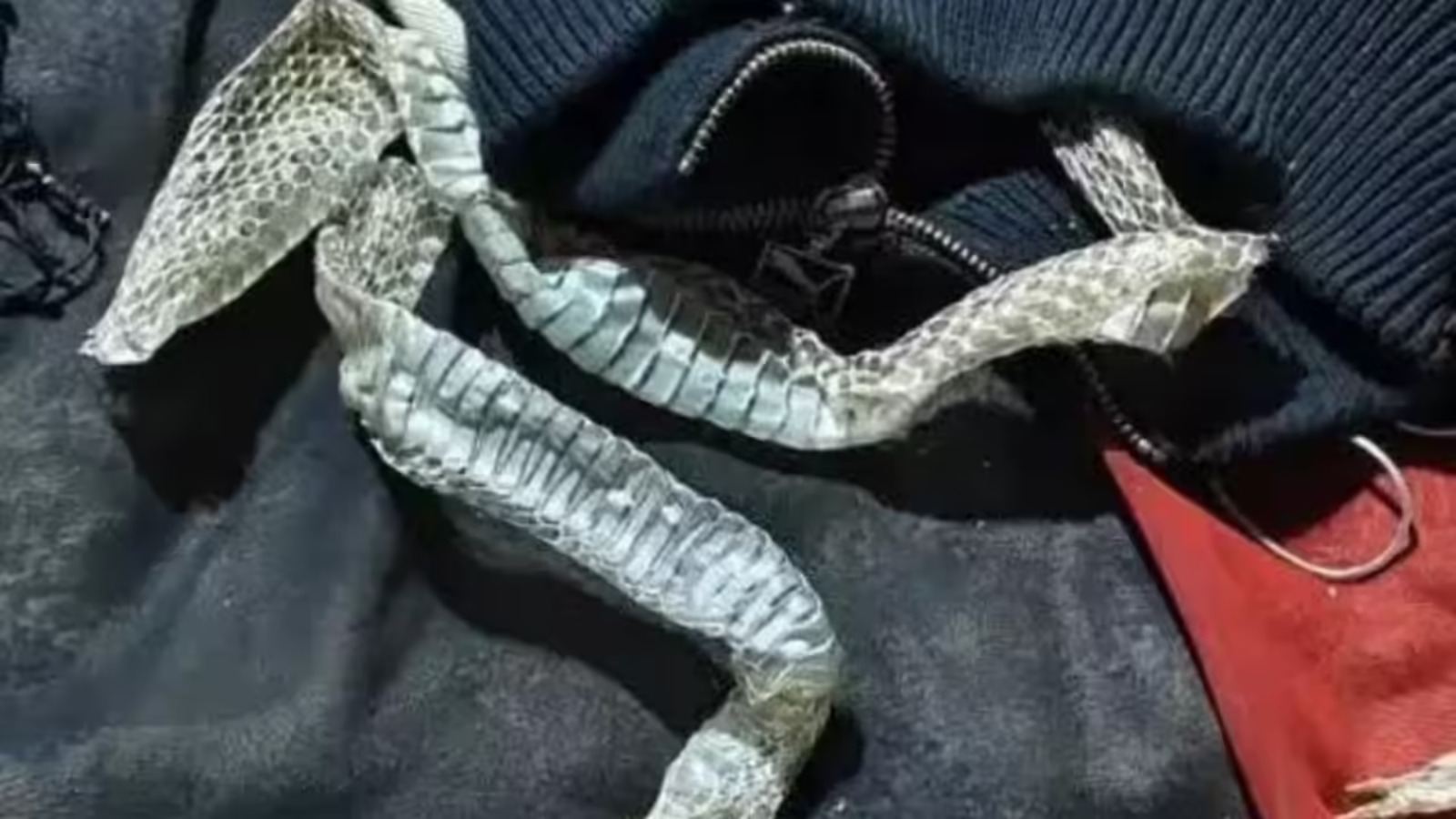
The situation grew more disturbing when her clothes and jewellery were found neatly placed on the bed. What shocked villagers further was the presence of what appeared to be a five-foot snake skin lying beside them.
Soon after, rumours began circulating that the woman was an “ichchadhari naagin.” These claims gained traction due to the discovery of a snake burrow inside the room, pushing fear and superstition deeper into the narrative.
Police authorities have strongly rejected all supernatural theories linked to the case. Officials have registered a case under Section 87 of the Bharatiya Nyaya Sanhita and launched a focused investigation to trace the missing woman.
Multiple police teams have been deployed, and mobile phones from the household have been seized. Call records and digital activity are being examined to establish the woman’s last known movements and contacts.
According to the police, the snake skin may have been placed deliberately to mislead investigators. Officials believe the focus must remain on evidence rather than dramatic interpretations driven by fear or folklore.
At its core, this remains a case of a missing young woman and a family seeking answers. Sensational stories divert attention from accountability, urgency, and safe recovery efforts.
In moments like these, restraint and empathy are essential. Trust in due process and factual investigation matters far more than rumours amplified through social media.