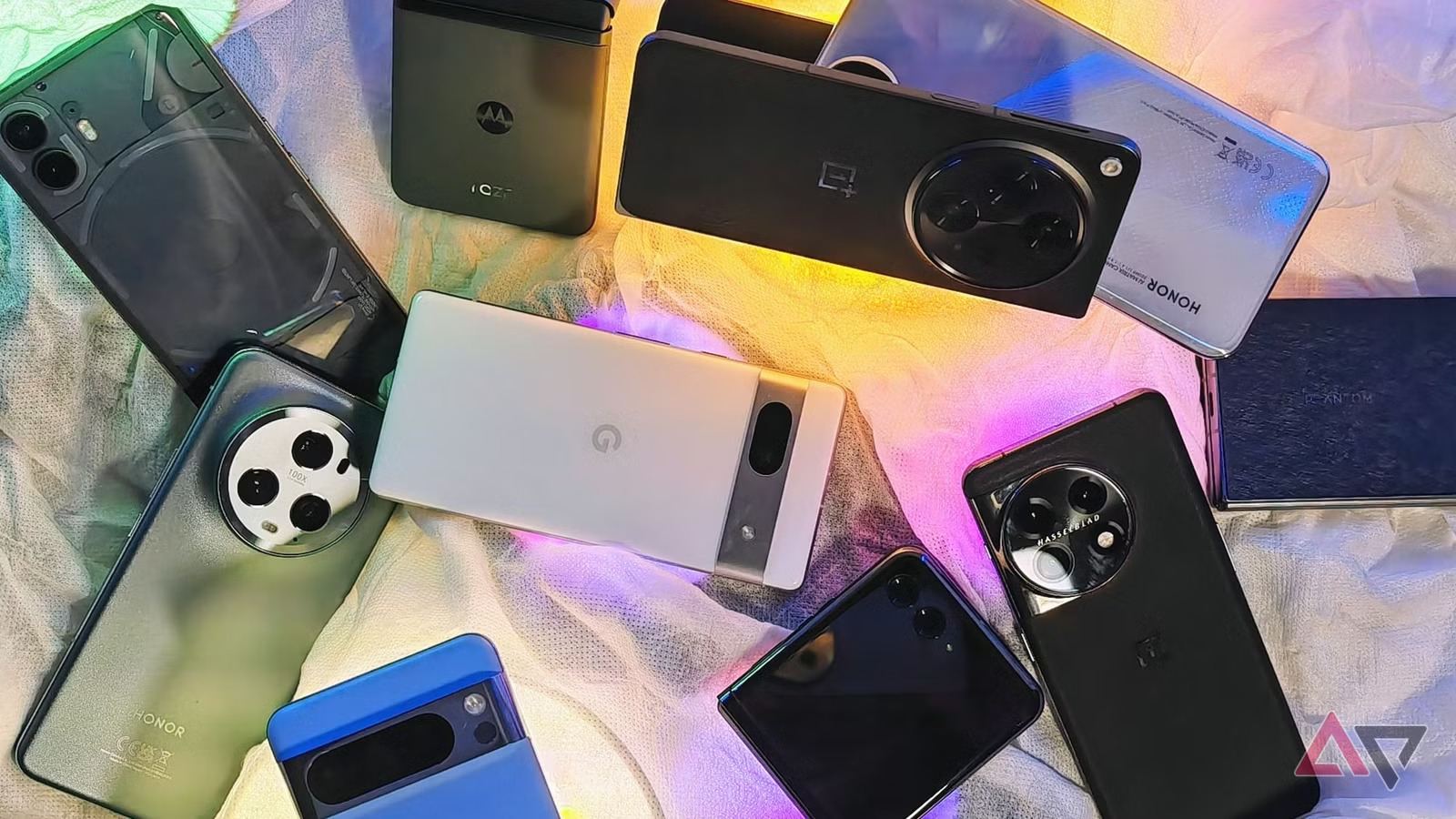
India’s smartphone market has long remained a fierce battleground for global brands, mirroring changing consumer habits and economic realities. Strong competition has improved pricing and features. At the same time, it raises serious questions around self-reliance in a sector critical to digital growth.
Latest data from early 2026 highlights clear market leaders. Vivo tops the chart with 18.3 percent, followed by OPPO at 13.9 percent and Samsung at 12.6 percent. Apple holds 10.4 percent, with Realme, Xiaomi, and Motorola close behind.
The remaining market share is split among smaller players. What stands out is the absence of any Indian brand in the top rankings. This gap was pointed out in a viral post shared by @IndianTechGuide, sparking widespread debate online.
Chinese brands such as Vivo, OPPO, Realme, and Xiaomi together control over half the market. Their dominance reflects a strong grip on India’s mid-range segment. Feature-rich devices at competitive prices continue to attract value-conscious buyers.
This trend is not unexpected. Heavy investment in research, strong supply chains, and fast product cycles give Chinese manufacturers a clear advantage. Indian startups often struggle with funding, scale, and long-term innovation planning.
Government initiatives like Make in India have increased local manufacturing. Many smartphones are now assembled in Indian factories. However, true indigenous design and intellectual property development still remain limited.
The absence of an Indian brand at the top hurts national pride. It highlights the need for stronger policies around skills, incentives, and IP protection. With 5G expansion and AI features rising, the opportunity window is still open.
Depending on imports forever is not a sustainable path. Bridging the innovation gap will decide whether India can build global smartphone brands in the coming decade.