Restaurants often operate with tight profit margins. Rising input costs in recent years have made business operations more challenging. Many food businesses now adjust their pricing strategies to manage these financial pressures.
Restaurants depend heavily on essential resources for daily operations. When the cost of these resources rises, businesses must respond quickly. These adjustments may look small on the bill but reflect larger economic pressures.
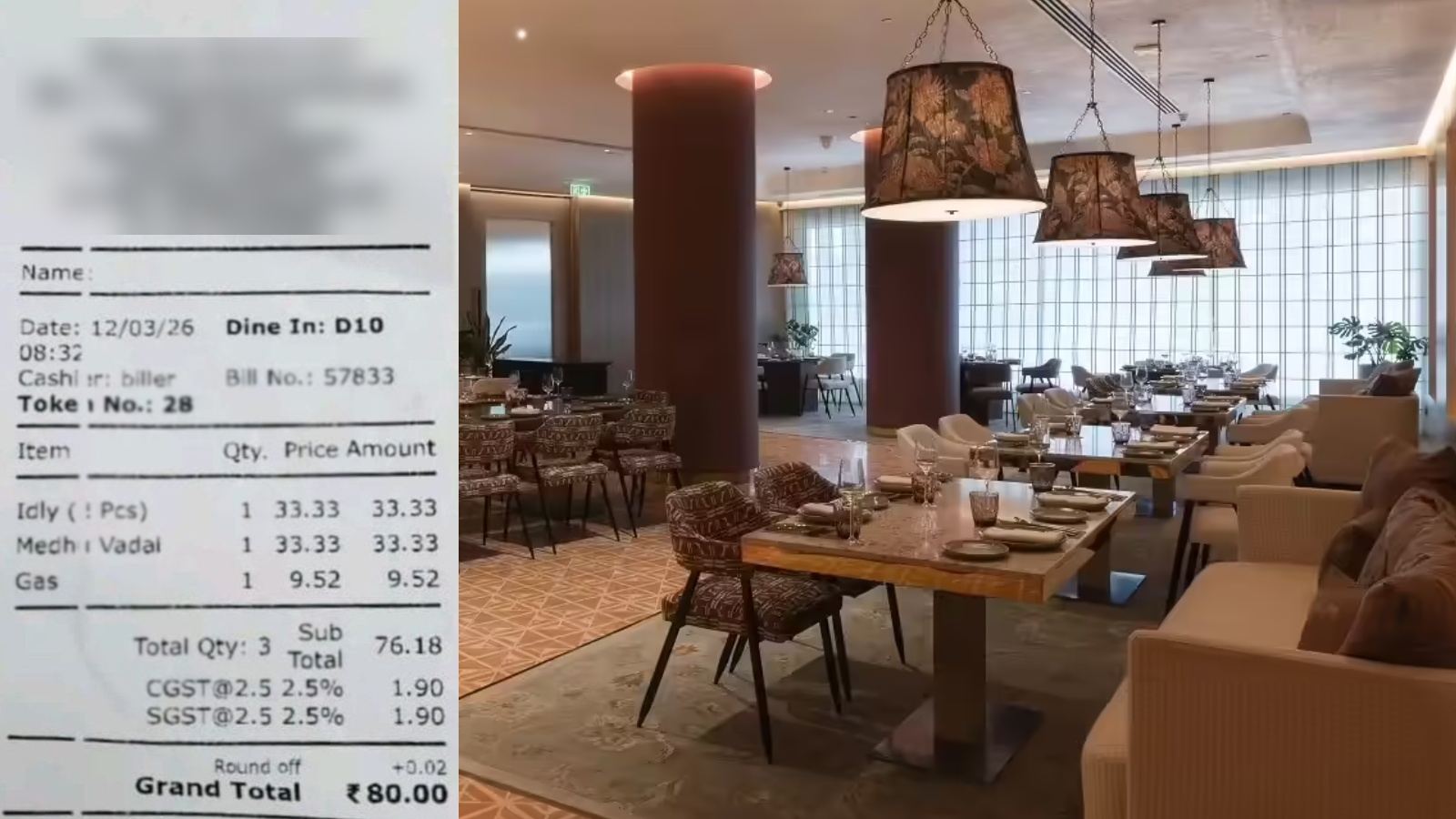
One development now being discussed is the introduction of an “LPG surcharge” by some restaurants. Cooking gas is essential for most kitchens. Any increase in its price or supply issues can directly affect restaurant operations.
Many restaurants serve hundreds of meals every day. Even a modest rise in cooking gas costs can increase overall expenses. To manage this pressure, some establishments appear to be adding a small LPG surcharge.
From a business perspective, this step may seem practical. Restaurants often need ways to handle rising operational costs. Adding a surcharge can help offset some of the additional financial burden.
However, customers may view these charges differently. Restaurant bills already include taxes and service fees. Extra charges such as an LPG surcharge can sometimes create frustration for diners.
The situation highlights how price fluctuations in essential commodities affect both businesses and consumers. Restaurants must balance rising costs while maintaining affordable pricing for customers.
If cooking gas prices continue to rise or supply concerns remain, restaurants may explore more cost management strategies. At the same time, clear communication about surcharges can help maintain customer trust.
Restaurants are adding ‘LPG surcharge’ to bills as cooking gas concerns hit kitchens. pic.twitter.com/zmYFM8kvLu
— Indian Tech & Infra (@IndianTechGuide) March 13, 2026