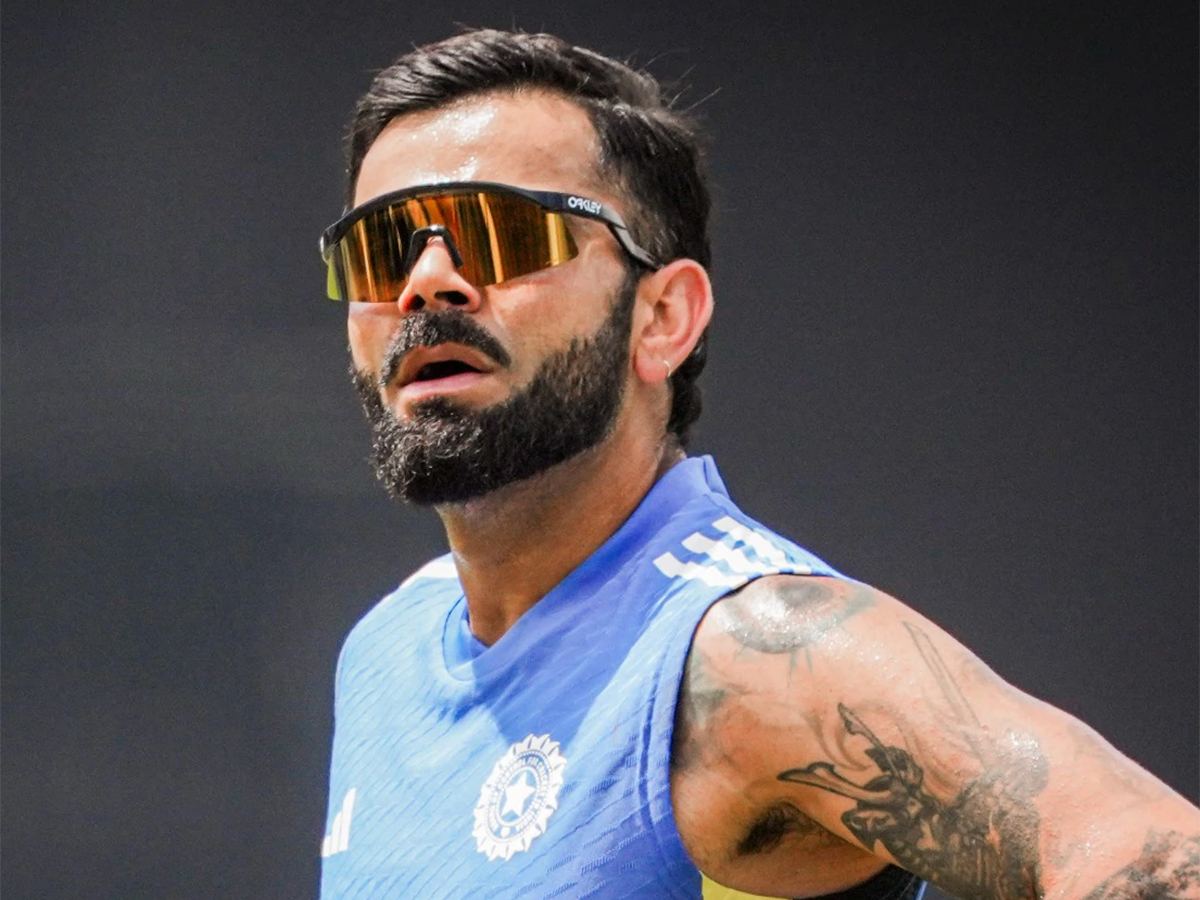
Virat Kohli has already stepped away from Test and T20 International cricket and is now focused solely on One Day Internationals. With the ICC ODI World Cup 2027 approaching, the question gaining attention is whether Kohli will still be part of the Indian squad. By then, he will be 39, which fuels much of the speculation surrounding his future in the format.
Kohli, currently 36, would likely be the oldest player in the team if selected for the 2027 tournament. Cricket boards often begin long-term planning for World Cup squads years in advance, creating more room for emerging talents to be tested and groomed. This raises the dilemma: should India look forward with new blood or continue to back a seasoned legend who has already achieved historic milestones?
Despite concerns about age, Kohli’s ODI stats remain among the best. With 302 matches, 14,181 runs, an average of 57.88, 51 centuries, and 74 fifties, he continues to perform at an elite level. He also contributed to India’s Champions Trophy 2025 victory in the UAE, proving that he still thrives under pressure at the highest level.
Former chief selector Chetan Sharma addressed the ongoing debate over Kohli’s role. In an interview with Sports Yaari, he stated, “If Kohli is fit then why not? Age is just a number.” Sharma emphasized that what matters most is performance and match-winning ability, not just age. If Kohli continues to score runs and help India win, Sharma believes he absolutely deserves a place in the side.
Sharma also noted that Kohli is self-aware and would only continue playing if he’s confident in his ability to contribute. He said, “Don’t worry about Virat. He knows himself better than anyone else.” That kind of clarity reinforces that Kohli won’t overstay his time; he’ll step back when he feels he’s no longer helping the team.
This brings the discussion into sharper focus. Kohli’s presence in the 2027 World Cup would offer India vital experience, leadership, and poise during high-stakes matches. However, retaining veteran players for too long can affect team dynamics. India must make space for younger talent, and that often comes at the cost of letting go of legends. The decision must be based on logic, not sentiment.
Kohli is expected to return during India’s white-ball tour of Australia later this year. His performance in that series could provide early signs of whether he’s still in peak form and ready for another multi-year commitment. A strong showing will certainly make the selectors’ decision even more challenging.
Ultimately, the decision will rest with both Kohli and the selectors. If he stays fit, continues scoring, and leads the team to victories, it will be difficult to leave him out. But if India decides to start building for the future, they may gradually move past senior players. Until then, one thing is certain: Virat Kohli’s toughest opponent isn’t his age—it’s the assumptions surrounding it.