If you were to make a Harry Potter movie based on modern times, your imagination would indeed align with recent developments, where AI proves to be more constructive rather than demolishing jobs, it was able to do quite a magical task.
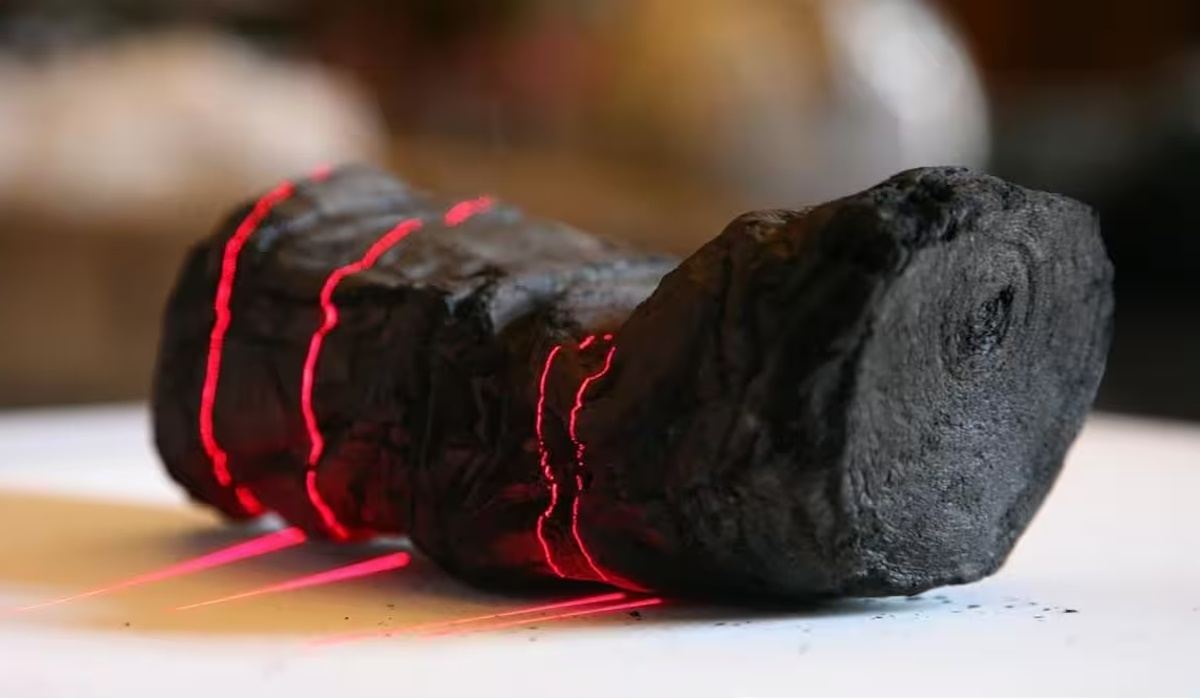
In the 18th century, over 1,800 papyrus scrolls, known as the Herculaneum papyri, were uncovered in Italy following the eruption of Mount Vesuvius in 79 AD, which charred them.
Initially, these scrolls were considered unreadable, but in a recent global competition, a 21-year-old computer science student successfully employed a machine learning algorithm to decipher the first text from the scrolls. The competition had a total prize pool of $700,000 for those who could read four or more passages.
In 1752, scholars encountered a perplexing challenge when they attempted to unveil scrolls that looked strikingly like pieces of charred charcoal. As they cautiously began the process of unfolding these enigmatic artifacts, they quickly realized that their actions were unintentionally causing irreversible damage to these priceless historical treasures.
This attempt by the scientists will indeed make the reading of ancient texts much easier and will also demonstrate the necessary and valuable use of AI in various fields. Additionally, AI can revolutionize the field of archaeology, aiding in the study of patterns at certain events, among other aspects.