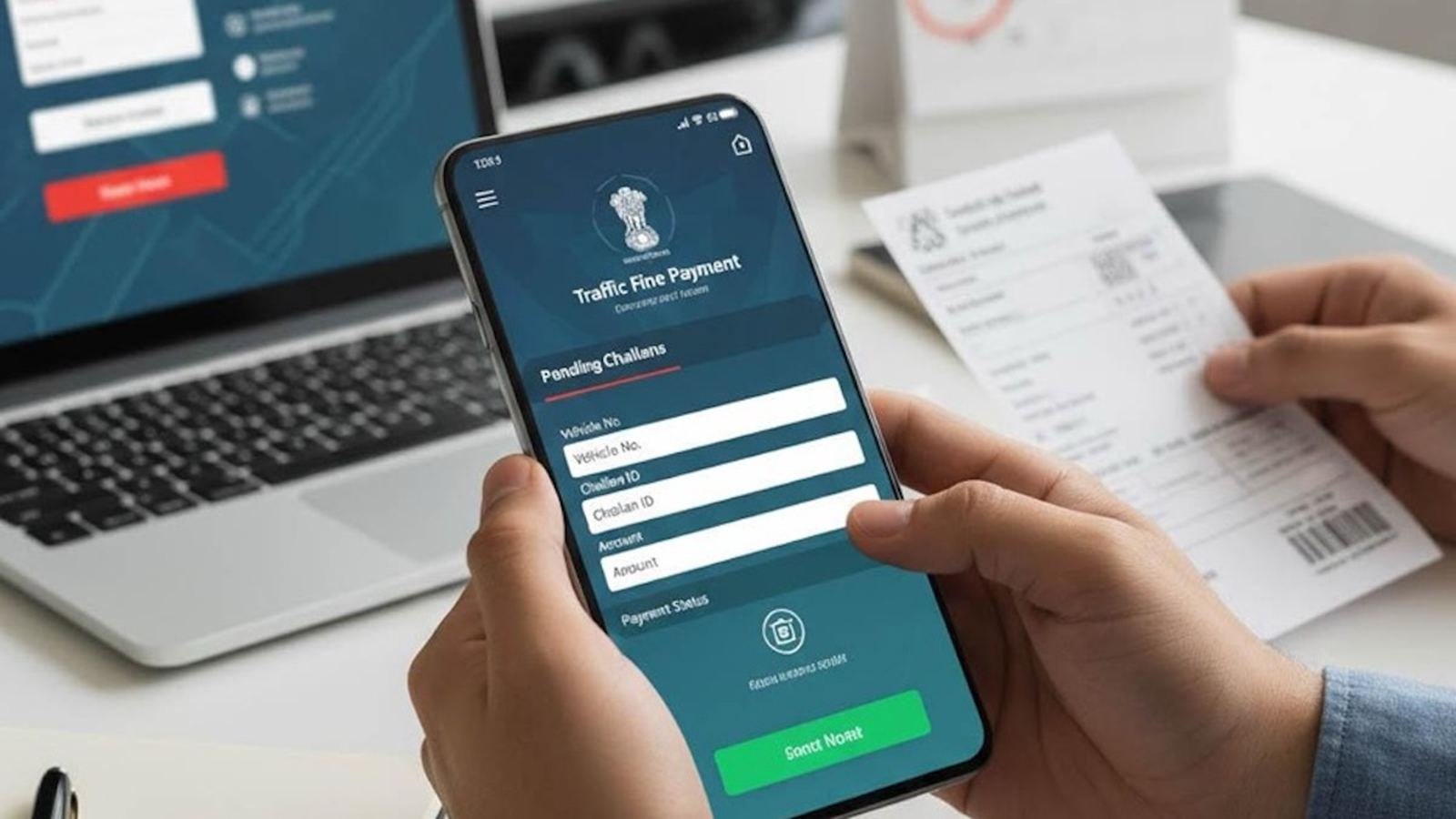
5 Common Mistakes People Make While Paying Their Traffic Challans Online
Paying traffic fines online should be simple and in most cases, it is. Yet, thousands of motorists still end up with duplicate payments, no receipts, or unresolved fines just due to small missteps during the process. The digitisation of challans has brought speed and transparency, but has also introduced some new areas where people go wrong.
From missing official URLs to mistakenly assuming payment has gone through without checking, even a slight lapse can result in unnecessary follow-ups or bigger complications later. If you have ever handled an e challan payment, here are the most common mistakes to watch out for to ensure that your record stays clean and transactions smooth.
1) Using Unverified Links or Non-Authorised Websites
The most common mistake happens before the payment has even begun, clicking on random links that promise to let you pay fines instantly. Fake or unauthorised websites mimic real government or partner platforms, collecting personal information or directing the money elsewhere.
The safest way is to use established and secure portals that are directly linked to RTO or police databases. Third-party platforms, for instance, automate the process by real-time retrieval of challan data and the payment through UPI or cards, and it is all done through a single dashboard.
Tip: Always ensure that the website is protected and showing the proper credentials. A few seconds of caution here can protect you against duplicate payments or data misuse.
2) Not Verifying Challan Details Before Payment
Many users go directly to payment as soon as they see a pending challan online. But sometimes the information, like vehicle registration, date, or type of violation, may not match. This can be the case when number plates are misread by cameras. Also, paying without verifying these details can make it more difficult to dispute later.
What to do instead:
– Check that the challan number, vehicle registration, and location of violation match your record.
– Review the timestamped photo or offence description, which is available on most portals.
– Make sure there is no discrepancy: if any, please contact the respective traffic authority before paying.
It is well worth taking one minute to cross-check the details to save hours of explaining later.
3) Ignoring Payment Receipts or Status Confirmation
Completing the transaction is only half the process, as verifying it is the real finish line. Sometimes, payments get stuck halfway due to a server timeout or sync delay between portals. If you do not download the receipt or check the status later, a challan may still show as unpaid even though the amount was deducted.
What to do:
– Always download or email your payment receipt upon completion of payment.
– Recheck challan status within 24–48 hours to ensure it’s marked “Paid.”
– Keep receipts safe, as they are proof in case of any future discrepancies.
A digital confirmation takes seconds but prevents long follow-ups with the RTO.
4) Waiting Until the Deadline to Pay
Delaying payment may not sound like a big deal, but it will make things complicated quickly. Unpaid challans in some states automatically get transferred to virtual traffic courts after 90 days, with additional steps or penalties. The longer you wait, the greater the chance of delays in your insurance renewal, RC transfer, or NOC issuance.
Why paying early helps:
– Avoids escalation or late charges.
– Keeps your vehicle record clean and up-to-date.
– Prevents technical errors that occur during high-traffic payment days.
Concisely, it is not only clever to clear your e challan payment in advance, but it also keeps your digital footprint clear and future paperwork hassle-free.
5) Overlooking Multiple Pending Challans
Another mistake that is common is to settle one fine and assume the record is clean. In fact, many vehicles have multiple challans listed, sometimes from different places or on different dates and people pay only the first one they see.
How to stay thorough:
– Always view the complete challan history before making payment.
– On verified portals, scroll through all active challans tied to your vehicle number.
– Clear them together to avoid fragmented records or repeated reminders.
This small step ensures that your record stays consistent across RTO, Insurance and police databases.
Summary
While online challan systems have made traffic fine management quick, precision still remains crucial. A couple of small errors, like paying on the wrong link, not confirming, and leaving out additional challans, can prevent your record from being updated properly.
Making your e challan payment the right way means staying alert, verifying details, and completing payments only through verified portals. No matter if you are looking to pay an Andhra Pradesh challan or for any other state, a few extra checks can make the difference between a clean record and an unnecessary delay.
Content Produced by Indian Clicks, LLC