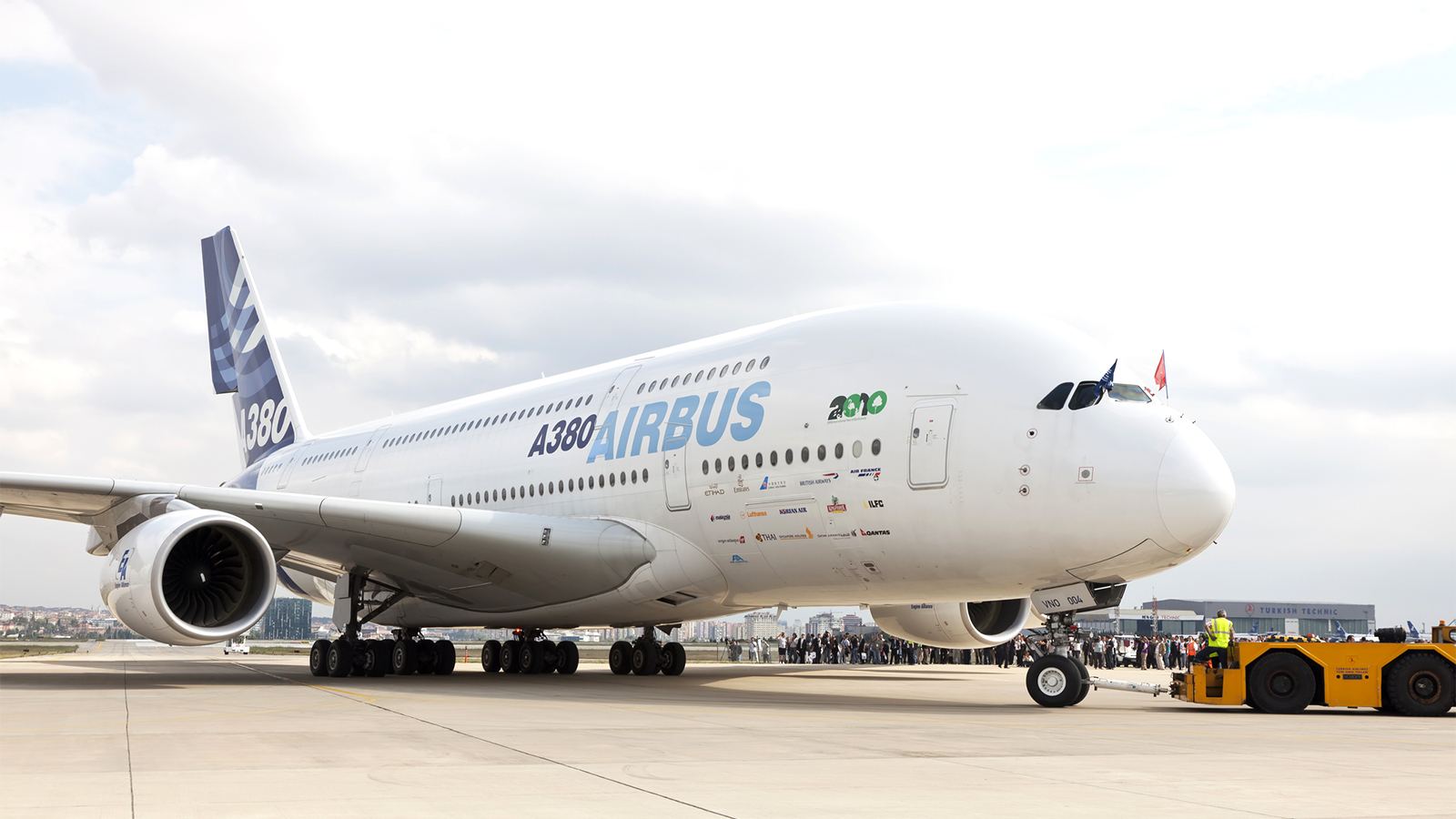
The Airbus A380, once hailed as the world’s largest passenger jet, is facing a steep decline in airline popularity. Rising operating costs, infrastructure challenges, and changing market demands have made the aircraft less viable for carriers worldwide.
High Operating Costs Limit Profitability
Operating the A380 costs between $26,000 and $29,000 per flight hour, far higher than modern twins like the Boeing 787 or Airbus A350. Fuel, crew, and maintenance expenses make the aircraft profitable only when nearly full, and small fleets increase financial strain.
Airport Infrastructure Challenges
Airports must adapt to the A380’s size with reinforced runways, special taxiways, and dual boarding bridges. Only a few international hubs can accommodate it, limiting route flexibility and reducing revenue potential for airlines seeking broader network options.
Market Trends Shift
Airbus initially predicted a hub-and-spoke travel model, but passenger demand favors direct, point-to-point flights on smaller widebodies. Modern aircraft now serve secondary destinations efficiently, making the A380 less appealing for flexible route planning.
Mechanical Issues and Maintenance
The A380 faces mechanical challenges, with systems like fuel pumps occasionally failing and grounding planes for extended periods. These disruptions affect hundreds of passengers at once, adding to the aircraft’s already high operational and maintenance costs.