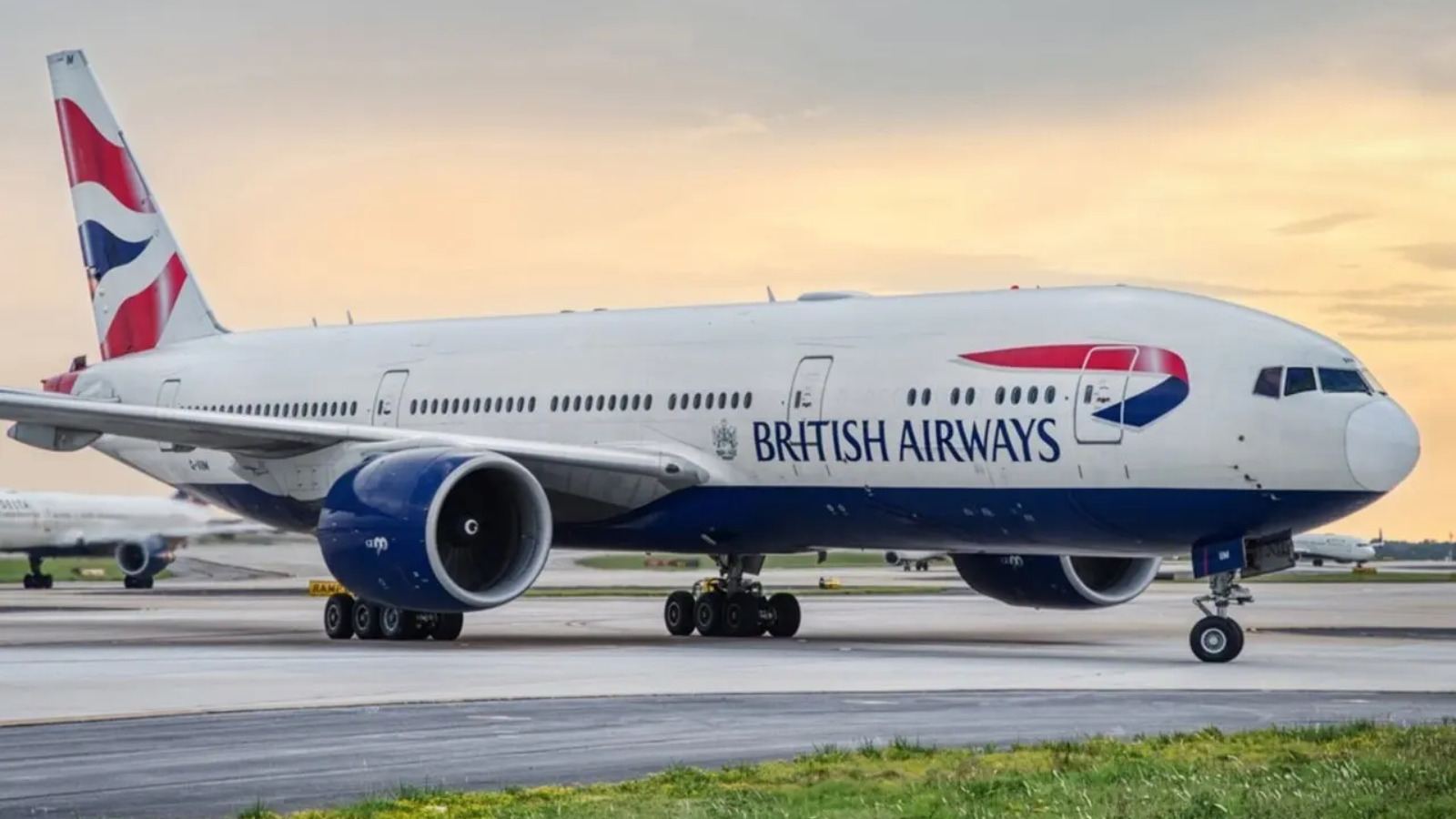
A British Airways A350 pilot recently clashed with air traffic control at Toronto Pearson International Airport, raising questions about communication discipline and professionalism. The exchange occurred during the aircraft’s final approach and was later reviewed by aviation experts.
Confusion during final approach
The aircraft, operating as Speedbird 9ZY heavy, was cleared for an ILS approach to runway 6R before switching to the tower frequency. After the handover, the pilot made several attempts to confirm approach clearance, but the controller replied only with brief instructions like “Continue,” without mentioning the callsign.
Unusual response from the controller
The vague communication led the pilot to ask again for confirmation. Instead of responding clearly, the controller told the pilot to return to the arrival frequency an unusual instruction for an aircraft already on final approach. Analysts called this response operationally questionable.
Experts call it a communication lapse
Aviation analysts and former controllers described the exchange as a breakdown in communication discipline. They said the controller’s tone was dismissive, while the pilot’s persistence was appropriate for safety. Miscommunication at such a stage, they warned, can create unnecessary operational risk.
Renewed focus on radio discipline
The incident has sparked fresh discussion on radio etiquette and Crew Resource Management (CRM) training for both pilots and controllers. Industry observers noted that similar communication disputes between British Airways crews and North American ATC have occurred before, including at San Francisco International Airport.
Investigation and industry lessons
Canadian aviation authorities are now reviewing the Toronto incident. Experts say it highlights how unclear communication, even in routine operations, can lead to confusion and potential safety issues in busy airspace.