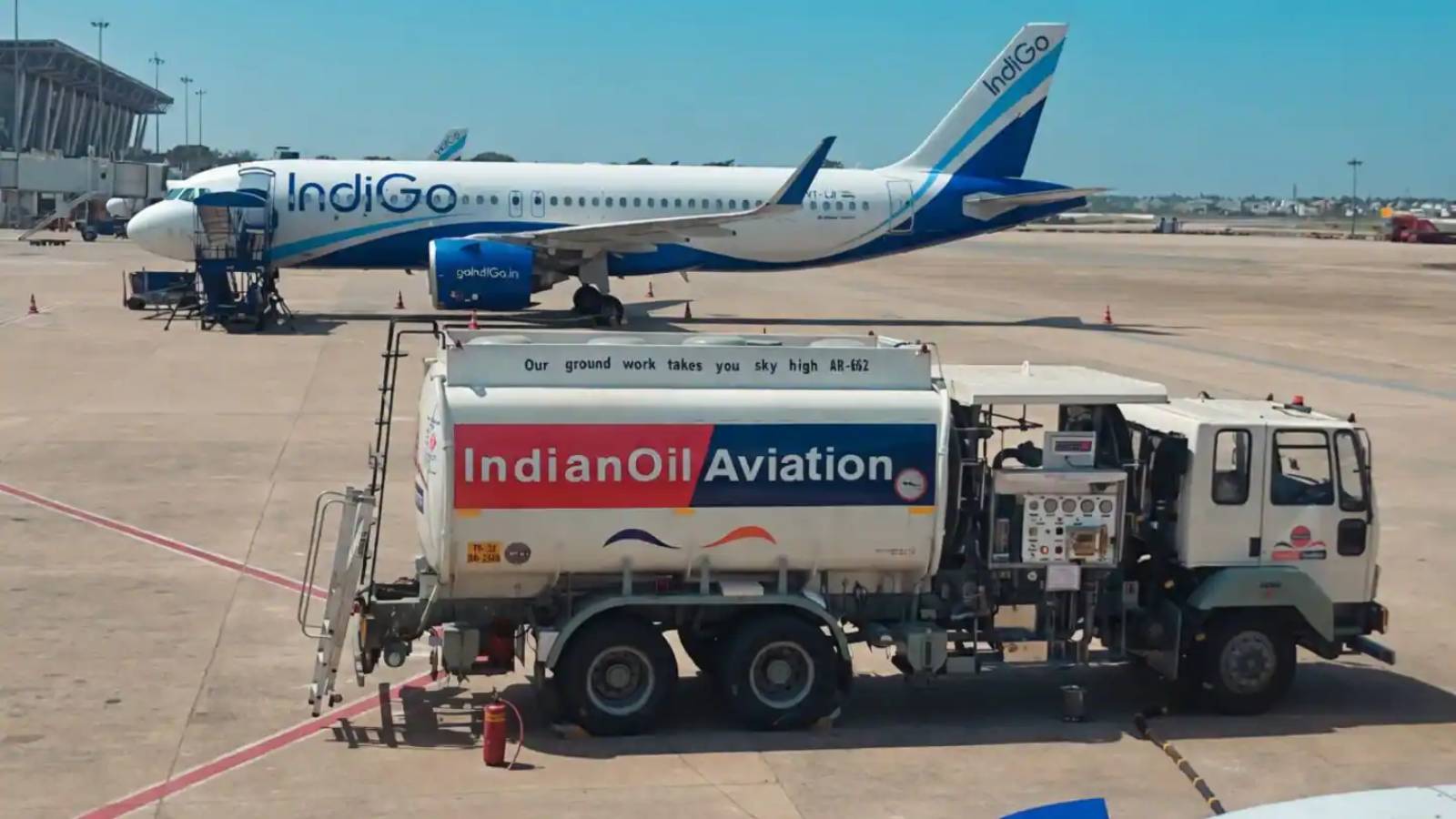
Jet fuel prices in India have increased by around 8.5% in April. This rise offers partial relief to scheduled airlines while helping prevent a sharp increase in airfares for passengers.
Aviation turbine fuel in Delhi now costs Rs.1,04,927 per kilolitre, up from Rs.96,638.14 last month. Similar price increases have been reported across major aviation hubs.
Despite the hike, the impact on commercial flyers remains limited. Airlines have so far avoided passing on the full cost burden, keeping ticket prices relatively stable.
For carriers like IndiGo and the Air India group, fuel already accounts for 40 to 45% of operating costs. This increase adds pressure in an already cost sensitive environment.
A steeper rise could have significantly affected profitability. The sector is already dealing with high operational expenses and currency depreciation challenges.
However, the situation is very different for non scheduled and charter operators. Their fuel costs have surged sharply, creating a major financial strain.
ATF prices for these segments have increased by over 100%. In Delhi, domestic fuel costs have crossed Rs. 2 lakh per kilolitre for the first time.
International charter fuel prices have also crossed the $1,000 mark. This has further increased operational pressure on specialised aviation services.
Airlines had earlier introduced fuel surcharges ranging from Rs.150 to $200. This followed rising costs and the removal of domestic fare caps.
While the current price hike appears manageable for passengers, cost pressures remain high. Without relief on fuel taxes, India’s aviation sector may continue to operate on fragile margins.