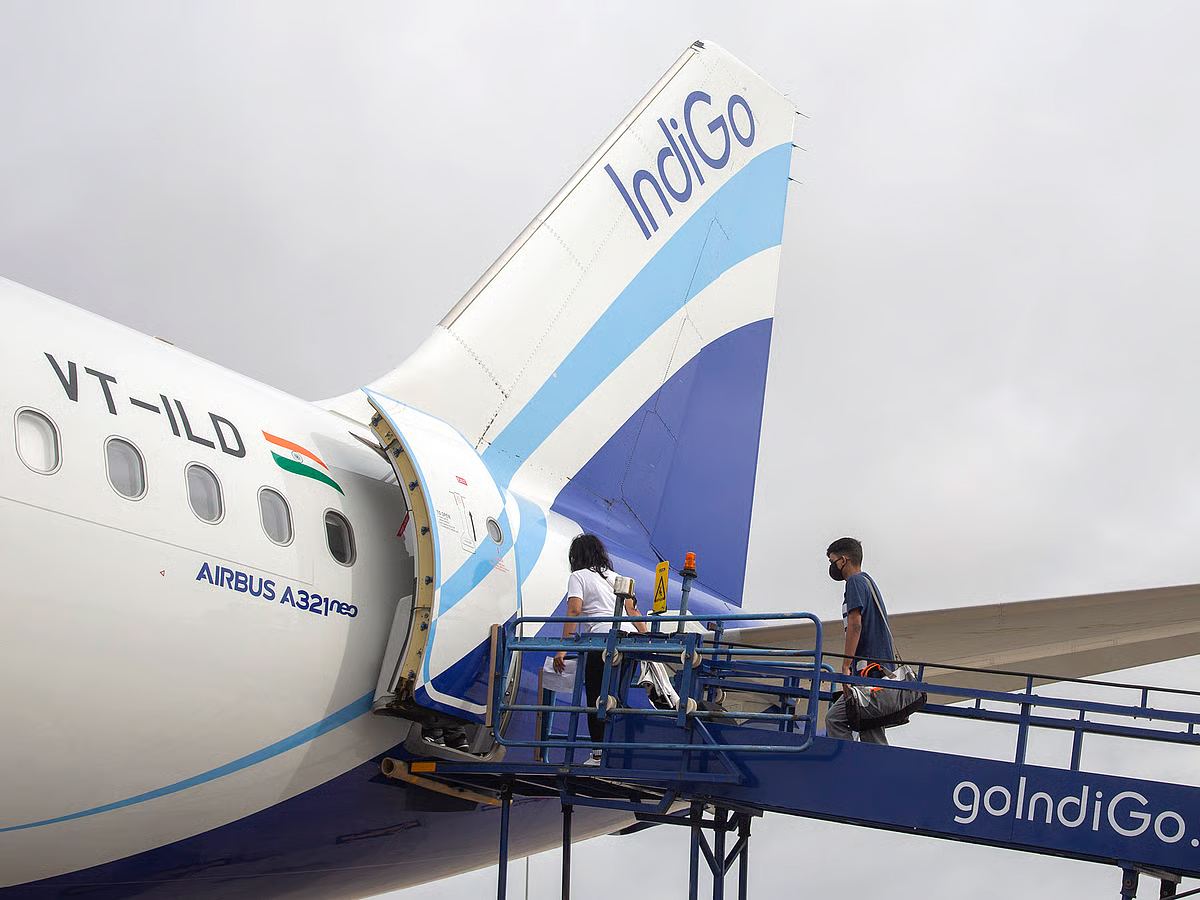
A passenger recently shared a frustrating experience with IndiGo Airlines and Flipkart Travel over a cancelled connecting flight.
The traveller had booked a single PNR journey from Pune to Pantnagar via Delhi, with a total fare of around ₹10,000. The segment from Pune to Delhi cost ₹5,800, and the Delhi to Pantnagar leg was ₹4,200.
On the day of travel, the Delhi to Pantnagar flight was cancelled due to weather conditions. Understandably, the passenger expected a partial refund of ₹4,200 for the cancelled leg. However, the situation turned complicated.
When the passenger contacted IndiGo for a refund, the airline redirected them to Flipkart Travel, stating that since the booking was made through a travel partner, the refund would be processed by them.
Flipkart Travel, in turn, refused a full refund, citing a cancellation fee. Even though the flight was cancelled by the airline itself.
To make matters worse, the airline’s cancellation policy did not clearly state how such situations are handled, and the passenger was left without any formal explanation or proper recourse. Ultimately, they had to travel from Delhi to Pantnagar by bus, despite having booked a full air journey.
This case highlights a recurring problem with third-party bookings and airline accountability. When flights are cancelled due to reasons like weather, passengers are often caught between airlines and booking platforms, each denying full responsibility.
In such scenarios, passengers not only lose money but are also forced into alternative travel plans without support or transparency. This lack of coordination and clarity leaves many travellers disappointed and financially burdened.