

People travel across oceans in search of new opportunities. Yet, somewhere between getting that visa stamp and making their first grocery run, many find themselves reconstructing a version of the life they left behind. The accent shifts, the weather turns chilly, the degree is from an American institution—but the social circle feels oddly familiar.
The real challenge isn’t just homesickness or culture shock. It’s this ingrained desire for sameness, for a sense of safety in familiarity. It’s not only about emotional comfort but also about cultural security. There’s a strong urge to be around people who won’t judge, who speak the same language, who truly understand. This makes perfect sense—until it morphs into a pattern of exclusion, even among the diaspora.
Even before they set foot on campus, students begin to separate themselves. WhatsApp groups intended for general connection quietly fracture into smaller groups based on language or region. Roommate searches turn into coded requests for “someone like me.” Tamil-only. Telugu preferred. North Indian is fine, but no beef. What starts as a preference quickly evolves into a filter.
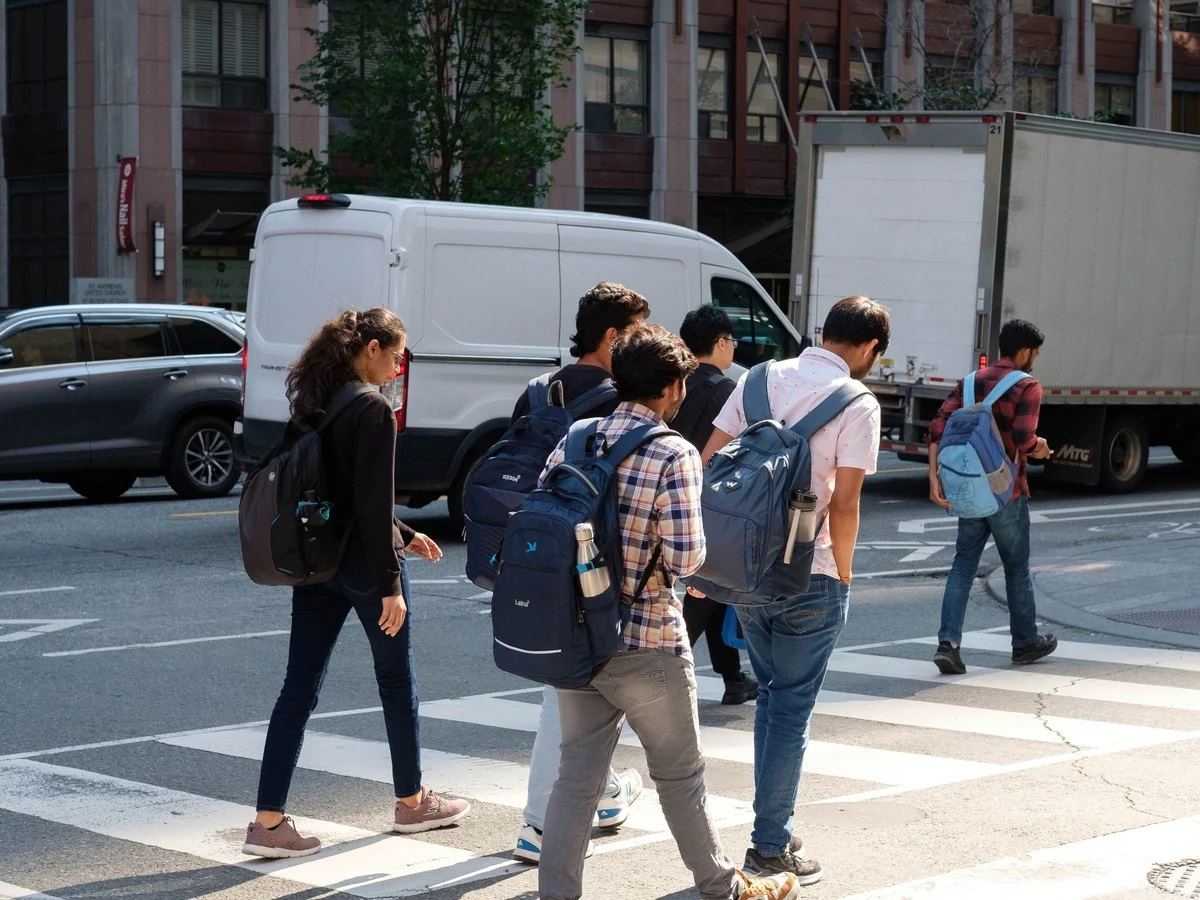
This instinct to seek familiarity is completely understandable, especially in a foreign land. But it can also be restrictive. It’s often the reason many Indian students abroad not only shy away from American peers but also from fellow Indian students. They avoid people from different states, religions, or even those with different accents. Instead of fostering unity abroad, there’s a quiet division.
The biggest irony — these are often the same individuals who post captions like “breaking boundaries” or “global dreams” on Instagram. But in their everyday lives? It remains very local. Homemade meals only. Indian festivals only. Indian roommates only. It’s like living in a parallel universe within the U.S.—Indian in every way except for the zip code.
And yes, food is important. Culture is important. No one is suggesting to abandon it all. But when the same daal-sabzi routine becomes a symbol of a broader reluctance to explore anything beyond the familiar, it turns into a problem. Especially when there are international potlucks, cultural events, and diverse classrooms just a hallway away.
And Four years spent overseas, yet not a single genuine connection with anyone outside of one’s familiar circle. It’s not due to racism or exclusion, but rather a choice of self-isolation. There’s no real integration, no gradual blending—just a complete re-creation of one’s hometown, sometimes even mirroring the caste system.
Caste doesn’t just vanish; it travels quietly in surnames, in those awkward introductions, in casual questions like, “Which community do you belong to?” The same social barriers that hindered growth back home are packed right into the suitcase. A new place, but the same old rules.
What does this say about the notion of going abroad for personal growth? If the goal is to live, eat, socialize, and even marry someone from the same background, why bother traveling halfway around the globe? The answer often isn’t about education. Sometimes, it’s more about appearances, about status, about finding comfort in the familiar.
True transformation doesn’t happen just by landing at JFK or LAX. It’s about letting go of the instinct to build walls, especially among those who share your background. It’s found in those uncomfortable, awkward, messy moments with people who don’t look or sound like home—but eventually become part of it.
What’s the point of leaving home if you’re just bringing the walls along?