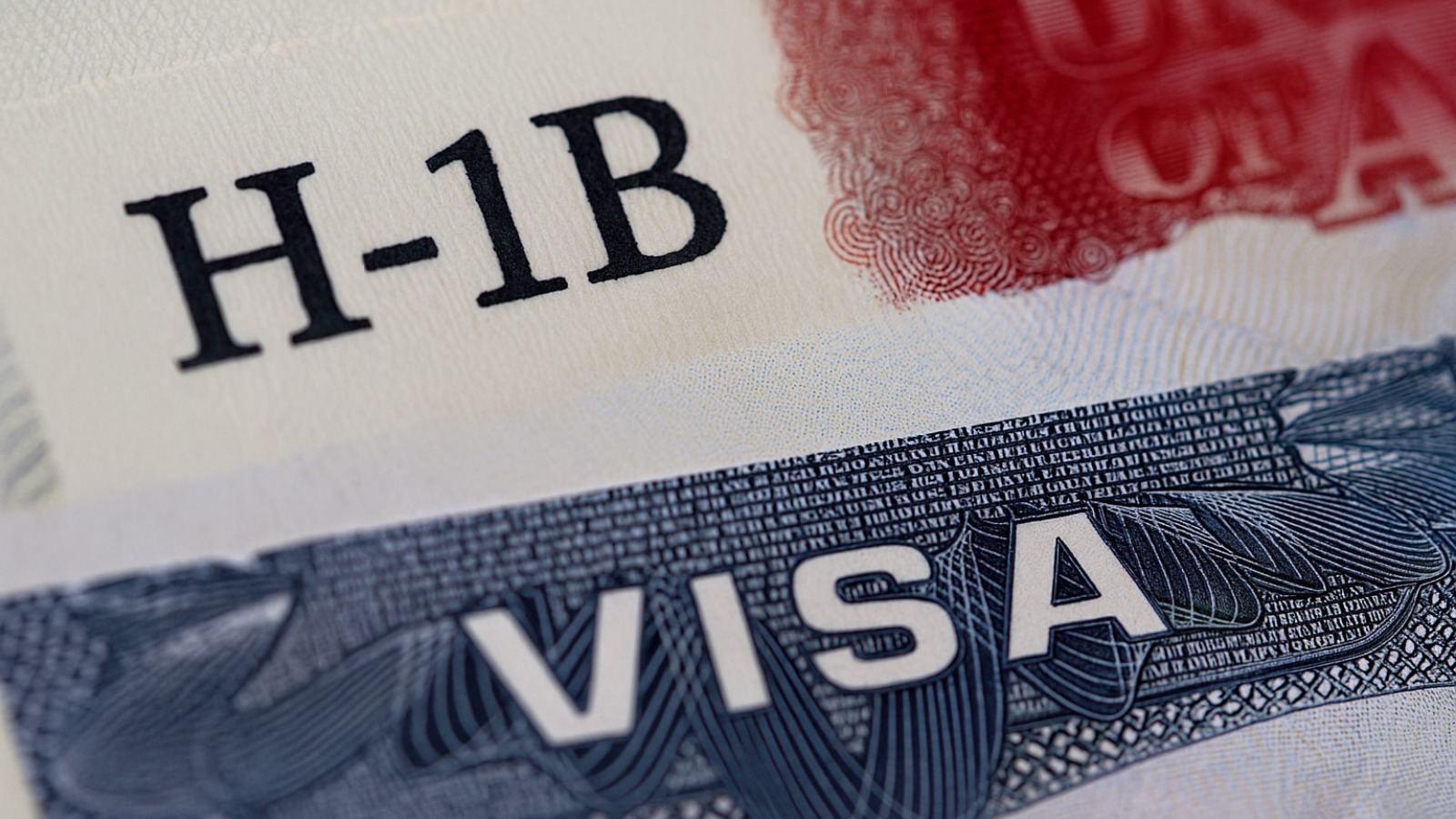
Amid the heated H-1B debate in the United States, Indians have emerged as a primary target of online hate and trolling. The discourse has intensified on social media platforms, where immigration issues are increasingly framed through racial and national stereotypes.
A report by The New York Times revealed that anti-India slurs crossed nearly 280 million views within two months last summer. Phrases such as “deport Indians” gained massive traction online, with many posts driven by political narratives rather than verified data.
Data from advocacy group Stop AAPI Hate showed a worrying rise in hostility. Between January 2023 and December 2025, anti-Indian slurs linked to targeted violence reportedly increased by 115 percent, highlighting a sharp escalation in hate-driven discourse.
The issue gained further attention after a public forum in Frisco, Texas, where a large Indian population resides on H-1B visas. While some speakers raised concerns about jobs and wages, Indian families spoke about fear and growing hostility in their neighbourhoods.
Clips from the Frisco city council meeting went viral, triggering outrage among some American users over what they called an “Indian Takeover.” US President Donald Trump’s strong views on immigration have also added fuel to the already polarised debate.
Indians accounted for nearly 71 percent of H-1B approvals in 2024, dominating the tech workforce. This visibility has made the community an easy target, especially during a difficult job market for American tech professionals.
Despite following legal immigration routes, paying taxes, and contributing to the economy, many Indians now face rising hostility. While H-1B fraud must be addressed, targeting an entire community that has filled skill gaps for decades reflects an extreme response to economic anxiety.