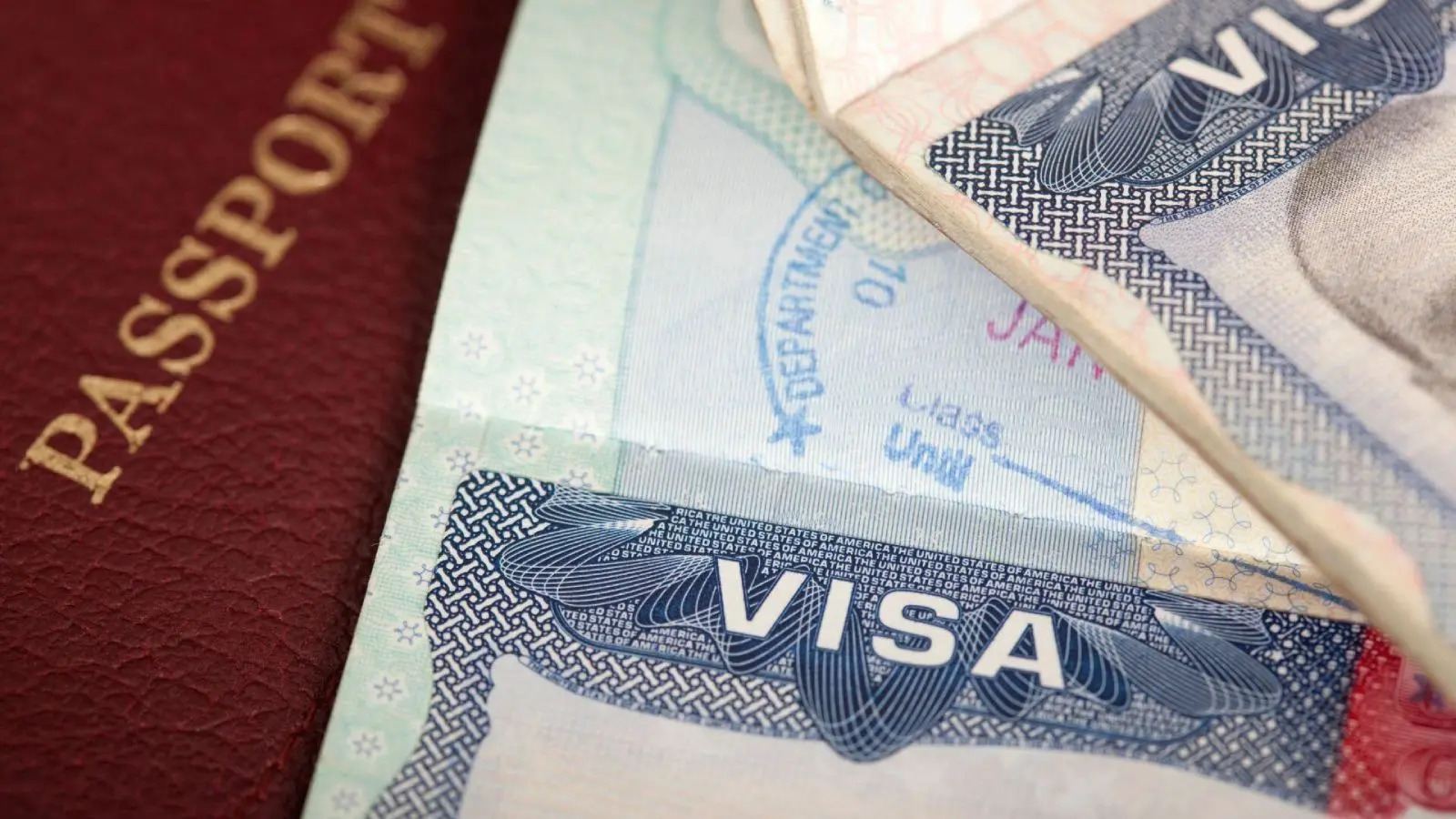
A growing shortage of H1b visa slots in India is creating serious problems for many applicants. Some families are now considering alternative visa routes to reunite in the United States. In one case, the spouse of an H-1B worker is exploring an F-1 visa option to pursue a PhD program.
The spouse had earlier applied for an H-4 visa to join their partner in the United States. However, the lack of available visa appointment slots has left the applicant stuck in India for a long period.
Immigration experts say that shifting to an F-1 student visa may not be easy in such circumstances. The F-1 visa requires applicants to clearly prove non immigrant intent during the visa interview.
This requirement may create complications because the applicant’s partner already holds an H-1B visa, which allows dual intent. Consular officers may suspect that the applicant ultimately plans to settle permanently in the United States.
The F-1 visa process is closely reviewed by US authorities. Applicants must show strong ties to their home country, including family, financial commitments, or career prospects that indicate they will return after completing their studies.
In this case, the earlier attempt to obtain an H-4 visa could weaken the applicant’s argument of temporary intent. Immigration experts say this previous application may influence how officers assess the new student visa request.
One possible way to improve the chances is securing admission to a highly reputed university. A strong academic program can help demonstrate that the primary purpose of travel is education rather than immigration.
The shortage of visa appointment slots in India is affecting many H-1B families. As delays continue, some applicants are exploring alternative visa options despite the uncertainties involved.
Unless additional visa slots become available, the situation may persist for a long time. Many workers may remain separated from their families while waiting for the visa appointment system to improve.