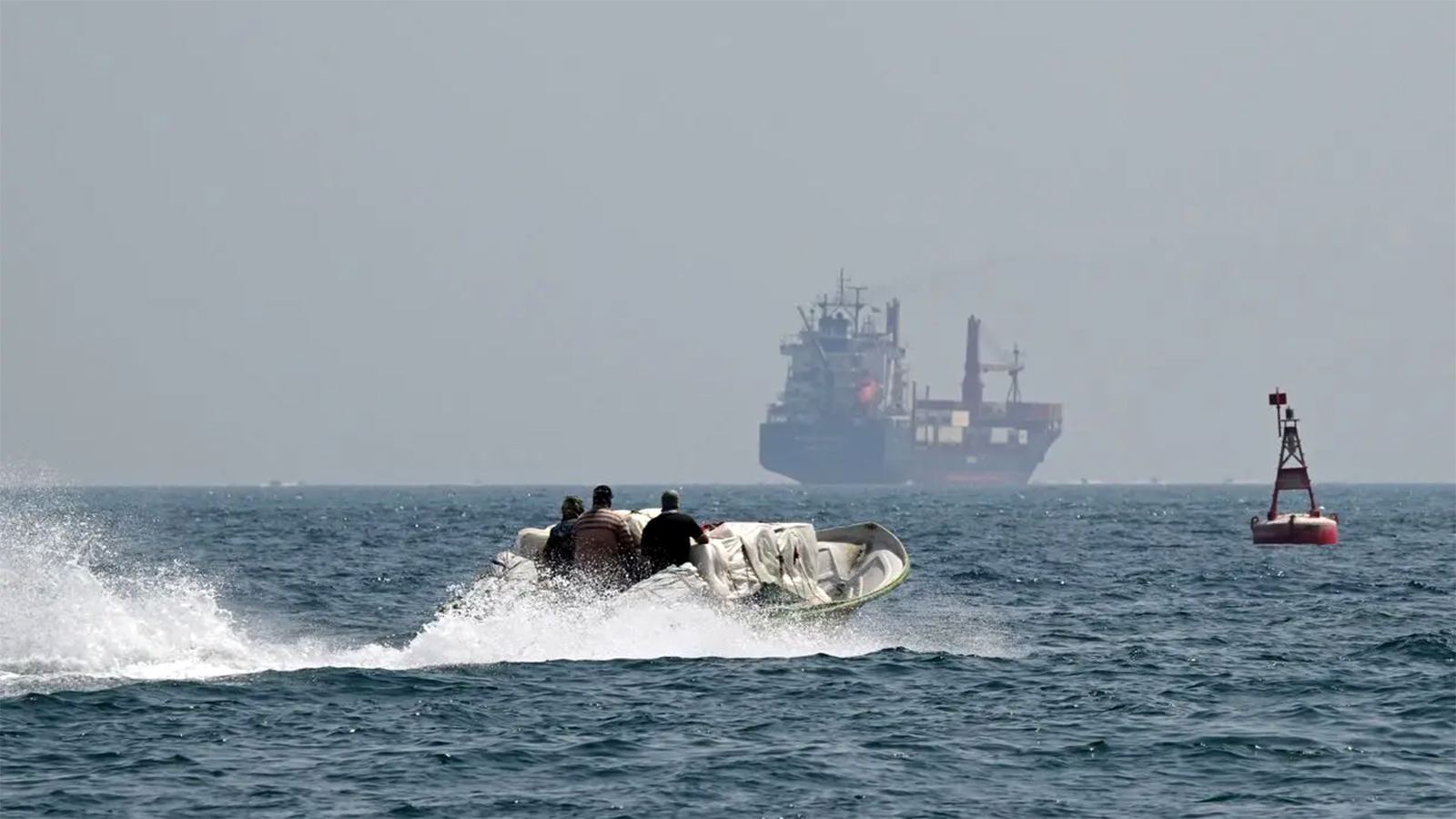
US sources have reported that Iran is placing naval mines in the Strait of Hormuz, raising serious global concerns. A report by CNN claims that dozens of mines have already been deployed in the strategic waterway, with many more possibly being added soon.
The development threatens the global energy supply chain. Nearly 20 percent of the world’s oil passes through the Strait of Hormuz. The route is also vital for the transport of Liquid Natural Gas (LNG) and fertilisers to international markets.
Because of the reported mining activity, commercial ships may begin avoiding the area. Shipping companies are closely monitoring the situation. Any disruption in the narrow waterway could create delays and increase global fuel and transportation costs.
Earlier, US President Donald Trump warned Iran of severe consequences. The statement came after the US and Israel carried out joint airstrikes targeting locations inside Iran, further increasing tensions in the region.
Reports suggest that the mining of the Strait of Hormuz is a direct response to these threats. The strategic waterway has long been a sensitive point in global geopolitics due to its importance for international energy trade.
Videos circulating online reportedly show US forces striking Iranian naval vessels near the strait. The strikes were said to have taken place on 10 March, 2026. According to US claims, at least 16 Iranian minelayers were destroyed during the operation.
The escalation has drawn criticism from several observers and analysts. Some believe the conflict is worsening because of aggressive military responses. Critics argue that President Trump should prioritise diplomatic dialogue instead of further retaliation.
Users on the social media platform X have also raised concerns about the handling of the crisis. Several experts warn that a prolonged conflict could severely affect global markets and push many countries towards economic instability.
With civilian casualties reportedly rising, international voices are calling for immediate de-escalation. Many fear that continued confrontation could trigger wider regional instability and create severe humanitarian and economic consequences worldwide.