A professional worker recently faced a serious setback after their L-1A visa was refused. You applied for the visa to transfer to the US within the same company, but the interview did not go as expected.
Interview Issues Raised Red Flags
You faced problems during the interview as the officer appeared unfamiliar with corporate transfer rules. Your limited English also created a communication gap, making it harder to explain your role and responsibilities clearly.
Confusing Questions and 221(g) Status
You were asked unclear and incomplete questions, which left you unsettled. After the interview, your case was placed under 221(g) administrative processing, which usually means further internal review.
CEAC Status Suddenly Changed
After a few days with no updates, you checked the Consular Electronic Application Center website. The status had changed to Denied under section 214(b), ending your L-1A application.
B-1/B-2 Visa Also Revoked
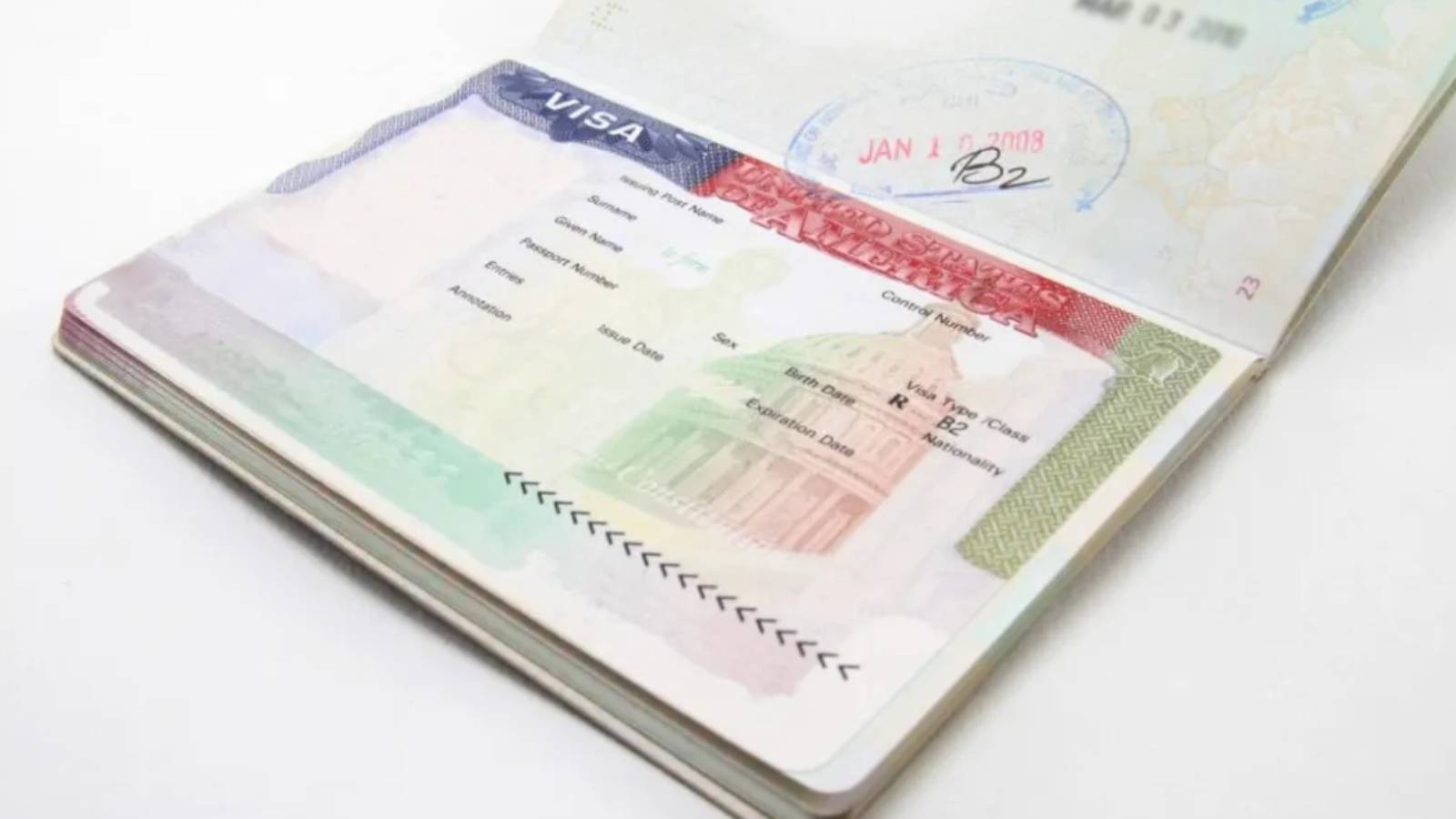
You already held a valid B-1/B-2 visa, but it was revoked at the same time. This added to the confusion, as you were not expecting an existing visa to be cancelled.
USCIS Approval Did Not Help
Your case became more frustrating because USCIS had already approved your L-1A petition. Even so, consulates have the final authority and can still refuse a visa.
Why Experts Say Revocation Is Normal
Experts explain that the B-1/B-2 revocation is standard in such cases. When you apply for a work visa, you show intent to work, which directly violates the purpose of a visitor visa.
Career Impact Will Be Heavy
You must now wait at least one year before applying again. This denial and revocation will slow your career plans and force you to rethink your international transfer strategy.