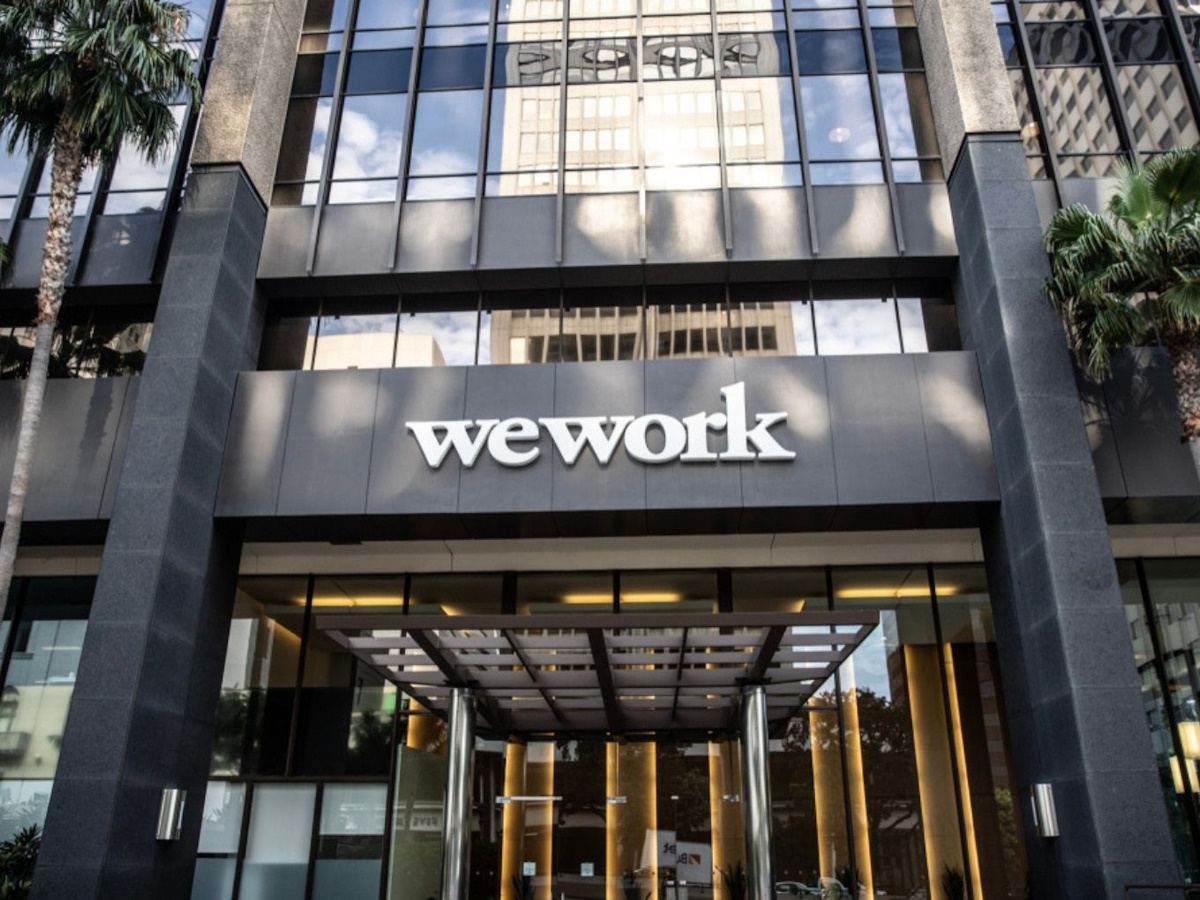
Tuesday morning saw one of the most valuable startups in the US, ‘WeWork’ filing for bankruptcy. This move proves to be a blow for many, especially the landlords who have rented their spaces to the once acclaimed co-working group.
WeWork is a real estate company that offers start-ups and individuals sleek quarters to pursue their entrepreneurial dreams through its business model of office sharing. The company had caught everyone’s attention for offering beer in water taps and the relaxed decor of their offices, with the company valued at a staggering 47 Billion dollars back in 2019. It was then that WeWork tried raising more funds which backfired on them and the company has been unable to find able footing ever since due to covid introducing work from home culture and many more underlying reasons.
The company is currently loss making and has billions of dollars of liabilities. WeWork has seen a sharp 98 percent fall in their share prices since the start of the year and as of Friday, the company was valued at even less than $50million. They clarified that creditors holding 92 percent of its secured debt had agreed on a restructuring plan that would include reducing its portfolio of office leases and that filing for bankruptcy will “further rationalise its commercial office lease portfolio while focusing on business continuity”.
This decision will only be affecting the company’s operations in the USA and Canada and not all of its 660 locations spread over 37 countries. The company was renting over 20 million sq feet of office space in June, highest among all the companies in the United States. This will prove to be a significant backlash for landlords who have partnered with the firm as many of them had already been agreeing to lower rents since a long time and have been struggling to pay off their debts.
WeWork was founded in 2010 by Adam Neumann and Miguel McKelvey, and opened its first location in Lower Manhattan in 2011. It focused on leasing, rather than buying, office space and parceling it out to customers that included freelancers, small businesses and larger corporations. Neumann, being blunt with his words called this filing to be “disappointing” and probably thought that had he still been there, things might’ve turned out different for them.