The Central government is reportedly considering expanding powers under the Information Technology Act, 2000. This move may allow more ministries to directly order the blocking of online content. The proposal reflects growing concerns over digital content control.
At present, powers under Section 69A are mostly with the IT Ministry. The proposed change could extend authority to ministries like Home Affairs, Defence, External Affairs, and Information and Broadcasting. This would widen the scope of decision making.
The idea comes from the rising volume of harmful and misleading content online. Artificial intelligence generated content has added to this challenge. Faster decisions across ministries may help tackle threats linked to national security and misinformation.
Decentralising the process could reduce delays in taking action. Authorities may respond quicker to dangerous content on platforms like Instagram, Facebook, and YouTube. This may improve control over sensitive digital narratives.
However, the move has raised serious concerns about possible overreach. India has already seen a rise in content takedowns in recent years. Expanding these powers may increase pressure on platforms to comply quickly.
There is also concern about how broadly these powers may be used. Content that is critical, satirical, or unpopular could face removal. Different ministries may apply different standards, creating confusion and risk.
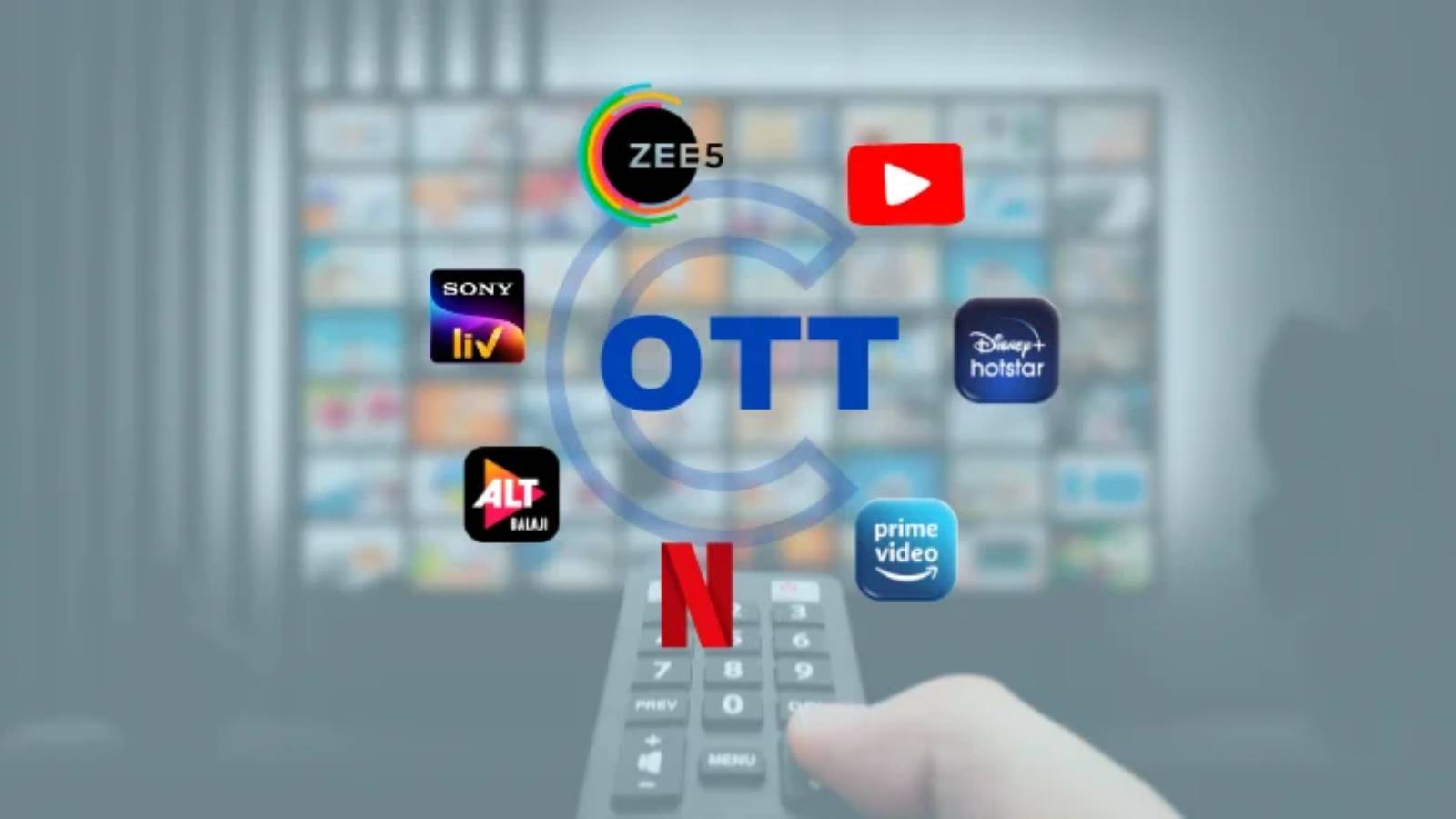
For creators in the entertainment industry, this brings uncertainty. There is fear that films, shows, or digital content could face delays or blocks. Content may need to align with certain expectations to avoid issues.
In extreme cases, this system may lead to indirect pressure on creators. Content approvals and streaming releases could become vulnerable to influence. Creators may choose compliance over creative freedom.
While the aim is to strengthen digital regulation, the balance remains delicate. The line between control and creative freedom is still fragile and needs careful handling.