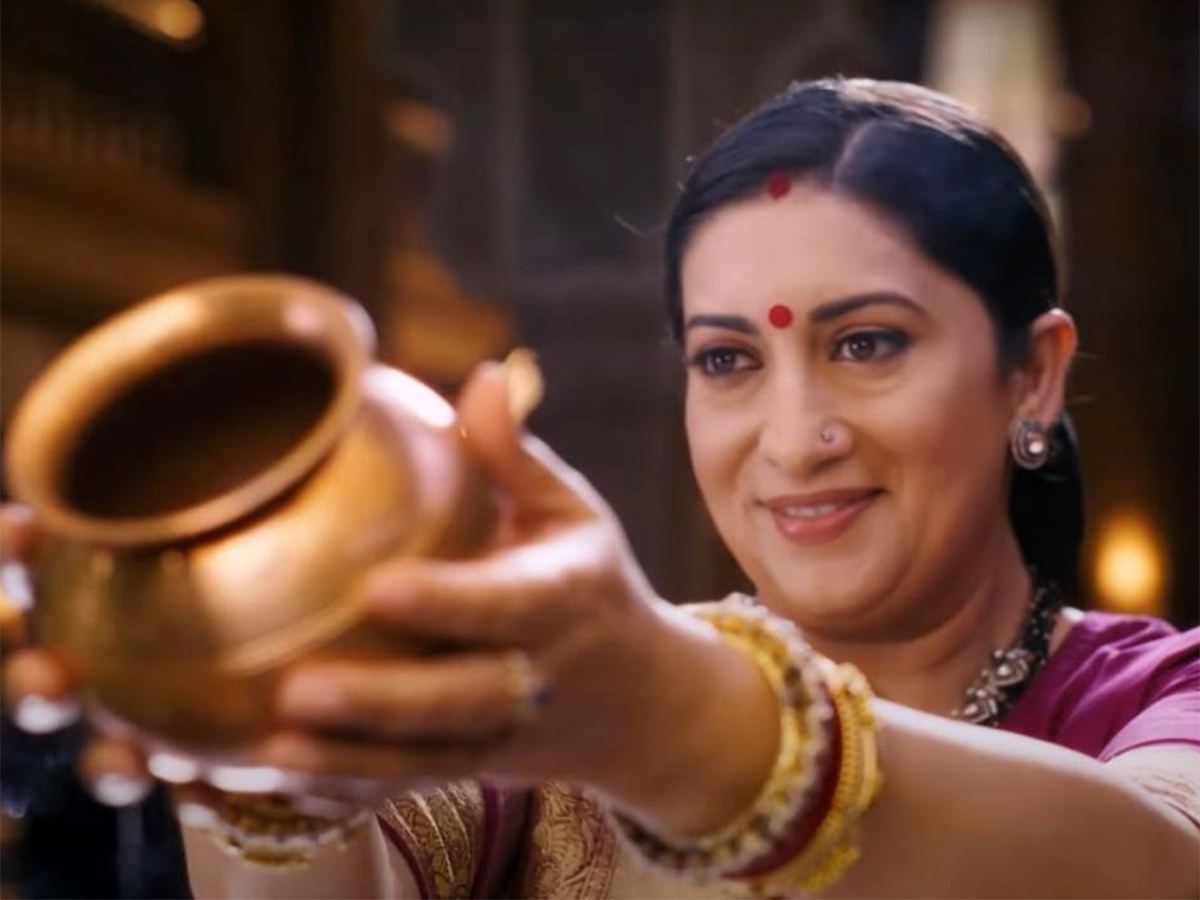
Ekta Kapoor’s television serials have left a deep imprint on Indian popular culture, particularly through their dominance of prime-time slots in the early 2000s.
Shows like Kyunki Saas Bhi Kabhi Bahu Thi, Kahaani Ghar Ghar Ki, and Kkavyanjali became cultural touchstones, watched religiously by millions.
Their melodramatic narratives, filled with implausible twists—such as characters undergoing plastic surgery, returning from the dead, or losing and regaining their memories—set a new tone for Indian family dramas.
While these shows were positioned as upholders of Indian values and ‘sanskars,’ they often showcased internal family betrayals, manipulation, and endless disputes over property.
This contradiction became a defining feature: preaching morality while glorifying chaos.
Despite the lack of realism, these serials resonated with a wide audience, especially homemakers, and influenced everyday discourse within families.
Characters became household names, and their dramatic arcs shaped viewers’ perceptions of family dynamics and social roles.
Critically, these shows contributed to a formulaic trend in Indian television, where emotional excess and exaggerated storytelling replaced nuanced narratives.
This created a creative stagnation, with innovation often sacrificed for tried-and-tested tropes.
Yet, their popularity cannot be denied—they offered emotional escapism and reflected the aspirations, anxieties, and contradictions of a transitioning society.
Today, looking back at these serials evokes a blend of nostalgia and critique.
They were more than entertainment—they were cultural artifacts that shaped a generation’s understanding of drama, morality, and family life, for better or worse.