In a country where cinema is often a powerful mirror to society, it is curious how some films can generate widespread discussion while others slip into near silence, even before their release.
Movies are not just about entertainment—they are about uncomfortable truths, reimagining history, and stirring public consciousness.
Yet the reactions they evoke, or fail to evoke, reveal a great deal about national priorities and the invisible boundaries set by popular discourse.
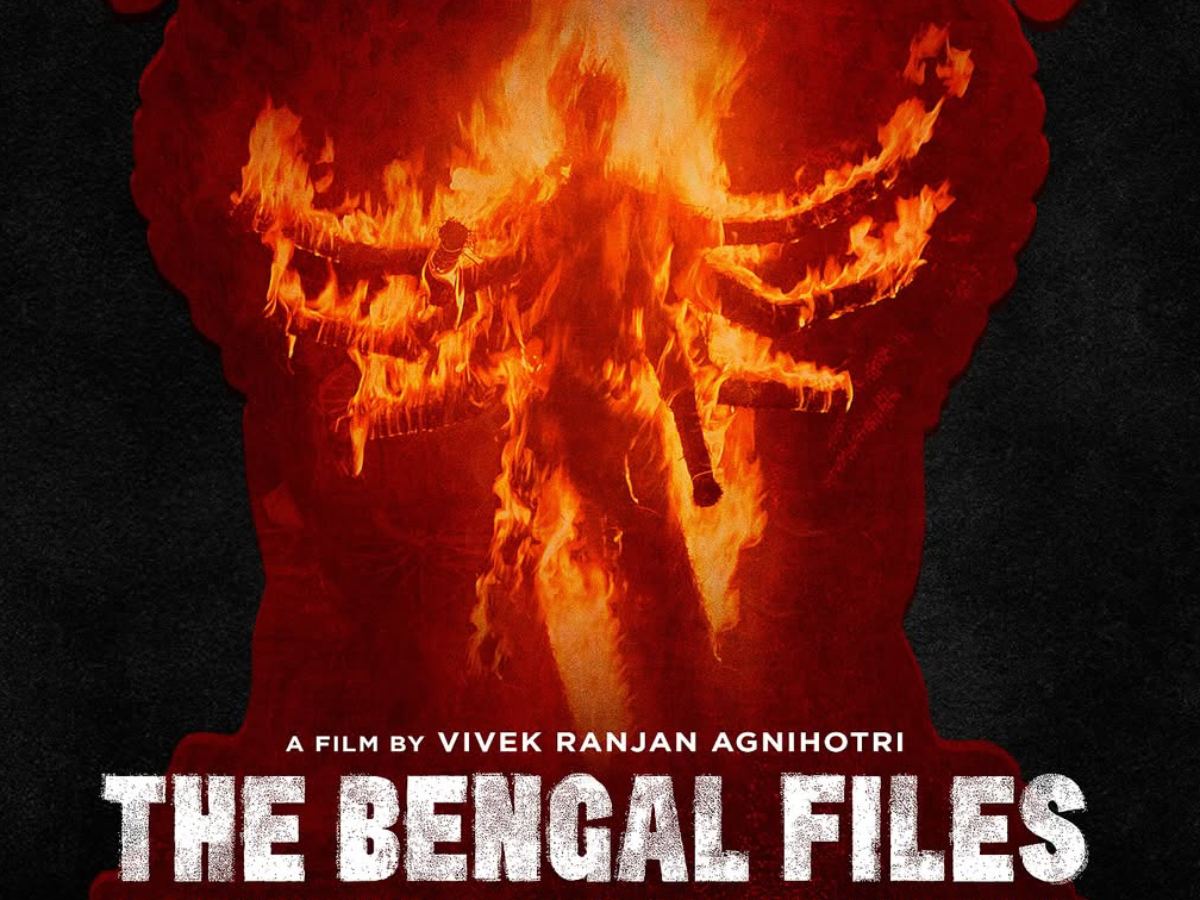
Take, for example, the case of “The Bengal Files,” set for a worldwide release on 5 September 2025 and directed by Vivek Agnihotri.
The film attempts to bring to the fore the dark and painful chapter of Bengal’s 1940s communal violence, especially Direct Action Day.
Early reactions from special screenings abroad have been emotionally charged, with viewers describing the experience as “mind-boggling,” “game-changing,” and “soul-stirring.”
These strong audience responses suggest that the movie carries not only cinematic weight, but also the potential to trigger new social conversations.
Despite this, mainstream Indian media, YouTubers, and social media influencers are, by and large, ignoring the film.
The criticism is not only about potential political or ideological bias, but also about a larger reluctance to engage with traumatic or challenging aspects of history—especially when they involve sensitive issues of identity and communal violence.
As is pointed out by voices like Pratik Borade, more energy seems to be spent discussing easily marketable, emotional viral clips, while a project seen as controversial is conveniently sidelined.
Whether or not one agrees with the perspectives presented in “The Bengal Files,” the silence around it raises questions about intellectual openness and the selective nature of public discourse.
In a truly free and inquisitive society, even provocative or “propaganda” films should not be met with avoidance, but with critical engagement and dialogue.