The experience of watching movies in theatres has changed a lot over the years. In the past, audiences were far more tolerant of technical issues inside cinema halls. Many theatres used simple white cloth screens, and film prints were often slightly blurry, sometimes even showing scratches or lines. Basic comforts were not always guaranteed either. Seats could be broken, fans might not work properly, and insects occasionally disturbed viewers. Despite these problems, people still filled theatres because the excitement of watching a film on the big screen mattered more than the conditions.
Over time, technology slowly began improving the theatre experience. The shift to 35mm and later 70mm film formats improved picture clarity. Air-conditioned theatres started becoming common, making movie watching more comfortable. The introduction of digital sound systems like DTS brought a major upgrade in audio quality. Later, multiplex theatres changed the industry by offering better seating, cleaner environments, and improved sound and projection systems. As audiences experienced these improvements, their expectations from theatres also increased.
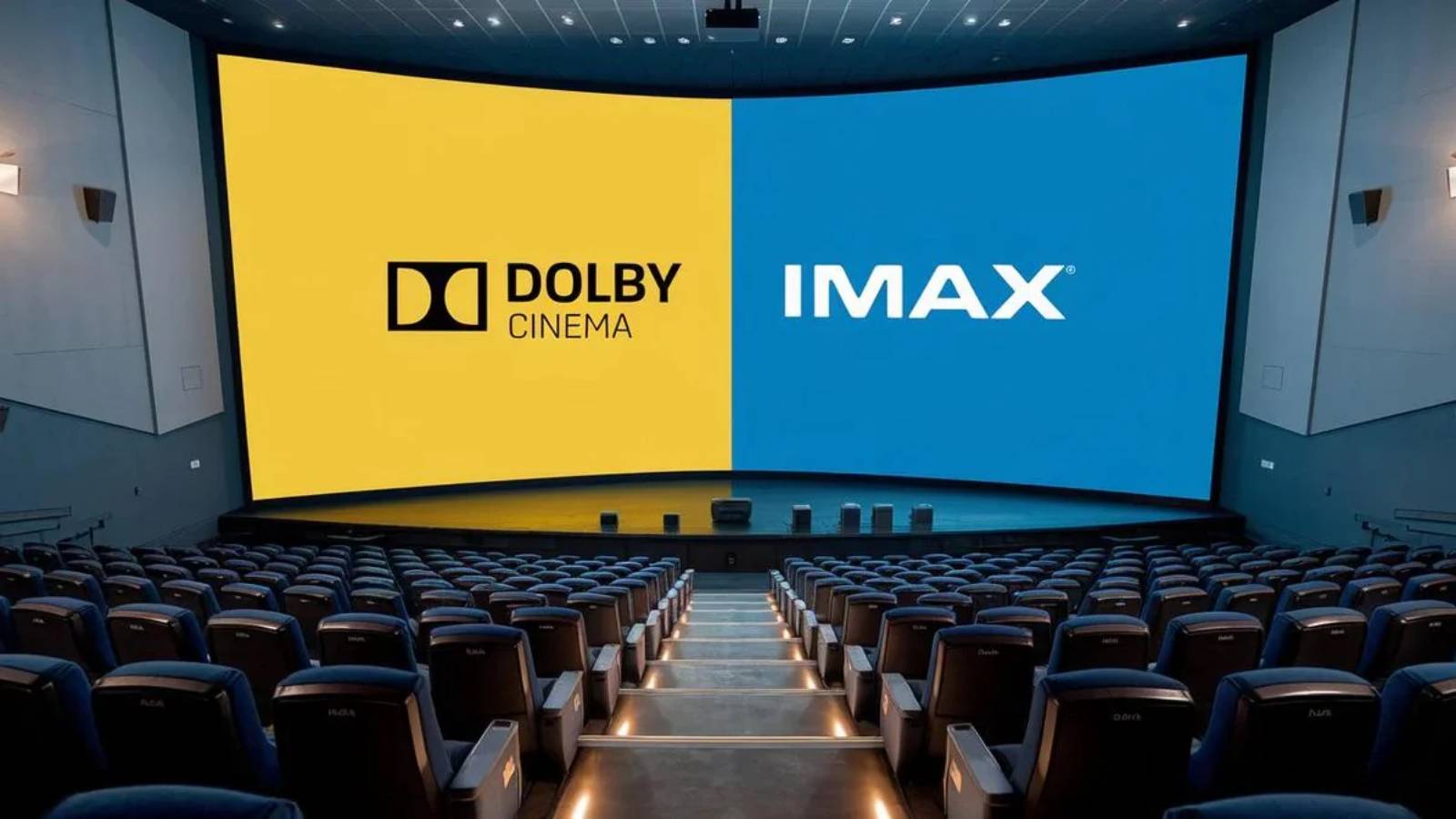
Now theatres appear to be entering another new phase with premium viewing formats. Technologies such as Dolby Cinema and Dolby Vision provide sharper visuals, deeper colors, and more detailed images than standard projection systems. For instance, the Dolby Cinema screen at Allu Cinemas has impressed many viewers with its advanced picture quality and immersive experience. After watching films on such high-end screens, some audiences feel that regular theatre screens look less impressive.
Because of this growing demand for premium viewing, several upcoming films are reportedly preparing enhanced versions for these formats. Movies like Peddi, Paradise, Dacoit, Biker, and Dhurandhar: The Revenge are said to be upgrading their technical formats so they can be shown properly on these advanced systems, even though it increases production costs.
Experts believe the future of theatres may increasingly revolve around technologies like IMAX, Dolby Cinema, ICE theatres, EPIC screens, and PCX projection systems. The shift may take time, but within the next five or six years these formats could significantly change the way films are presented in theatres.
This shift could create challenges for many older single-screen theatres, especially in smaller towns. Many already struggle with outdated screens, weak sound systems, and limited facilities. Just as televisions evolved from black-and-white sets to modern smart TVs, cinema halls are also moving toward better technology.
According to industry observers, more than a hundred theatres in Andhra Pradesh and Telangana may need major upgrades to keep up with modern standards. Without improving their screens, sound systems, and overall infrastructure, many theatres may find it increasingly difficult to attract audiences in the future.