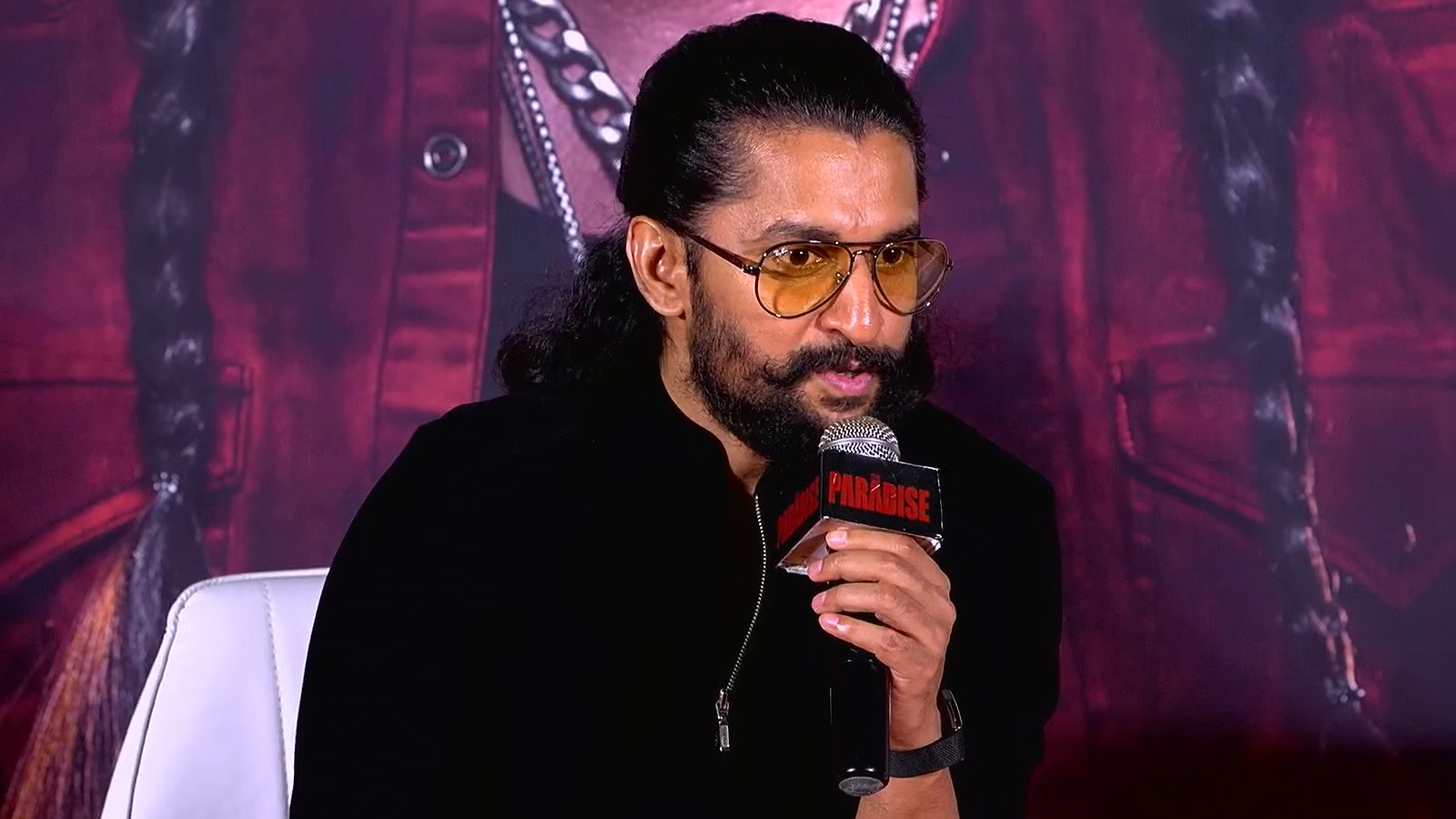
Nani was asked a pointed question about The Paradise court order at the film’s Mumbai press meet. The reporter brought up the Bengaluru court blocking the circulation of allegedly defamatory content about the film and compared it with the earlier Toxic case, where the makers had also sought legal protection.
The question was simple but important: when a film goes to court over defamatory content, who actually decides what is defamatory and what is genuine criticism?
Nani made it clear that the team is not against reviewers. According to him, they have no problem with people watching The Paradise, reviewing it and even criticising the film. His concern, he said, is with AI-generated content and material pushed through bots.
The Bengaluru court order is also specific. It restricts the circulation of certain allegedly defamatory content identified in the case. It does not impose a blanket ban on negative reviews or genuine criticism. Bona fide reviews are outside the scope of the restriction.
That distinction becomes interesting because the same question has come up around other films too. The Toxic controversy had raised concerns about legal action involving critical reviews, making the comparison unavoidable.
With The Paradise, Nani’s answer draws a line between a reviewer expressing an opinion and content the makers believe is being artificially created or circulated. Whether that line is always easy to identify is now part of the larger debate around film promotions and social media.
Nani Clarifies:
Court order is for people hiring AI bots to post negative nonsense.
Not for real people sharing genuine reviews.#TheParadise pic.twitter.com/7JdmItmu3B
— M9 NEWS (@M9News_) September 23, 2026