


The film industry often whines that people have stopped coming to theatres. Before almost every big release, actors and filmmakers talk about empty cinema halls and blame audience habits, short attention spans, or the aftereffects of the pandemic. But this argument falls apart when we look at how films are actually made and released today.
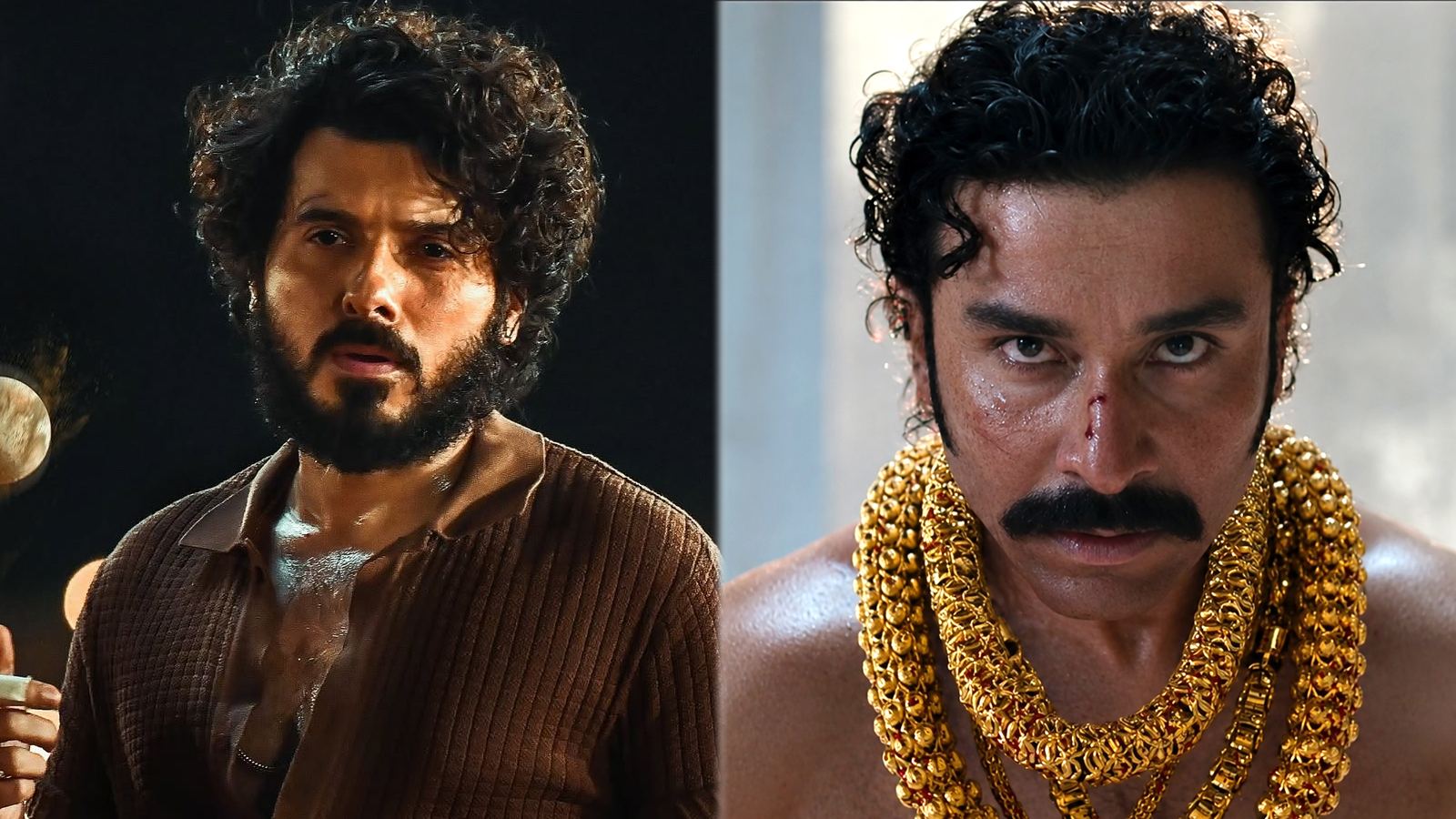
Long before a movie reaches theatres, its OTT rights are sold for big money. These deals are closed months in advance and usually allow the film to arrive on streaming platforms within a few weeks of its theatrical release. This recently happened with Sharwanand’s Nari Nari Naduma Murari. The film was doing well in theatres because of positive word of mouth. But once the makers announced its arrival on OTT in just three weeks, collections started to drop. Even though the film was still running well in leading multiplexes, Amazon announced the streaming release before the third weekend even began. This kind of move is more damaging than negative reviews or social media trolling.
Producers need to pay more attention to the fine print in their OTT agreements and find a way to avoid this kind of damage, especially when it affects an entire weekend before the streaming release. Once people know the film is coming to OTT in a few days, they see no reason to hurry. They simply decide to watch it at home using the subscription they have already paid for.
By releasing films on OTT within two, three, or four weeks, the industry itself tells audiences that waiting is the smarter option. When people do exactly that, the same industry blames them for not supporting theatres.
Ticket price hikes only make things worse. These hikes are approved in the name of supporting cinema, but in reality, they make theatre visits too expensive for many families and middle class viewers. Watching a movie in a theatre now costs almost as much as a full evening out. As a result, theatres become an occasional luxury instead of a regular habit, and people naturally turn to OTT, which is cheaper and more comfortable.
This is not just an Indian issue. In the United States too, ticket prices for even small films have gone up sharply. Theatres are becoming costly places, while streaming platforms are quietly increasing subscription prices, making sure audiences pay more no matter where they watch.
Many feel this situation is not accidental. OTT deals bring safe money, high ticket prices bring quick returns, and emotional speeches about saving theatres shift the blame onto audiences. In the end, viewers pay more, wait longer, and still get blamed, while the industry earns from every direction.