Ramayana is one of the most expensive Indian films in the making. Produced by Namit Malhotra and directed by Nitesh Tiwari, the film has massive expectations. But its promotional strategy is facing severe backlash, with many viewers questioning the way the film is being presented.
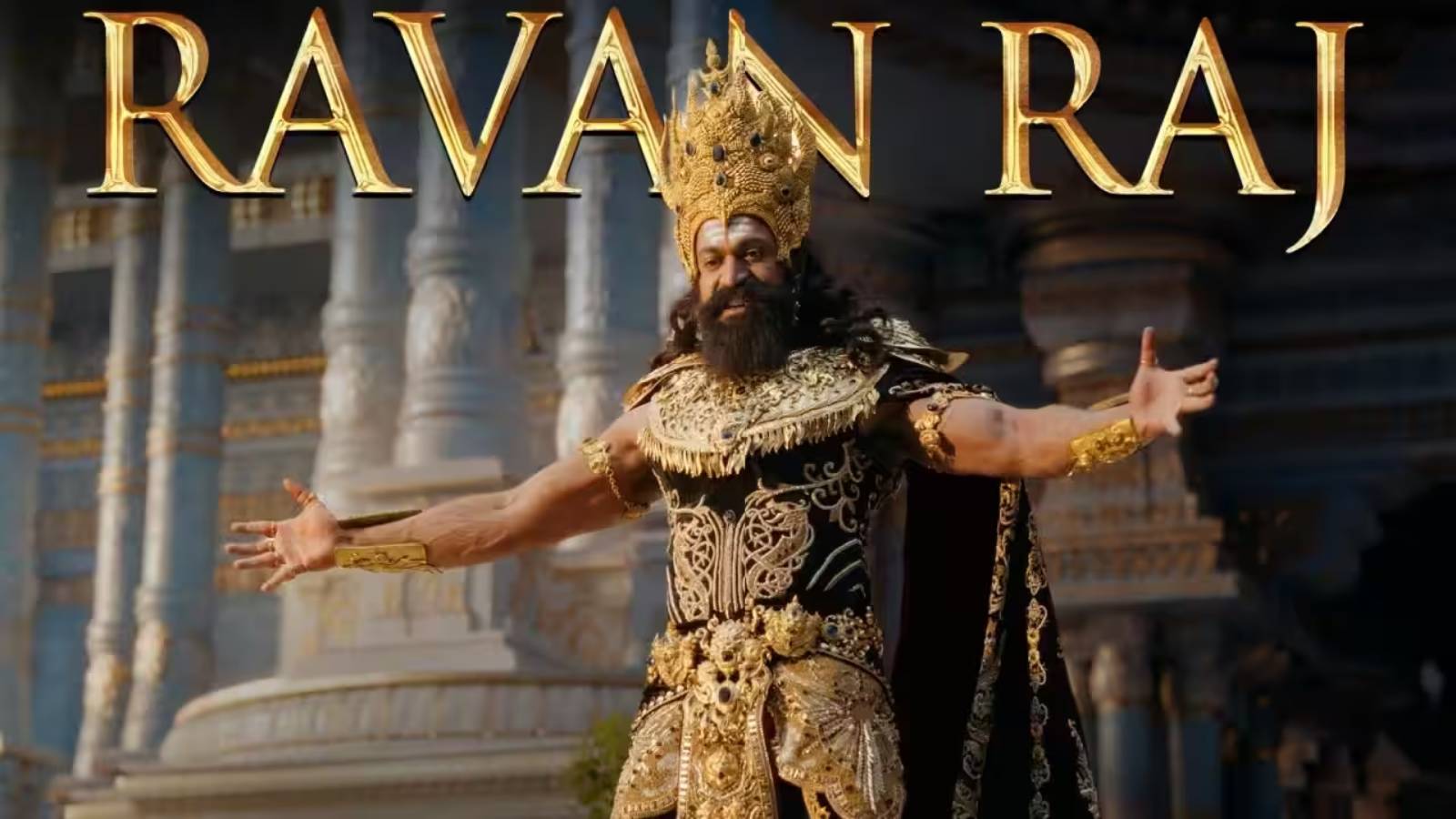
The biggest controversy came when the makers released a poster of Ravana on Janmashtami, a festival celebrating Lord Krishna. Many people felt the timing was highly insensitive, especially because Ramayana is based on Lord Rama.
The team later tried to correct the mistake by releasing a poster of Ranbir Kapoor as Lord Rama that evening. But by then, the damage was already done. The Ravana poster had already triggered heavy trolling and negative reactions.
The bigger problem is the growing disconnect between the marketing team and the audience. Some promotional decisions are raising basic questions. Even the release plan has surprised many, with the film reportedly giving importance to international audiences instead of the Indian audience first.
There is also outrage over the way Ravana is being presented. The early promotional material appears to give the evil villain a lot of attention, swag, and style. It feels as if the makers want to project the stylish Ravana as more attractive than a calm Rama. For a film based on an epic that carries deep religious and emotional value, such choices can easily create doubts among viewers. Instead of building excitement, the marketing campaign is already giving people reasons to question the film.
Yash‘s latest box office disaster Toxic has also added some negativity to Ramayana.
The makers need to understand one thing clearly. Ramayana cannot be promoted like an ordinary big-budget action film. If the team has made mistakes, they should acknowledge them openly. More importantly, the focus must now be on capturing the emotional and spiritual strength of the epic.
Ramayana needs to connect with the audience’s faith, emotions, and values. If the makers fail to understand that, even the biggest budget in Indian cinema cannot save the film from public backlash.