If you open X or any film discussion forum today, you will notice a shift in how movies are evaluated. The traditional movie review, once focused on screenplays, character arcs, emotional depth, and directorial vision, is rapidly being buried under a mountain of hyper-technical theatre reviews.
We have entered an era where a film’s artistic merit takes a backseat to its projection quality. Timelines are no longer flooded with debates over whether a story worked; instead, they are dominated by aggressive breakdowns of aspect ratios, masking errors, and projection mapping. Audiences have transformed from casual viewers into unpaid quality assurance inspectors, walking into theatres armed with technical checklists.
Terms that were once exclusive to film school classrooms or elite cinephile circles, like 1.85:1, 2.39:1, and IMAX 1.90:1, are now common vocabulary for the average moviegoer.
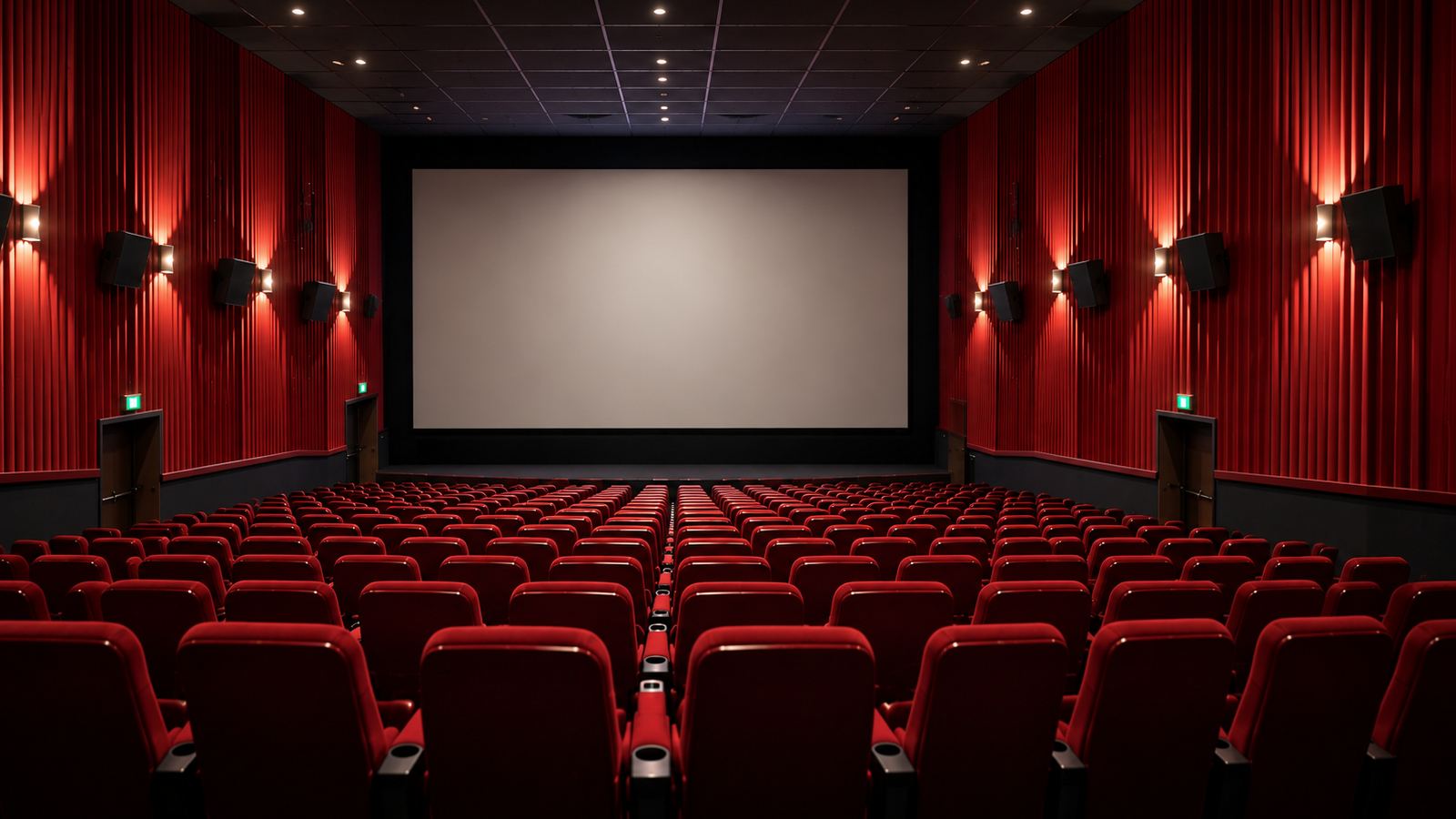
If a theatre throws a scope film onto a flat screen without proper side-masking, leaving jarring grey bars at the top and bottom, the internet will hear about it within minutes, complete with geotagged pictures shaming the venue.
To an extent, this hyper-fixation is justified. With ticket prices skyrocketing and home theatre setups becoming incredibly advanced, audiences demand a flawless premium experience to step out of their houses. If an exhibitor fails to maintain standard brightness, blurriness, or audio channel balance, they ruin the immersion that the filmmaker intended.
However, this obsession with technical perfection has created a strange imbalance in film culture. When the conversation surrounding a film becomes entirely about the container rather than the content, we lose the essence of cinema.
A movie shouldn’t be deemed a masterpiece just because the projector was perfectly calibrated, nor should a great story be dismissed because a local screen had a slight geometric misalignment.
Technology should elevate the storytelling, not replace it as the sole metric of a movie’s worth. If our timelines continue to care more about the projection bulb than the script, we might soon find ourselves reviewing the theatre walls instead of the art on the screen.