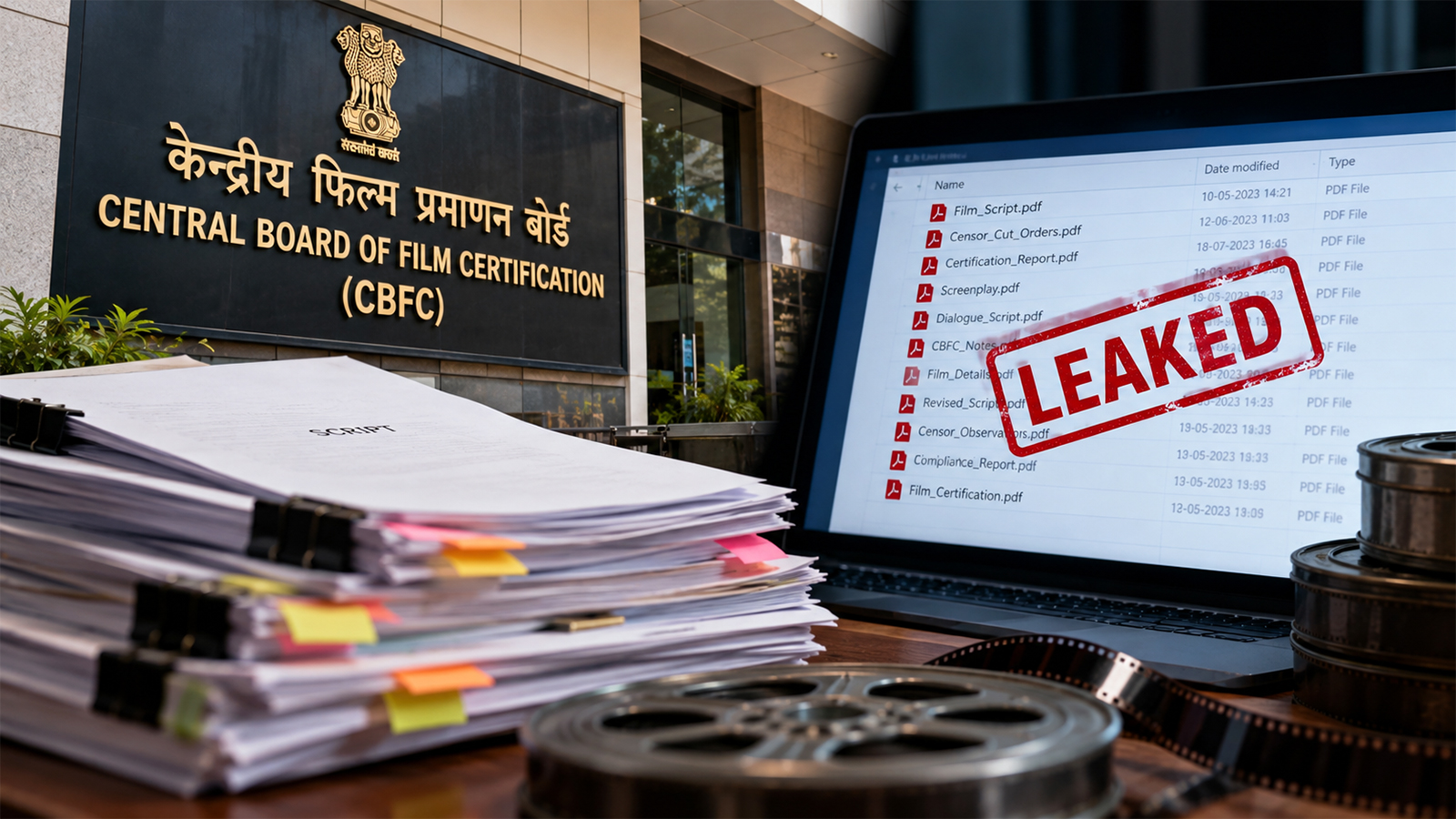
There was a time when delaying a film’s release was considered a smart business move, a shield used by producers to avoid a big box-office clash, finish visual effects, or wait for a holiday. But over the last year, a dangerous trend has taken over Telugu cinema.
Postponements are no longer strategic pivots, they have become a structural disease that drains audience curiosity and hurts a film’s earning potential, as seen earlier with projects like Vijay Deverakonda’s Kingdom.
The biggest casualty of an endless delay is momentum. Movie promotions thrive on a very specific window of excitement. You drop a teaser, launch a viral single, deliver a trailer, and strike while the interest is at its peak. But when a project is repeatedly pushed back, that connection with the audience snaps. When you ask people to care about a project three different times, by the fourth time, they simply check out.
The last twelve months have proven that a single delay triggers a destructive domino effect across the entire industry. Ram Charan’s Peddi shifted its calendar three separate times, moving from March to April, and later into June amid extensive creative revisions and backstage controversies.
While Peddi was playing musical chairs with its dates, it directly disrupted Srikanth Odela’s The Paradise. Initially locked for a massive March 2026 clash, the makers of the Nani-starrer chose to step away from the heavy traffic and pushed their release all the way to August 21, 2026.
Although the team aggressively denied rumors of reshoots, explaining that the delay was purely to avoid rushing the post-production of a massive 100-day shoot, the structural damage to the actor’s calendar remains undeniable.
For an actor like Nani, whose stardom relies on a steady stream of releases to keep theaters active, a six-month delay is a massive bottleneck that stalls future collaborations.
Just when the team behind The Paradise thought they had established a safe haven on August 21, the industry’s chaotic lack of planning struck yet again. Mythri Movie Makers threw a massive curveball by officially locking August 21, 2026, for the release of Ravi Teja’s family drama, Irumudi.
This sudden announcement has instantly reignited speculation that The Paradise is bound for another postponement. Because Mythri Movie Makers shares a close professional relationship with SLV Cinemas, the producers backing The Paradise, the trade logic suggests that the two production houses would never intentionally clash and eat into each other’s revenue.
The fact that Irumudi confidently claimed the exact same date has led insiders to believe that The Paradise is silently preparing to retreat further down the calendar. It is a textbook example of how the postponement virus feeds on itself: a film delays to find breathing room, only for a rival project to take over that exact date, forcing yet another wave of instability.
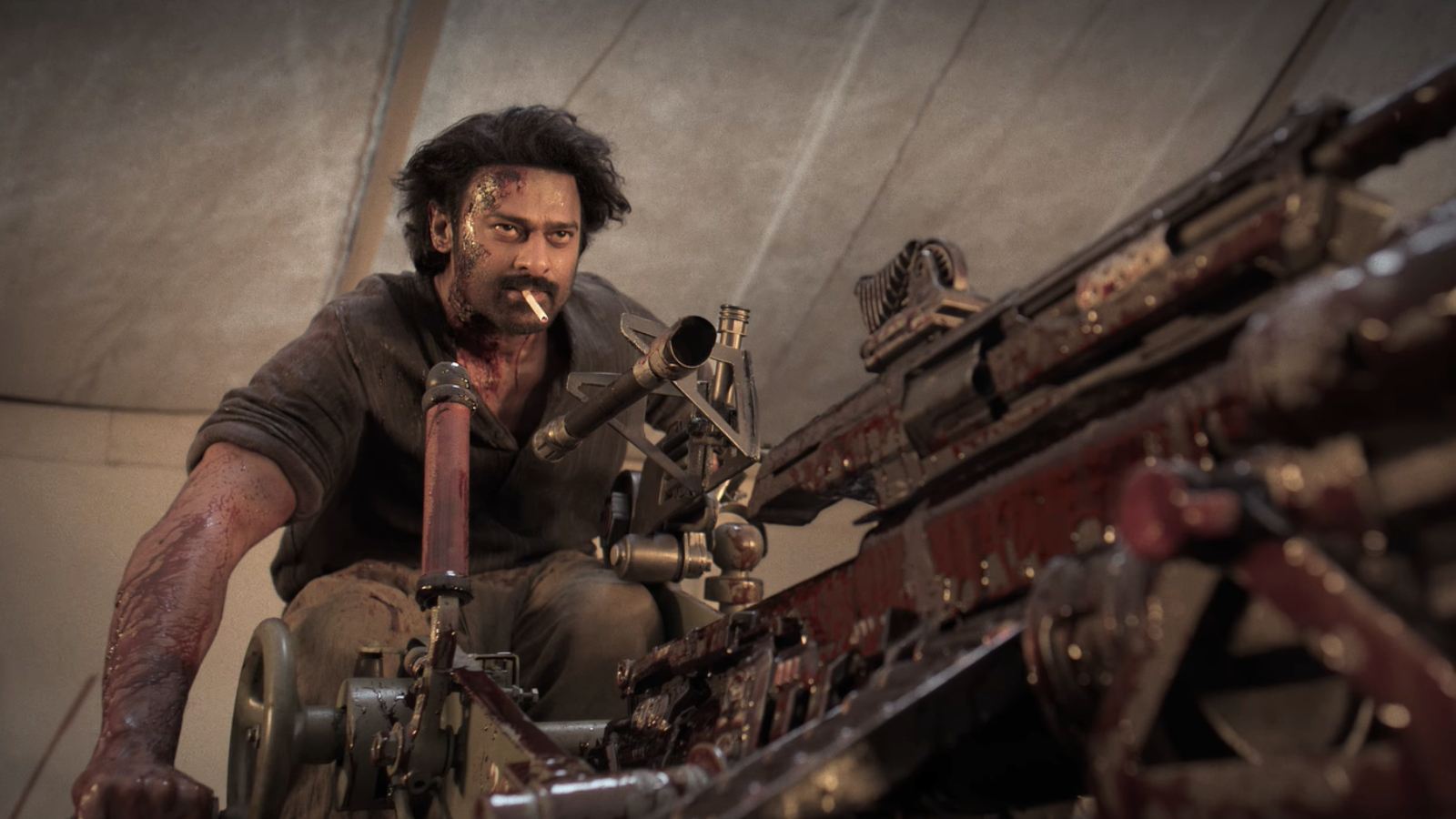
This scheduling anxiety is heavily infecting the absolute biggest star-driven projects as well. Prabhas’s highly anticipated military drama Fauji was originally rumored for an August 2026 launch but was pushed to October for Dasara, and trade whispers now suggest even October is highly doubtful. Meanwhile, Sandeep Reddy Vanga’s hyper-anticipated cop drama Spirit, also starring Prabhas, continues to face persistent shooting delays that disrupt the star’s multi-film lineup.
Even more staggering is the recent freeze on Jr. NTR’s high-stakes project Dragon with director Prashanth Neel, which has reportedly been hit with a massive one-year postponement before it could even start filming. When these elite combinations are constantly delayed or frozen for a year, it paralyzes the entire industry, leaving smaller films terrified to lock in dates and keeping global theater owners starved of consistent content.
Behind the glossy “coming soon” posters lies a terrifying financial tightrope. Trade analysts point out that a postponement isn’t just a change of text on a graphic; it’s a massive financial blow.
Interest costs on heavily borrowed production capital continue to pile up every single day a film sits in a digital vault. Marketing campaigns have to be entirely reinvented and paid for twice. Insiders estimate that major delays can drain anywhere from ₹2 crore to a staggering ₹100 crore directly from a project’s bottom line.
Worse, this mood of uncertainty has trickled down to theater owners, leaving them completely exposed. When major movies suddenly vanish from a scheduled holiday slot, single screens and multiplexes are left with massive calendar gaps and zero content to pull in audiences.
The current theatrical landscape of 2026 is hyper-reactive. Ever since streaming safety nets receded and OTT platforms became fiercely selective about buying films before release, the theater has returned as a high-stakes, maximum-risk gamble.
In this cutthroat environment, actors are demanding reshoots after watching rivals score better, and producers are constantly panicking, changing dates out of fear of a box-office collision.
But the industry must realize that excessive caution is just as fatal as a bad release date. Cinema cannot survive on infinite adjustments.
If filmmakers continue to treat release dates as rough drafts rather than ironclad promises, they will continue to kill the very thing that keeps the industry alive: the audience’s unyielding excitement to see a story on day one.
Art requires discipline, and it’s high time Tollywood reclaims its calendar.