A debate has surfaced on social media over who deserves credit for the IT revolution and engineering education boom in Andhra Pradesh. The discussion began after a short interview clip of a film writer went viral.
In the clip, the writer credits Nedurumalli Janardhan Reddy for both HITEC City and the rise of engineering colleges. Supporters of YSR Congress and Janasena shared the video widely, questioning the role of Chandrababu Naidu.
During that period, medical, dental, and engineering colleges were largely government-run. Seats were limited, leaving very few opportunities for students within the state. Many students were forced to study in neighbouring states.
There had long been proposals to allow private colleges, but political hesitation stopped progress. Communist influence was strong, and even the Congress party followed strict socialist policies. Allowing private players was seen as politically risky.
Supporters argue that Nedurumalli broke this barrier by approving private colleges. Critics, however, allege kickbacks and misuse of power. Still, it is acknowledged that he made the initial attempt.
Nedurumalli permitted around 20 private medical, dental, and engineering colleges under a capitation fee system. These colleges charged extremely high fees and admitted students outside merit-based norms.
This violated existing laws against capitation fees and led to allegations of corruption and favoritism. A three-judge High Court Bench strongly criticised these actions and indicted him in a detailed judgment.
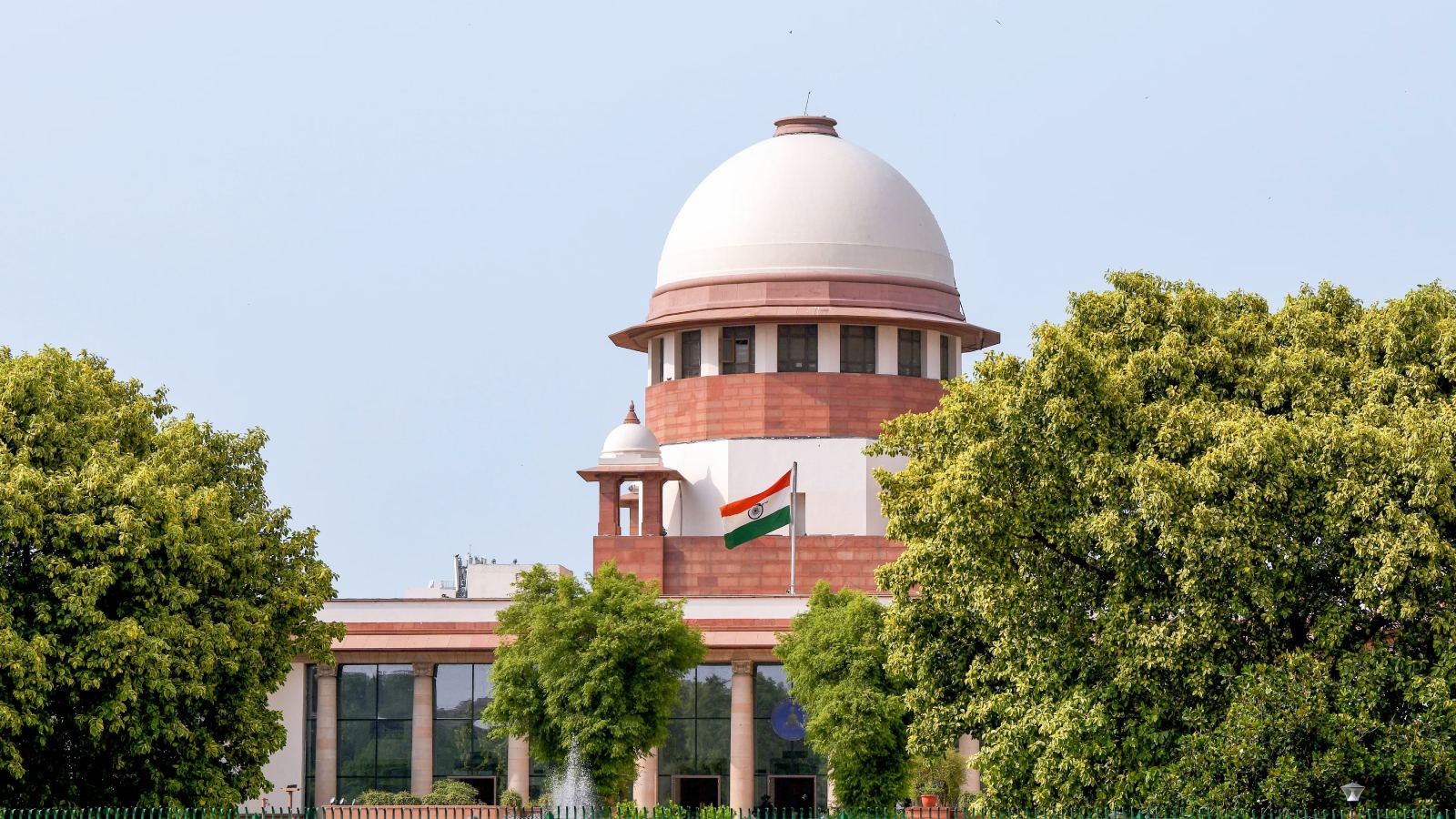
Facing mounting pressure, Nedurumalli resigned as Chief Minister. He later approached the Supreme Court, challenging the High Court ruling.
In 1992, a full bench of the Andhra Pradesh High Court cancelled these permissions in the landmark Kranti Parishad v. N.J. Reddy case. The court ruled that the approvals violated existing laws. The Supreme Court upheld this judgment in 1993.
After coming to power in 1995, Chandrababu Naidu aggressively expanded private engineering education. His government introduced regulated fee structures through state committees to meet IT demand while preventing profiteering.
While Nedurumalli initiated the idea, it was Naidu who successfully implemented it. Later, YS Rajasekhara Reddy expanded access further through the Fees Reimbursement Scheme, though it also led to misuse by dummy colleges.
The debate also extends to HITEC City. Nedurumalli laid a foundation stone for an IT building around 1991–1992, influenced by P.V. Narasimha Rao and the STPI initiative. However, the project saw no real progress.
After Kotla Vijay Bhaskar Reddy took over, the plan remained dormant. Nedurumalli neither had a clear IT vision nor a concrete execution strategy.
When Chandrababu Naidu assumed office in 1995, the project was revived with clarity and purpose. Inspired by Southeast Asian tech parks, he partnered with Larsen & Toubro and Andhra Pradesh Industrial Infrastructure Corporation.
Construction began in 1997 and was completed within 14 months. HITEC City was inaugurated on 22 November 1998 by Atal Bihari Vajpayee, alongside Naidu.
That same year, Naidu marketed Hyderabad globally and met Bill Gates. This led Microsoft to set up its largest campus outside the US in 1998.
HITEC City was not just one building. Naidu’s vision transformed Hyderabad into Cyberabad, attracting large IT investments and employment. This firmly established the city as one of India’s leading technology hubs.