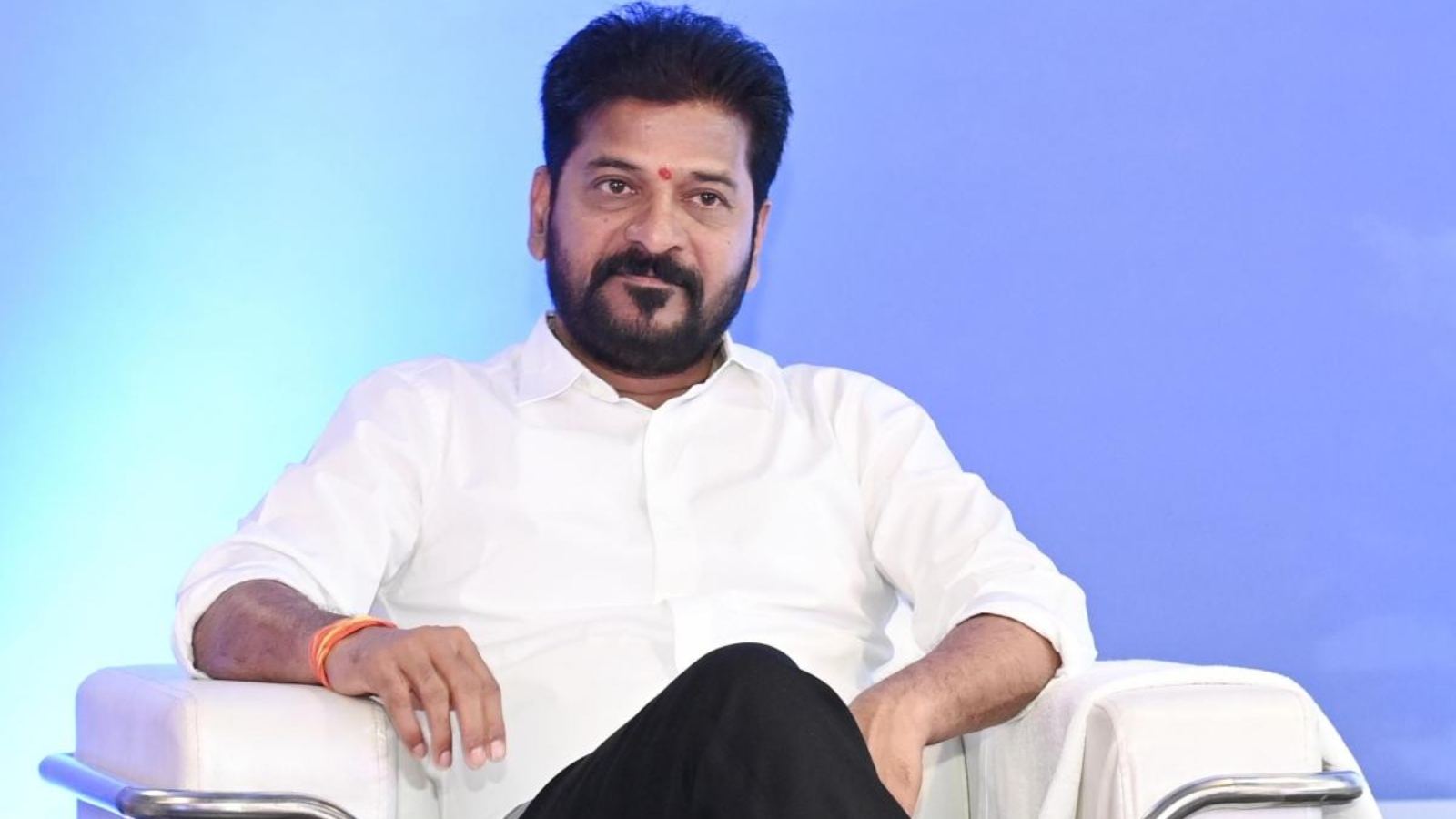
The Telangana government is kickstarting its Musi riverfront development with a strong religious and symbolic beginning. Chief Minister Revanth Reddy is set to lay the foundation stone on the 28th for a major temple project at Manchirevula, marking the first step in a larger faith corridor plan.
At the centre of this initiative is the development of the Veerabhadraswamy temple and the nearby Machileshwara shrine, along with a proposed Omkareshwara temple inspired by traditional architecture. The project is not just about renovation. It is about scale, visibility and messaging.
The broader plan is to develop the 55 km Musi stretch into a symbol of religious harmony. Along with the Manchirevula temple, proposals include a mosque near Puranapul, a church at Nagole and a gurudwara at Gowliguda. The idea is to combine urban development with a visible narrative of inclusiveness.
A major highlight of the project is the proposed 100 foot Shiva statue in the river, along with parks, boating facilities and a small barrage to maintain water levels. This shifts the plan from a simple temple project to a larger tourism and cultural destination.
From a political and governance perspective, the move carries multiple layers.
First, it gives a clear and visible starting point to the Musi project, which has been under discussion for years without a strong launch moment. A temple foundation creates immediate public attention.
Second, it blends development with identity. By including multiple religious structures, the government is attempting to balance cultural assertion with inclusivity.
Third, the funding model is notable. With an estimated cost of around ₹700 crore and reliance on donors and private participation, the government is aiming to reduce direct financial burden while pushing a large scale project.
At the same time, key questions remain. How quickly will the project move beyond announcements? Will the balance across all religious components be maintained? And how will this align with Hyderabad’s broader urban priorities?
For now, the Manchirevula temple project is more than a construction activity. It signals the government’s intent to shape the Musi riverfront as both a cultural and developmental landmark.