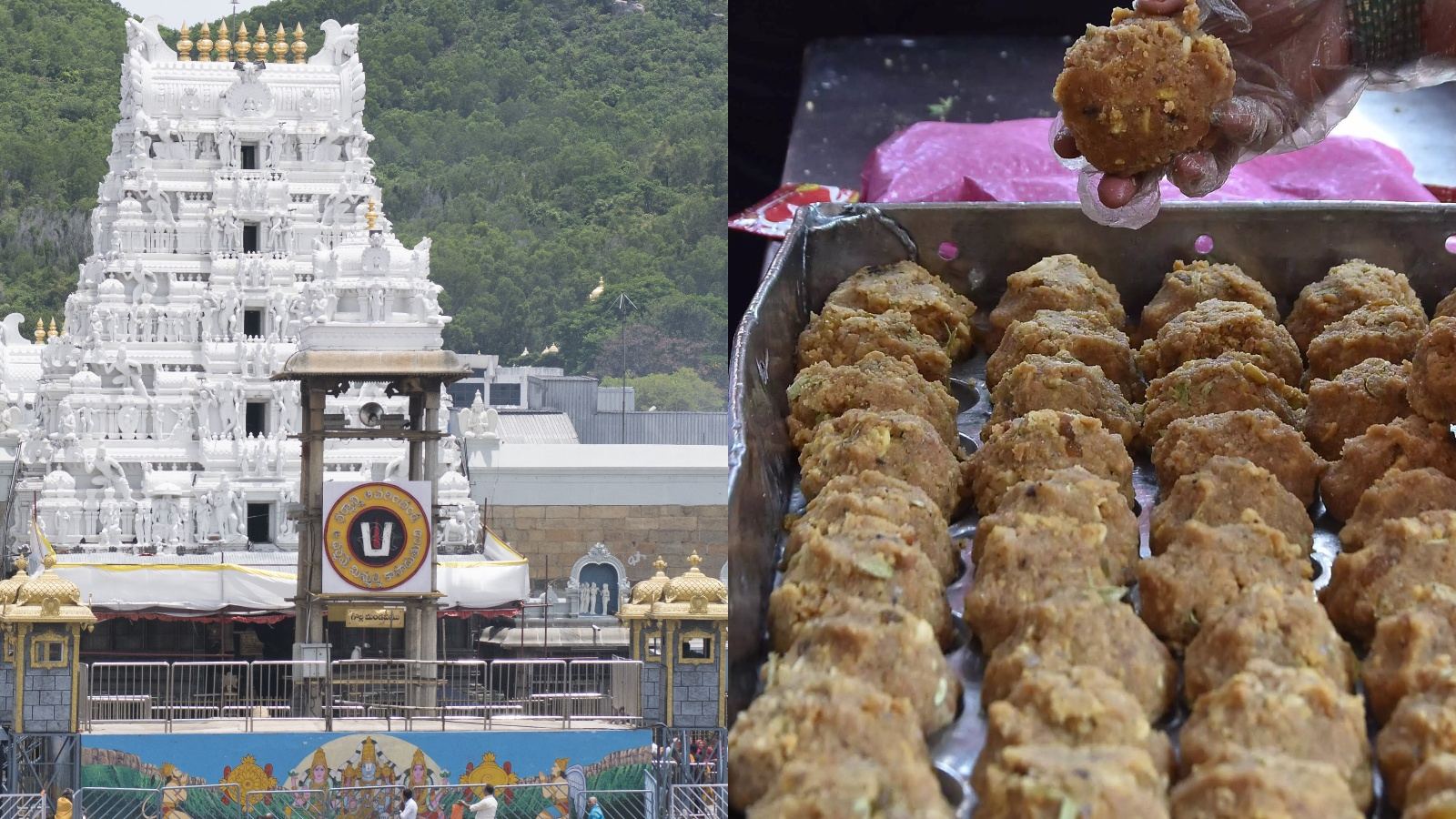
The Tirumala Laddu issue has sparked a serious debate about priorities among Telugu Hindus. Critics argue that caste and political loyalties are being placed above devotion, exposing a deeper social problem.
According to allegations made by Chandrababu Naidu and Pawan Kalyan, adulterated ghee was used to prepare the Laddus during the YSR regime. It was claimed that the ghee was contaminated with animal fat, triggering global outrage among devotees.
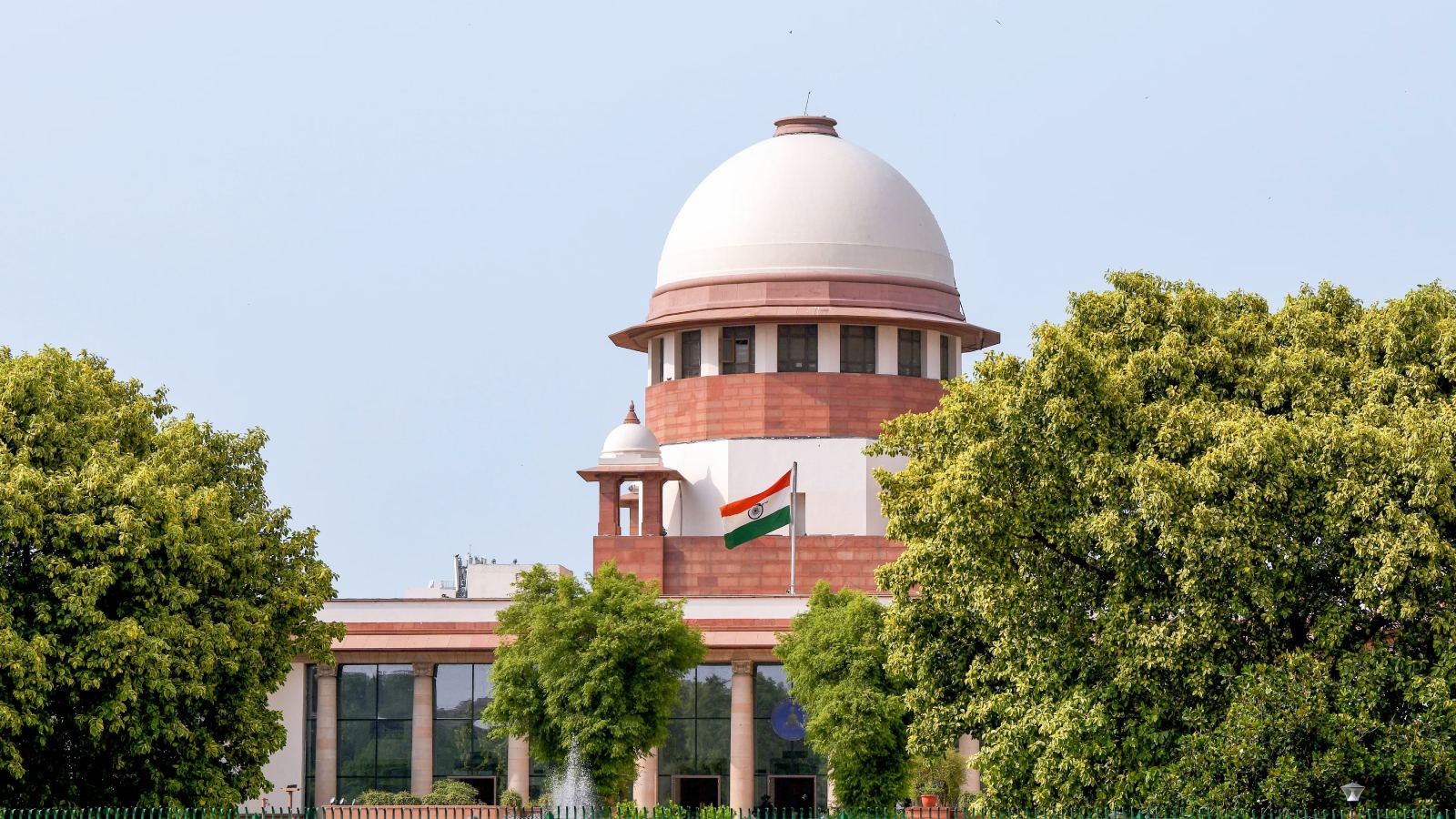
The matter escalated to the Supreme Court, following which an SIT was formed to investigate the allegations. The case drew widespread attention due to its religious sensitivity.
The SIT later submitted a chargesheet stating that the supplied ghee was synthetic. It was allegedly prepared using chemicals without milk or milk fats. However, the report clarified that animal fats were not detected in the tested samples.
Preparing Laddus with synthetic ghee itself is seen as a serious offence by many devotees. Yet, critics argue that sections of Telugu society responded not with spiritual concern, but with political positioning.
Supporters of YSR Congress reportedly defended the use of synthetic ghee while focusing on blaming Chandrababu Naidu and Pawan Kalyan. According to critics, political loyalty appeared to override religious sentiment.
The debate further intensified with allegations that caste pride, particularly Reddy pride, was being prioritised over devotion. This perception has added fuel to the controversy.
Surprisingly, even some Bharatiya Janata Party supporters were accused of defending synthetic ghee to politically counter Chandrababu Naidu. Critics claim ideological consistency was abandoned for political gain.
Concerns were also raised about caste rivalries, with allegations that hostility towards Kammas influenced reactions against Chandrababu Naidu and Telugu Desam Party.
The BJP often positions itself as a champion of Hindu pride and right-wing politics. However, critics argue that caste and political interests took precedence in this issue, highlighting what they describe as ideological bankruptcy in Telugu politics.
Many observers believe the controversy reflects a deeper decline in societal values. A society that places caste and politics above faith, they argue, risks losing its moral direction and long-term progress.