What started as an alleged cyber fraud case involving a Tinder match has now developed into a complex legal matter. The case includes claims of a fake government officer identity, promises of high investment returns and transactions worth more than Rs. 52 lakh.
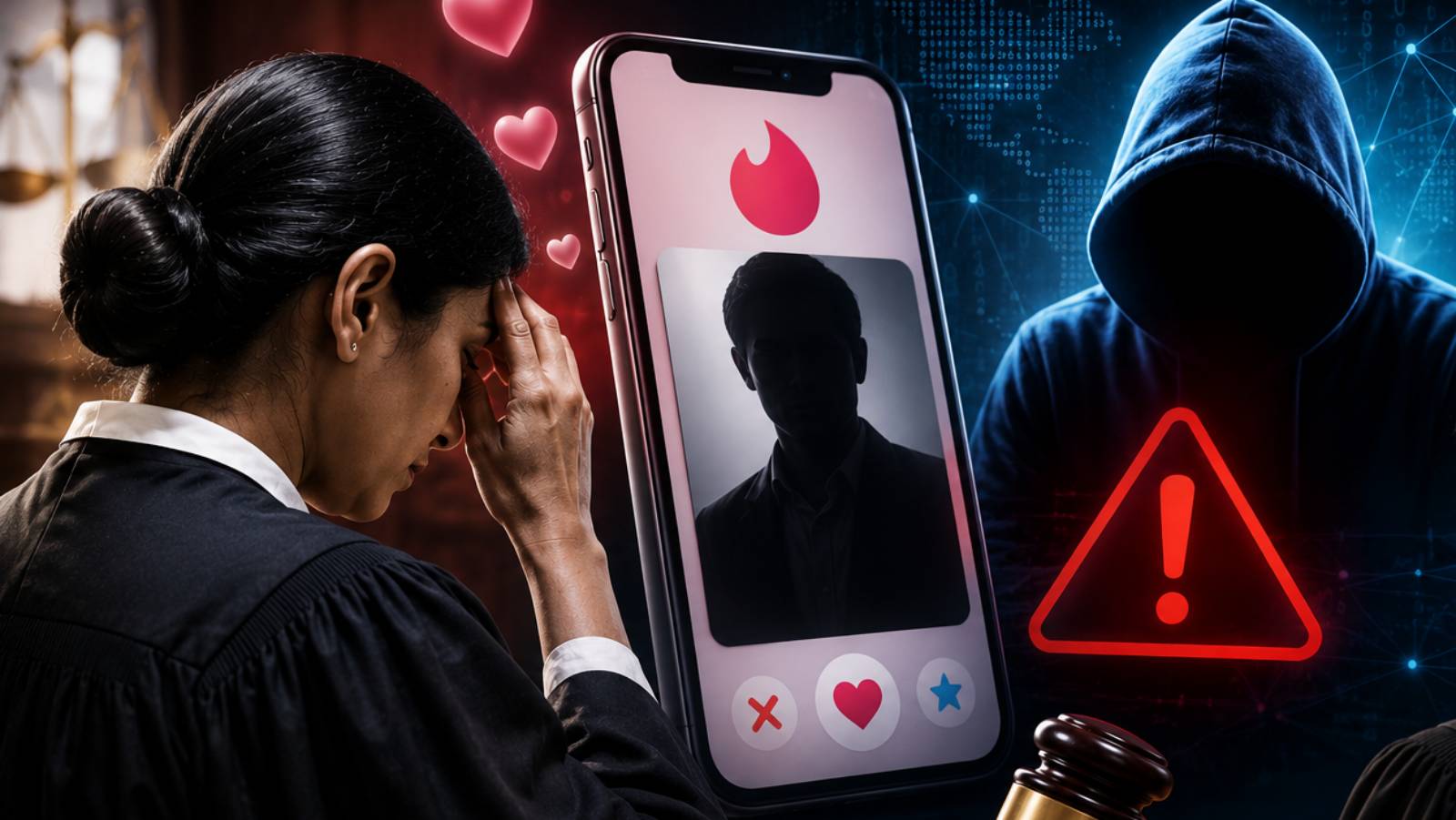
A Delhi court has denied bail to Deepak Vats, who is accused of cheating a Haryana judge out of Rs. 52.81 lakh. Investigators have described the incident as a classic online romance scam that began through a dating application.
According to the prosecution, the two first connected on Tinder in November last year. The accused allegedly introduced himself as Abhimanyu Vashishth and claimed to be working for a secret government department. The relationship reportedly grew over time through regular communication.
During the course of the relationship, the woman allegedly transferred large sums of money to bank accounts linked to the accused. She was reportedly convinced to invest in online betting and gaming schemes that promised exceptional returns. However, the expected profits never materialised.
The case took a significant turn when the court examined how the complaint was filed. Instead of approaching the police directly, the FIR was registered in the name of the judicial officer’s domestic helper. The helper claimed she had been cheated through an online dating application.
The court observed that most of the disputed financial transactions originated from the judicial officer’s bank accounts. It acknowledged the professional embarrassment and sensitivity that may arise when a judicial officer becomes the victim of an alleged honey trap.
At the same time, the court stressed that personal discomfort cannot interfere with a fair and transparent investigation. It observed that the officer’s personal concerns should not compromise the integrity of the criminal investigation process.
The court also raised concerns over missing electronic evidence in the case. Although Tinder was allegedly the platform where the relationship began, investigators had not secured the app conversations. Complete WhatsApp chats and call detail records were also absent from the case file.
While hearing the matter, the judge directed the judicial officer to provide complete communication records. The court also sought an explanation regarding the circumstances under which the money transfers were made.
The case highlights the growing threat of online romance scams in the digital age. It serves as a reminder that such frauds can target anyone, regardless of profession, status or level of experience.