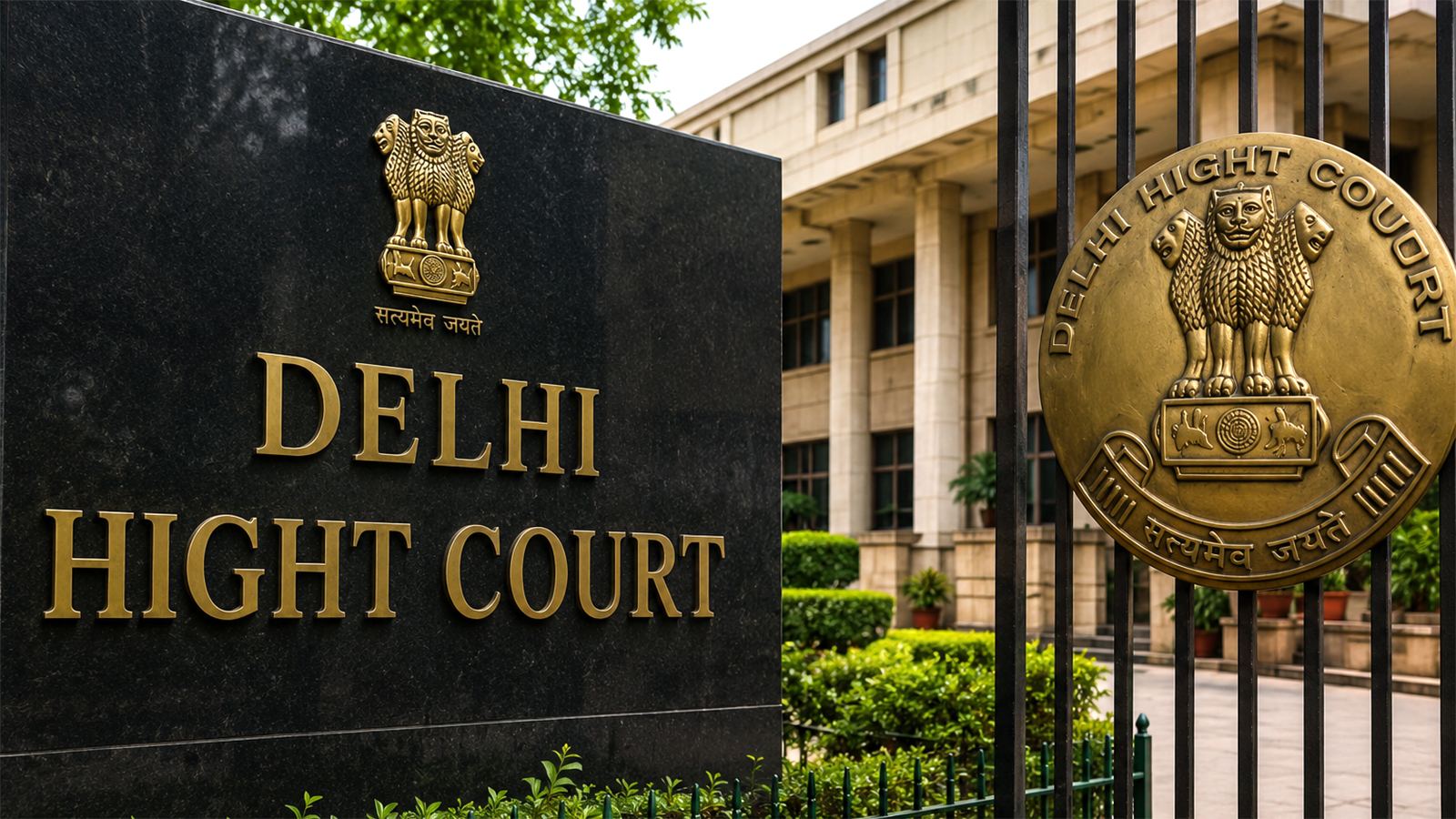
The Delhi High Court has reserved its verdict on a petition filed by instant messaging platform Telegram, which is challenging the Central Government’s decision to temporarily ban its operations in India.
The temporary ban was enforced by the Ministry of Electronics and Information Technology (MeitY) under Section 69A of the IT Act until June 22, aiming to prevent question paper leaks ahead of the upcoming NEET-UG re-examination on June 21.
During the intense hearing, a vacation bench led by Justice Tejas Karia raised critical questions about the proportionality of the government’s blanket ban.
Addressing the counsel for the Central government, the judge orally remarked, “How can we stop the rights of 150 million people just because one set of citizens are appearing in examinations? Can you block someone else’s rights to safeguard someone else’s right?”
Representing Telegram, Senior Advocate Dhruv Mehta argued that the blanket ban is an extreme and disproportionate measure that lacks independent application of mind by the authorities. The platform contended that it affects over 150 million Indian users who rely on the service for daily communication and business.
Telegram argued that instead of forcing a complete shutdown and ordering its removal from app stores, the government could have simply ordered the removal of specific objectionable links or channels.
Defending the temporary restriction, Solicitor General Tushar Mehta, appearing for the Centre, highlighted unique architectural flaws within Telegram that make it a breeding ground for organized cheating networks.
The government pointed out that the platform’s features allow users to backdate and edit messages, meaning a leaked paper could be uploaded after the fact but altered to look like an early leak to spark chaos.
The Centre also argued that the platform’s cloud setup allows users to move entire groups of a hundred thousand people to new channels within seconds, making real-time tracking nearly impossible for law enforcement.
The government maintained that the temporary block until June 22 is a necessary preventive measure to ensure the integrity of the high-stakes exam affecting over 22 lakh students.
With both sides wrapping up their arguments, the High Court has reserved its order and is expected to deliver its decision shortly before the scheduled re-examination.