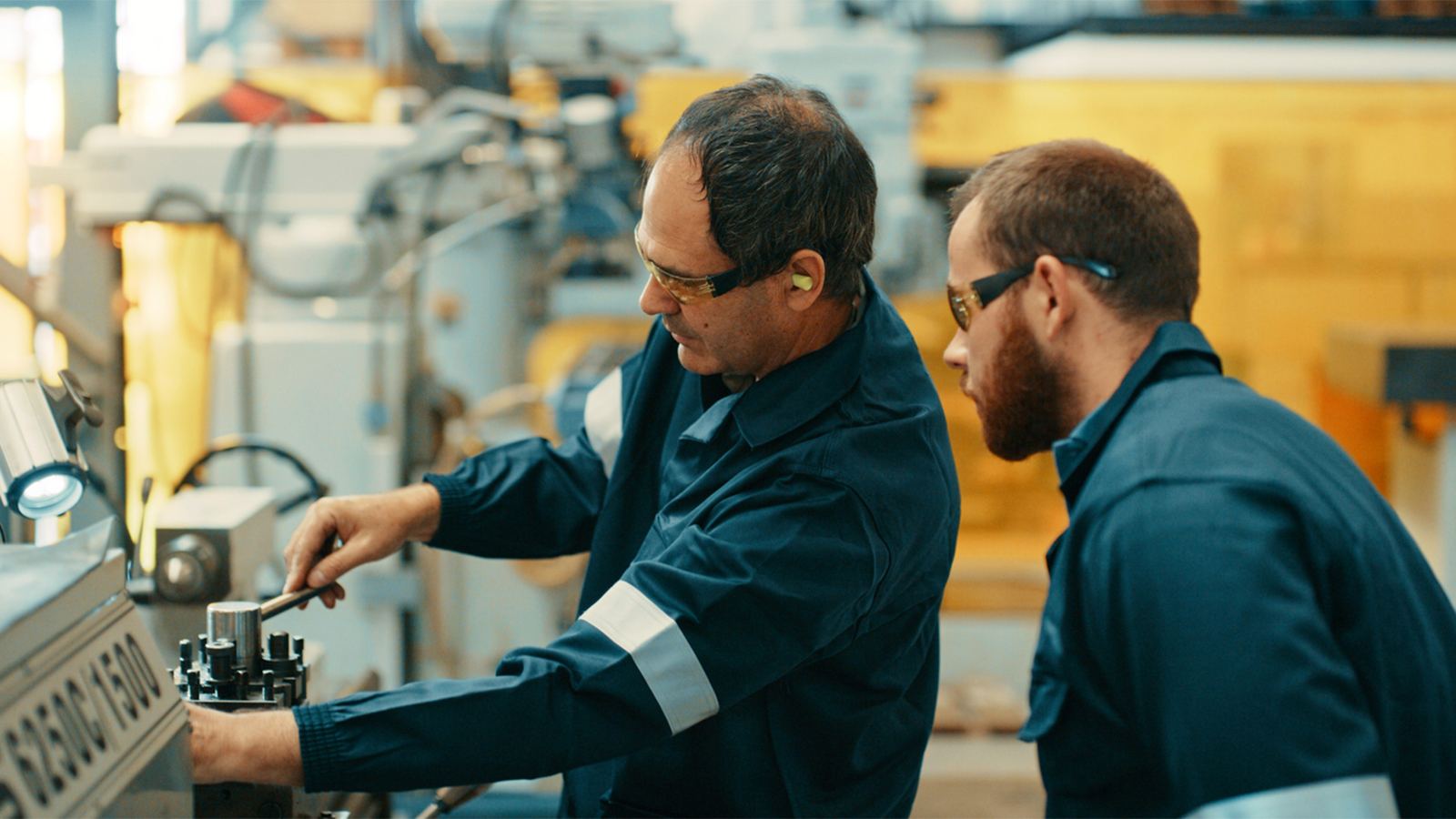
Germany is facing a serious labour shortage driven by an ageing population. Fewer young workers are entering the workforce, creating gaps across sectors. From butchers and bakers to mechanics and transport staff, businesses are struggling to fill essential roles.
To address this issue, Germany is increasingly turning towards India. The country offers a large and young workforce entering the job market each year. Many seek stable and better paying opportunities, creating a strong match with Germany’s labour demand.
Recent policy changes have strengthened this connection. Visa rules have been relaxed, and partnerships between agencies are helping Indian workers move for jobs and training. What began with limited apprenticeships has now expanded into multiple industries.
For Germany, this is a long term requirement rather than a short term solution. Experts believe the country will need a steady inflow of foreign workers annually. Without this support, the workforce could shrink significantly in the coming years.
For India, this shift presents a major opportunity. The country is emerging as a global supplier of both skilled and semi skilled labour. Indian workers are contributing across sectors such as healthcare, technology, and services in international markets.
If managed effectively, this trend can benefit both nations. Germany can meet its workforce needs, while India strengthens its global labour presence. The growing partnership highlights changing dynamics in the international job market.