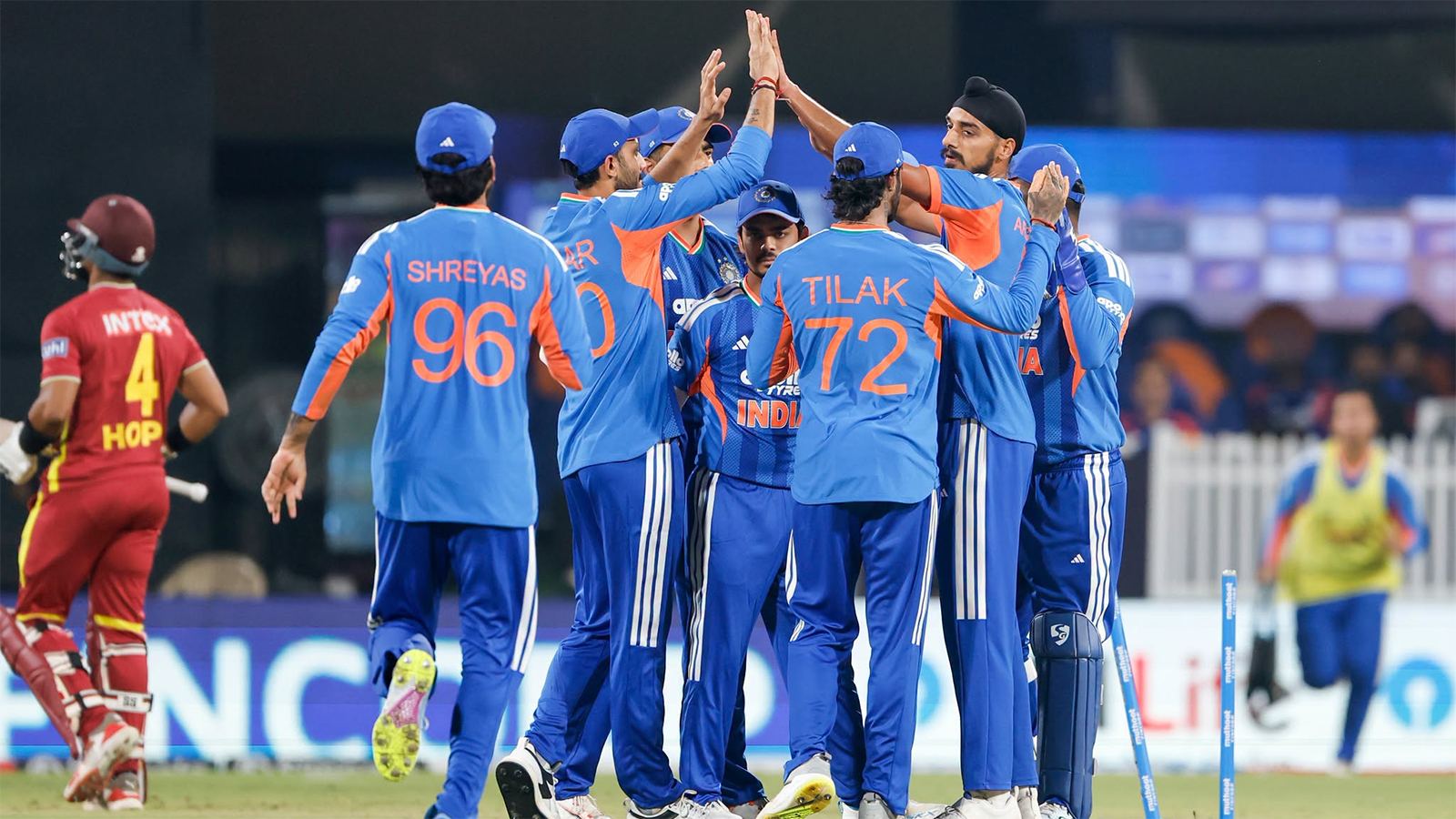
The India vs Pakistan cricket match is more than a game for many fans. It is treated as a battle of pride, a matter of national emotion, and a day to assert India’s dominance on the field.
This year, however, excitement is muted. The nation is still mourning the lives lost in the Pahalgam terror attack on 22 April 2025, where innocent tourists were killed in a well-planned strike allegedly funded by Pakistan.
The ruling government used the tragedy to gain political support. During Operation Sindoor, several leaders, including Prime Minister Narendra Modi, condemned Pakistan, with the PM’s statement “Khoon Aur Paani Ek Saath Nahi Bahega” resonating deeply with citizens.
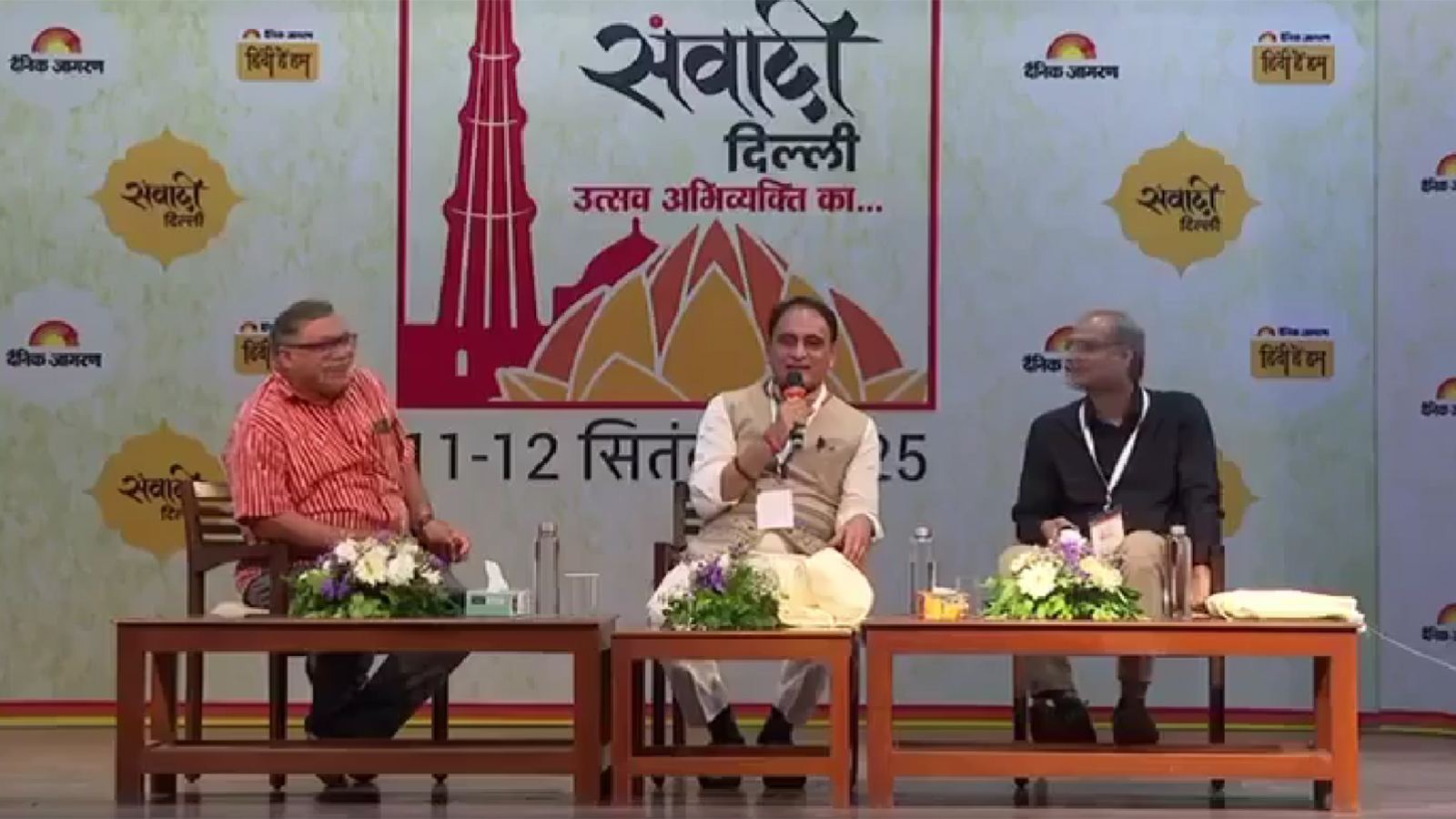
Social media has been filled with calls to boycott the match, yet these voices have largely gone unheard. A clip recently went viral where a student asked BJP leaders why India agreed to play cricket despite previous statements about “blood and water.”
Rakesh Sinha, a BJP leader, responded, “blood and water, not blood and cricket,” prompting laughter from the audience. Many viewers criticized the remark, saying it trivialised the pain of victims’ families.
Critics argue that holding the match legitimises Pakistan and indirectly supports its economy, which may sustain state-sponsored terror. Social media users called the decision shameful, pointing out that nationalism seems conditional for the ruling party.
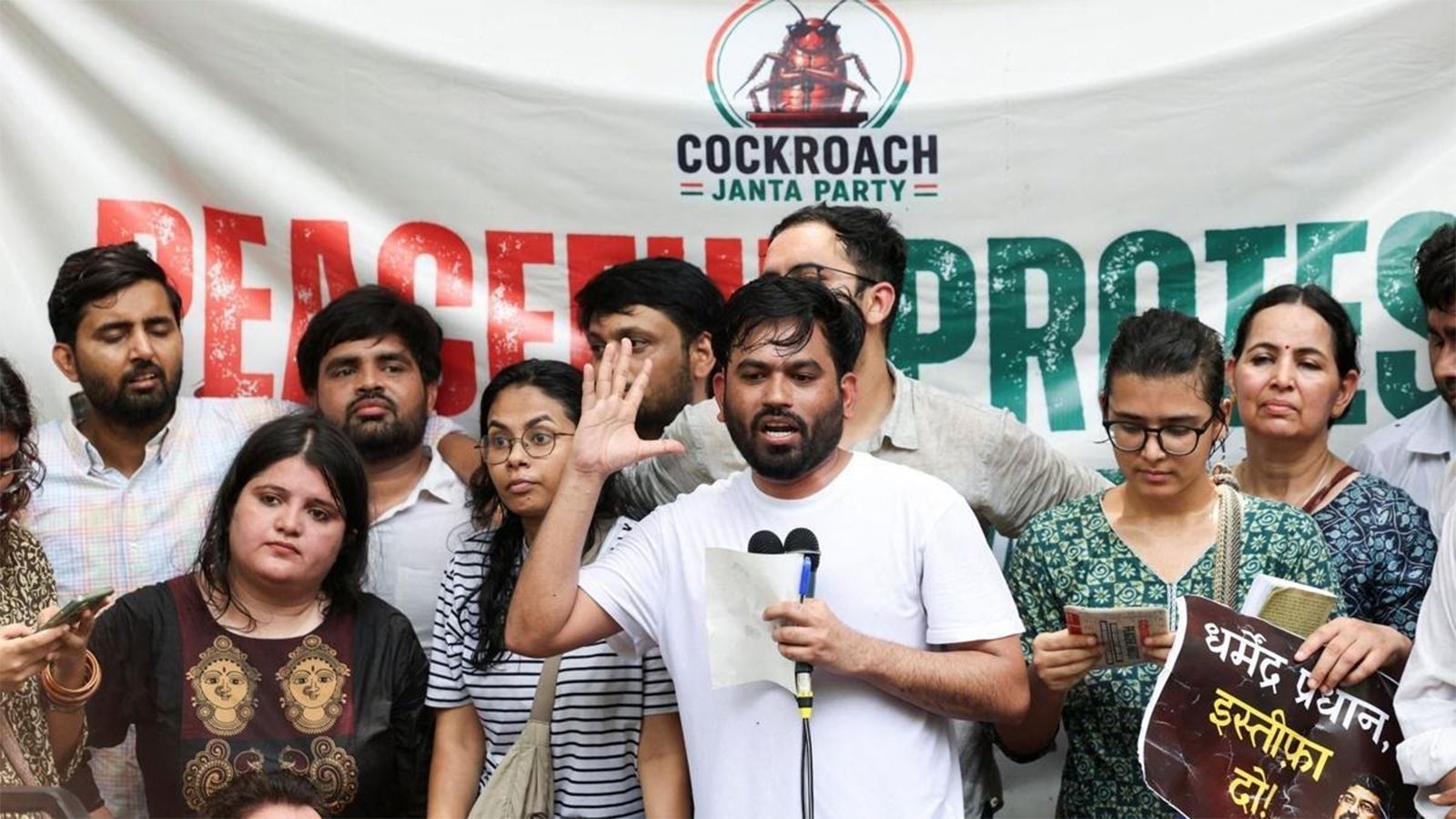
Many citizens are now protesting the match, urging others to boycott it in honor of the Pahalgam victims. They argue that public sentiment and principles should take precedence over political and sporting engagements.
Girl: Govt said blood and water can’t flow together, then why play cricket with them?
Rakesh Sinha (BJP leader and former MP): We said blood and water, not cricket.
Audience laughs.
Neither the politician is serious nor the audience. What should be a matter of principle has… pic.twitter.com/xJv2J4gq3Z
— THE SKIN DOCTOR (@theskindoctor13) September 13, 2025