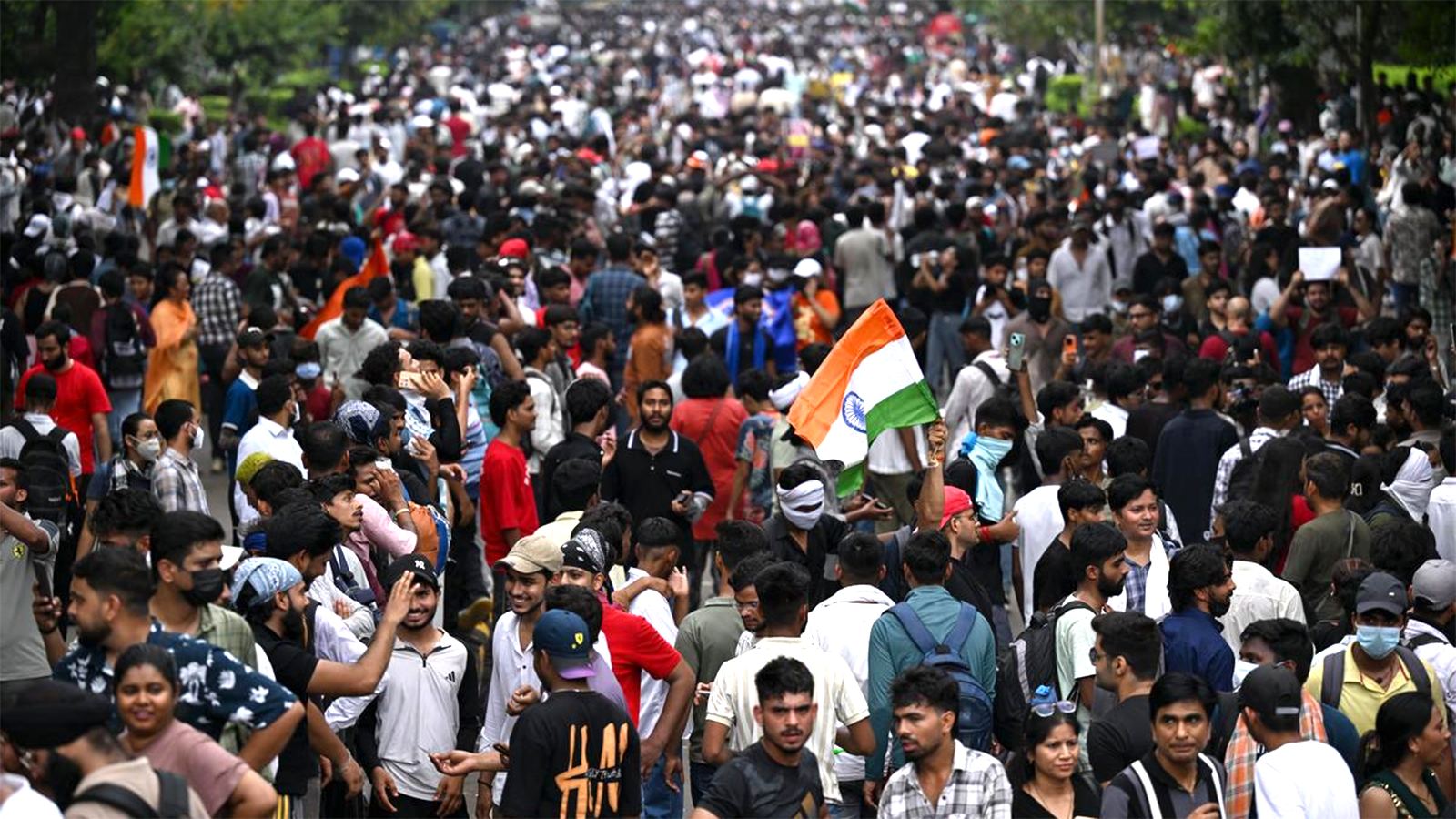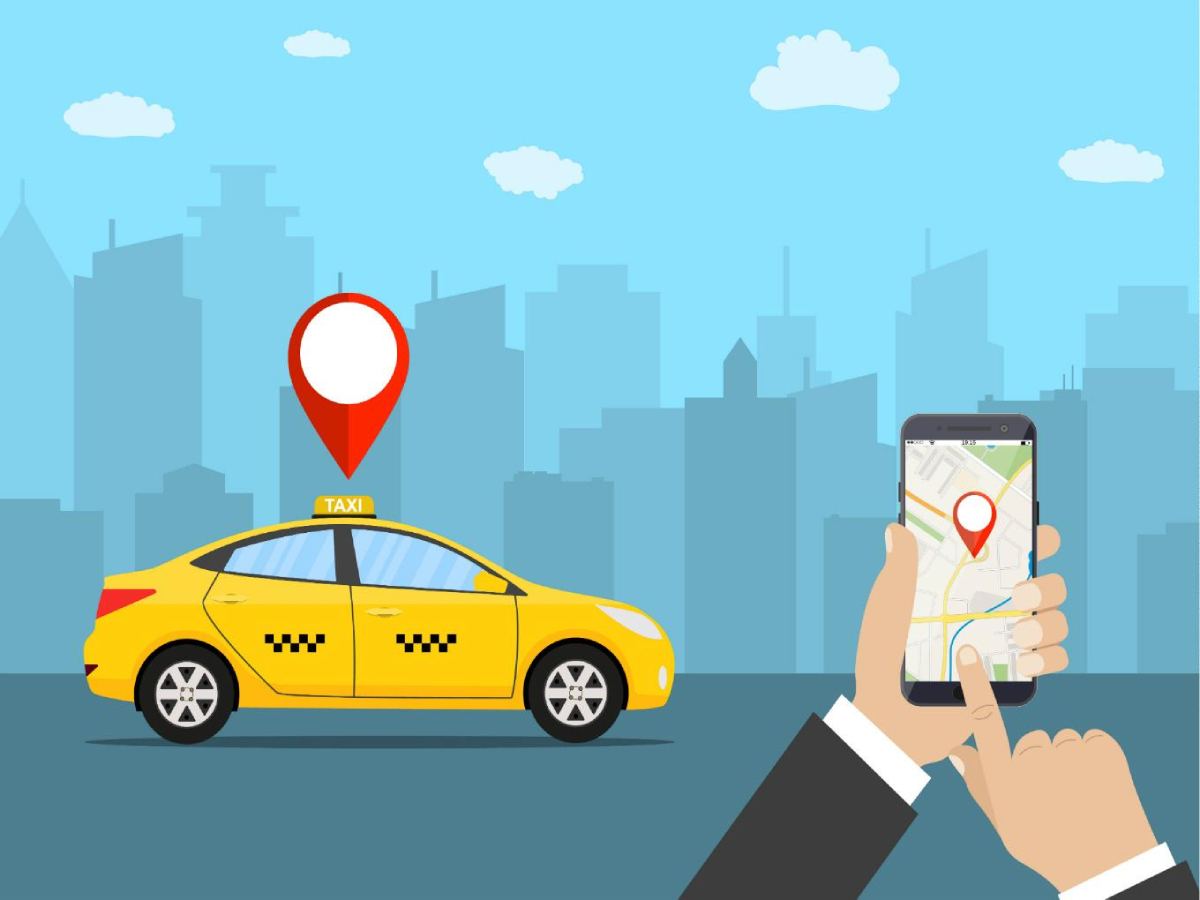
The recent government decision to allow cab apps like Ola and Uber to charge up to twice the base fare during peak hours has triggered outrage among many commuters.
People took to social media to accuse the government of siding with private companies and burdening the middle class. Some called the move legalized looting, worried about paying double fares during rush hours or bad weather.
Officials claim the main aim of the new rule is to ensure cab availability during high-demand periods, such as office hours, rainy days, or festivals.
Without surge pricing, many drivers avoid working during busy times, leading to fewer cabs when people need them most.
Allowing fares up to 2x gives drivers an incentive to stay online when demand spikes, helping riders find cabs faster.
The guidelines also cap maximum surge at 2x so prices cannot rise endlessly.
Outside peak hours, companies must keep minimum fares at or above half the base rate to keep rides affordable during low-demand times.
Importantly, commuters still have public transport options like buses, metros, and autos if they find cab fares too expensive during peak hours.
Choosing these alternatives can save money and reduce dependence on surge-priced rides.
Meanwhile, many Delhi residents have expressed anger over the government’s decision requiring diesel cars older than 10 years to be sold for scrap.
People say this rule is unfair, adds financial strain, and punishes middle-class families who rely on these vehicles for daily travel.
Authorities face growing criticism over these policies as people demand practical solutions instead of measures that increase costs or force them to discard their cars.