In a surprising development on Monday, a manipulated image depicting a massive explosion at the Pentagon gained temporary traction online, leading to a brief but significant downturn in the financial markets. This incident has sparked renewed discussions regarding the potential risks associated with generative artificial intelligence (AI) and its impact on our society.
The image, which many suspected to be generated using AI technology, quickly spread across various accounts, prompting the Pentagon to issue a statement denying the occurrence of any such explosion. A spokesperson for the institution categorically refuted the report, stating, “We can confirm that this was a false report, and there was no attack on the Pentagon today.”
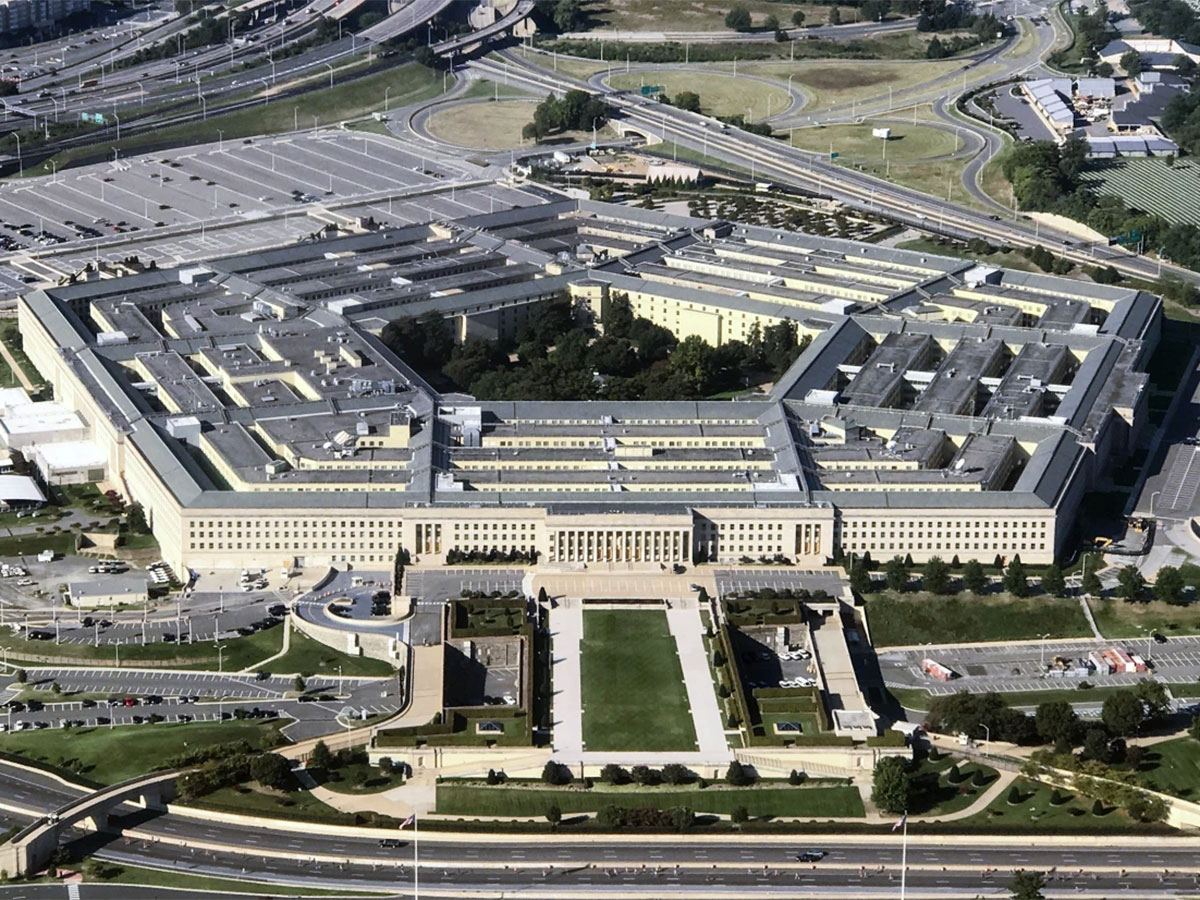 The fire department in Arlington, Virginia, also took to social media to clarify that no explosion or related incident had taken place at or near the Pentagon. Nonetheless, this incident adds to a growing list of fabricated images that have recently captivated the internet, including surreal scenarios like the alleged arrest of former US president Donald Trump and even Pope Francis sporting a puffer jacket.
The initial discovery of the Pentagon image being shared on Twitter was traced back to an account known for promoting QAnon and spreading disinformation, but the origin of the image itself remained unknown.
The emergence of new generative AI technologies has granted individuals without specialized knowledge the ability to produce highly convincing images within a matter of seconds, eliminating the need for expertise in programs like Photoshop. While this accessibility is beneficial in many ways, it has inadvertently opened the door to potential misuse and the spread of misinformation.
The impact of this particular instance of digital deception reverberated through the financial sector, briefly unsettling the markets. The S&P 500 experienced a 0.29 percent dip compared to its previous Friday closing value before quickly recovering. Reflecting on the incident, Pat O’Hare commented, “There was a temporary decline likely linked to this false news as trading algorithms picked up on it, but I believe the extent of the decline did not match the apparent severity of the false news.”
This alarming incident serves as a stark reminder of the challenges posed by the rapid advancement of AI technologies. As society grapples with the pervasive influence of these innovations, it becomes essential to navigate the delicate balance between the convenience they offer and the potential hazards they may present.