Connectivity has long favoured densely populated regions, leaving remote locations largely invisible. While cities enjoy constant internet access, isolated places like Antarctica have remained disconnected, limiting real time sharing and communication from these extreme environments.
This digital divide has shaped how the world is seen and understood. However, advancements in satellite technology are beginning to challenge this imbalance and expand access to areas once considered unreachable.
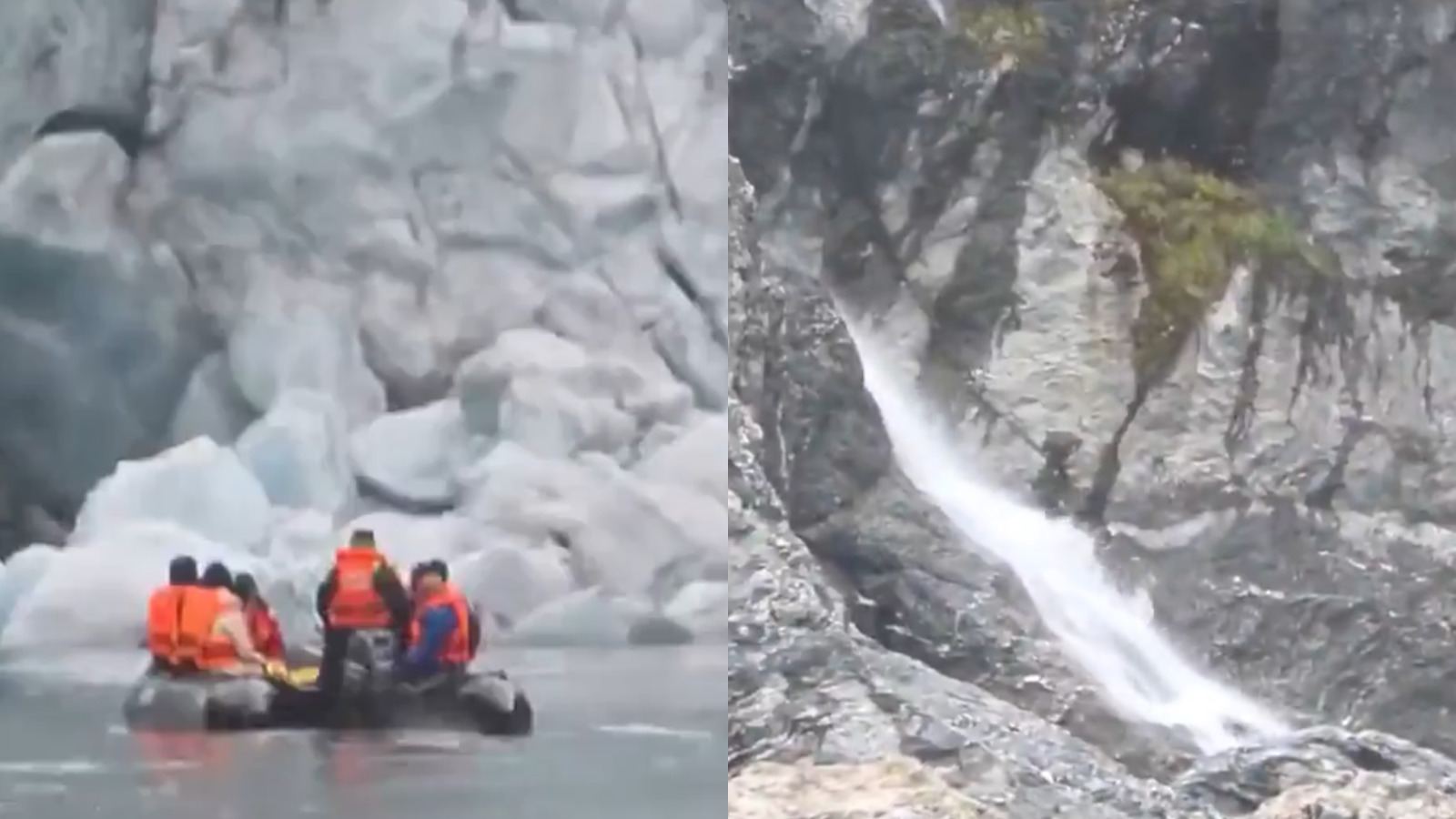
A recent live stream from Antarctica’s famous Ice Wall highlighted this shift. Enabled by Starlink, the broadcast marked a rare moment where live video emerged from a region without any traditional internet infrastructure.
For the first time, someone streamed directly from this frozen frontier. As noted in a ChotaNews post, Antarctica has never supported live broadcasts before due to the absence of stable and reliable networks.
Starlink’s satellite based system has changed that reality. By bypassing cables entirely, it delivers internet signals to places where physical infrastructure cannot exist or be maintained.
This development goes beyond a simple technology showcase. It represents a move towards democratising access to the most remote corners of the planet.
Tourist destinations and scientific research stations could now share real time visuals. Audiences may experience these locations instantly rather than waiting for edited footage released much later.
However, concerns remain around affordability and access. Questions persist about whether high costs will restrict usage to a select few or allow broader participation over time.
Starlink has shown that satellites can overcome isolation. Its long term impact will depend on how sustainably and inclusively this technology can be scaled across the world.
Because of Starlink, the first person has live streamed the legendary “ice wall” in Antarctica.@Starlink is a game changer for the streaming industry.
We can now see places like never before.
Amazing. pic.twitter.com/unPjfeGVYX https://t.co/o5cFSuF34v
— Mario Nawfal (@MarioNawfal) February 10, 2026