India is facing a serious health crisis with a rise in cardiovascular diseases (CVDs) like heart disease and stroke. Indians experience these diseases 10 years earlier than people in Western countries, which is a major concern for public health.
CVDs are the leading cause of death globally, and India ranks second in this tragic statistic. Every year, more than 20% of men and nearly 17% of women in India lose their lives to these diseases.
Heart doctors emphasize that Indians face a 20-50% higher risk of dying from coronary artery disease (CAD) compared to other populations. Over the past 30 years, CAD-related deaths and disabilities have doubled in India.
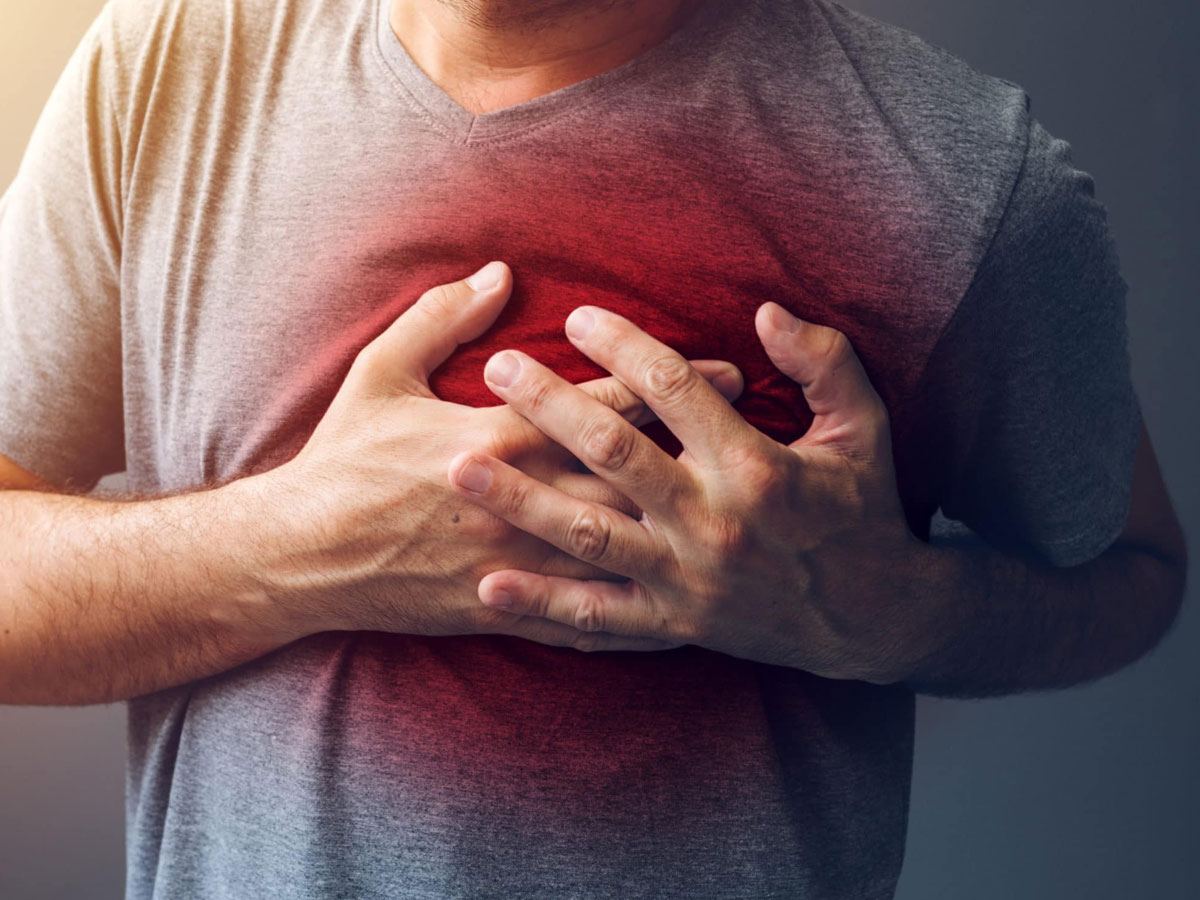
One of the alarming aspects is that Indians develop CVDs a decade earlier than people in Western countries. This early onset highlights the need for timely intervention and awareness of symptoms like angina, which is chest pain associated with heart problems.
Several factors contribute to this epidemic, including genetic predisposition, unhealthy diets high in fats and cholesterol, lack of physical activity, and adopting Western lifestyles such as smoking and excessive drinking.
Women in India face an additional challenge as they often experience atypical symptoms, making it harder to detect angina early and delaying treatment.
To tackle this crisis, promoting healthy habits like regular exercise, balanced diets, and managing stress is crucial. Early detection and treatment of risk factors such as high blood pressure, diabetes, and high cholesterol are also vital. Public awareness campaigns can educate people about heart attack symptoms and the importance of seeking medical help promptly.
By focusing on prevention, early detection, and lifestyle changes, India can take significant steps to address this growing health threat and ensure a healthier future for its population.