 In an era when movie budgets often rival the GDP of small nations, Chandrayaan-3’s modest budget stands out as a testament to innovation and fiscal responsibility.
While the film industry continues to shell out millions for CGI-laden spectacles, India’s space agency ISRO has demonstrated that grand achievements can come at a fraction of the cost.
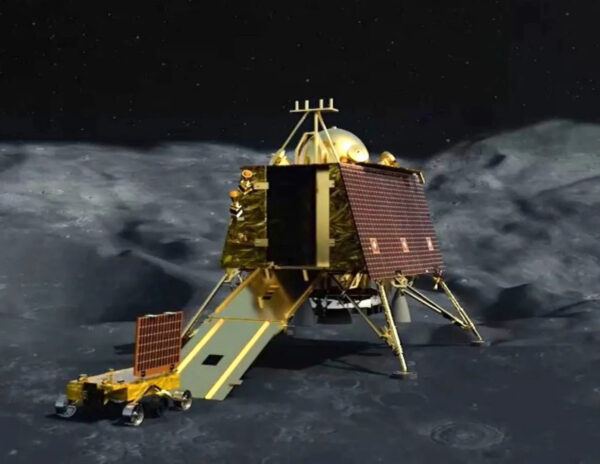
Chandrayaan-3, ISRO’s third lunar exploration mission, has garnered global attention not only for its scientific significance but also for its incredibly lean budget of Rs. 615 crores (75 million USD).
This achievement becomes all the more intriguing when compared to Hollywood’s extravagantly funded productions. For instance, while Tom Cruise’s “Mission: Impossible – Dead Reckoning Part One” sported a budget of Rs. 2,386 crore ($290 million), Chandrayaan-3’s mission to the moon stood strong at just a fraction of that cost.
This budgetary discipline raises the question: How did ISRO manage to achieve so much with so little? While the agency keeps certain tactics under wraps, reports suggest that a combination of harnessing indigenous technologies and strategic global partnerships played a pivotal role. ISRO’s Chairman, K Sivan, emphasized that every rupee invested was carefully utilized for optimal results.
What’s more, Chandrayaan-3’s budget could even be compared to the colossal figures of the Indian film industry. The excessive spending on movies like “Adipurush,” which failed to resonate with audiences, sheds light on the contrast between entertainment and scientific exploration.
While Bollywood and Hollywood continue to indulge in lavish productions, ISRO has demonstrated that innovation, collaboration, and prudent resource allocation can lead to achievements that redefine the realm of possibility.