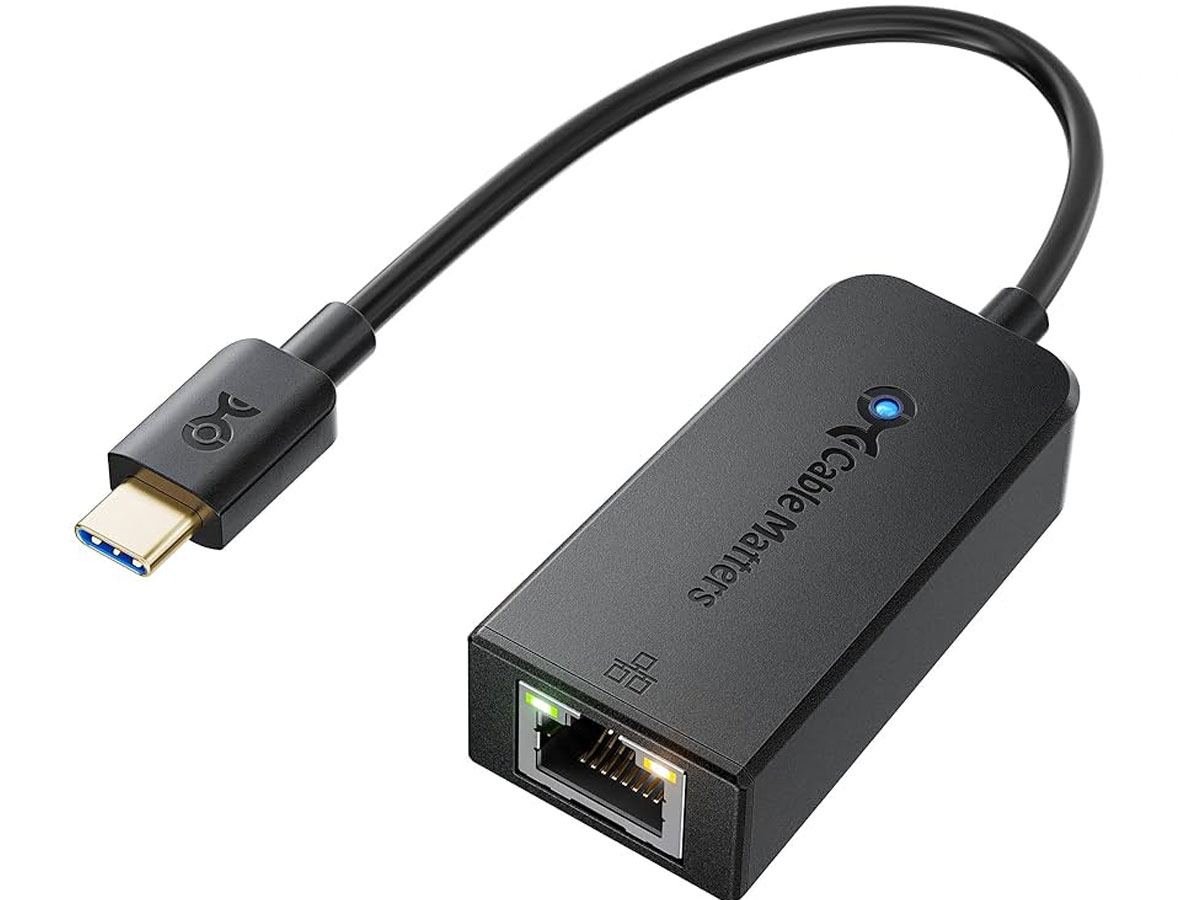
We are a generation that uses technology for daily tasks and with this heavy dependence on technology comes a huge baggage of wires. Wires to connect to different ports for different devices. The variations of ports used in the multitude of technological devices has created confusion and unease for many.
This dilemma of ports escalated with the increased popularity of iPhones and Androids. Apple has been stubborn in its usage of Lighting ports in iPhones whereas most of the Android phones have shifted to a better system of Type-C ports. The Lightning cables are not only inferior but also they are not good in terms of longevity.
After the European Union’s mandate for all rechargeable electronics to include a Type-C port, the Government of India has decided to do the same. The Burea of Indian Standards (BIS) is formalising a standard set of instructions to follow for all smartphones, laptops and tablets.
Having a universal port not only lessens the baggage of wires one has to carry but also reduces e-waste. Being able to charge all devices through one cable will liberate consumers from the confusion of ports and it will also make cables sharable amongst multiple users.
This directive will be in action, three months after the given timeline of the European Union as the makers provide a supply of these electronic goods globally. For all OEMs, the deadline is December 28, 2024, and Laptop makers have been given time till 2026 by the European Union.