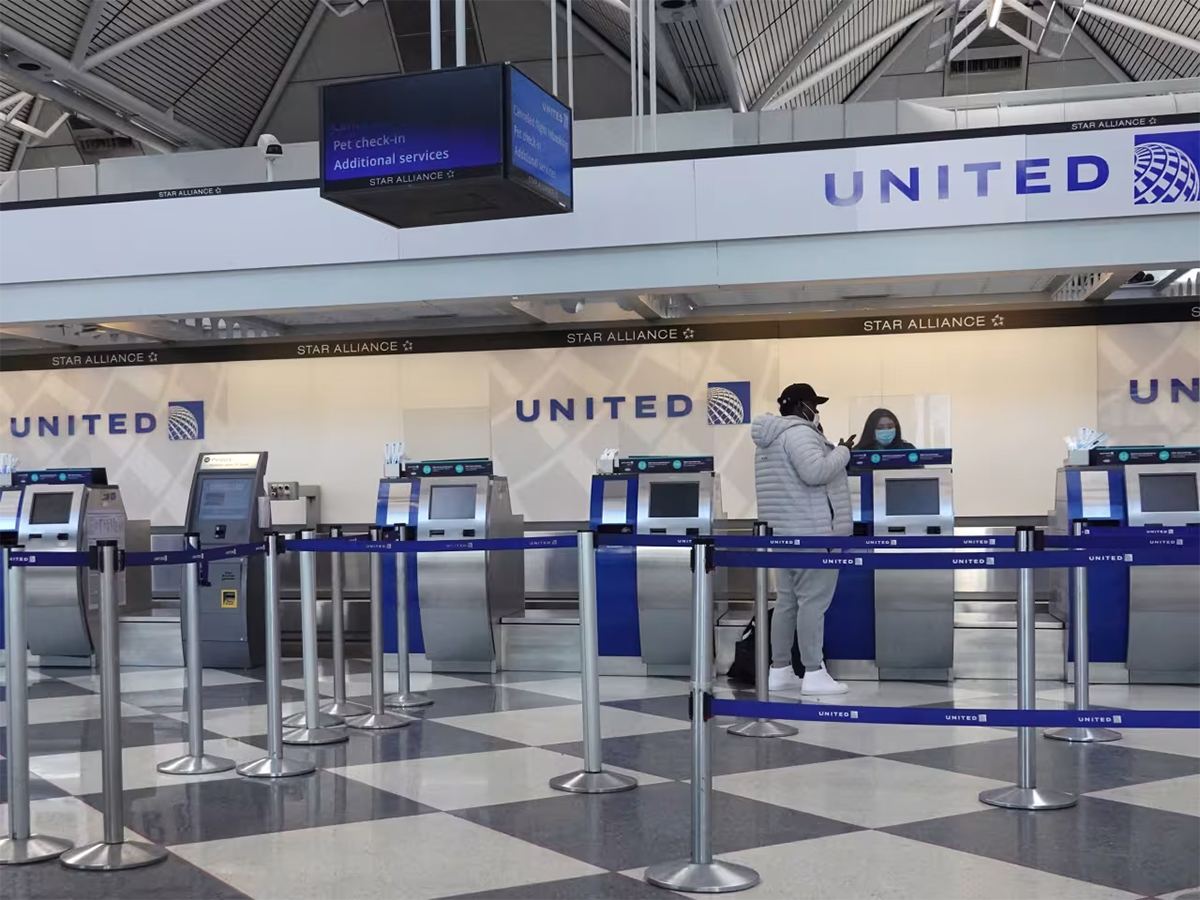
A United Airlines passenger narrowly avoided losing $150 after falling for a fake helpline number while trying to fix a small typo on their ticket.
Less than 24 hours before departure, the traveler searched online for help and landed on a convincing blog post about airline name changes. The page listed a toll-free number claiming to connect to United Airlines customer service.
On calling, the passenger spoke to a man with an Indian accent, with background noise resembling a busy call center. He claimed the name correction was a major issue that could prevent boarding unless the passenger paid $150 immediately. When questioned about the fee, the man became aggressive, pressuring them to pay on the spot.
Sensing something was wrong, the passenger hung up and checked United Airlines’ official website. They then reached a real representative who fixed the name for free within minutes.
The incident highlights a growing problem where fake customer service websites and phone numbers prey on anxious travelers. Such scams use convincing designs and urgent language to extract money for non-existent services.
United Airlines, and other carriers, are urged to step up efforts to warn customers about these fake helplines and provide clear instructions for safe communication.
For passengers, the rule is simple: always confirm contact details on the airline’s official website before calling. A small typo could have turned into a costly mistake, all because of a scam page that looked legitimate.