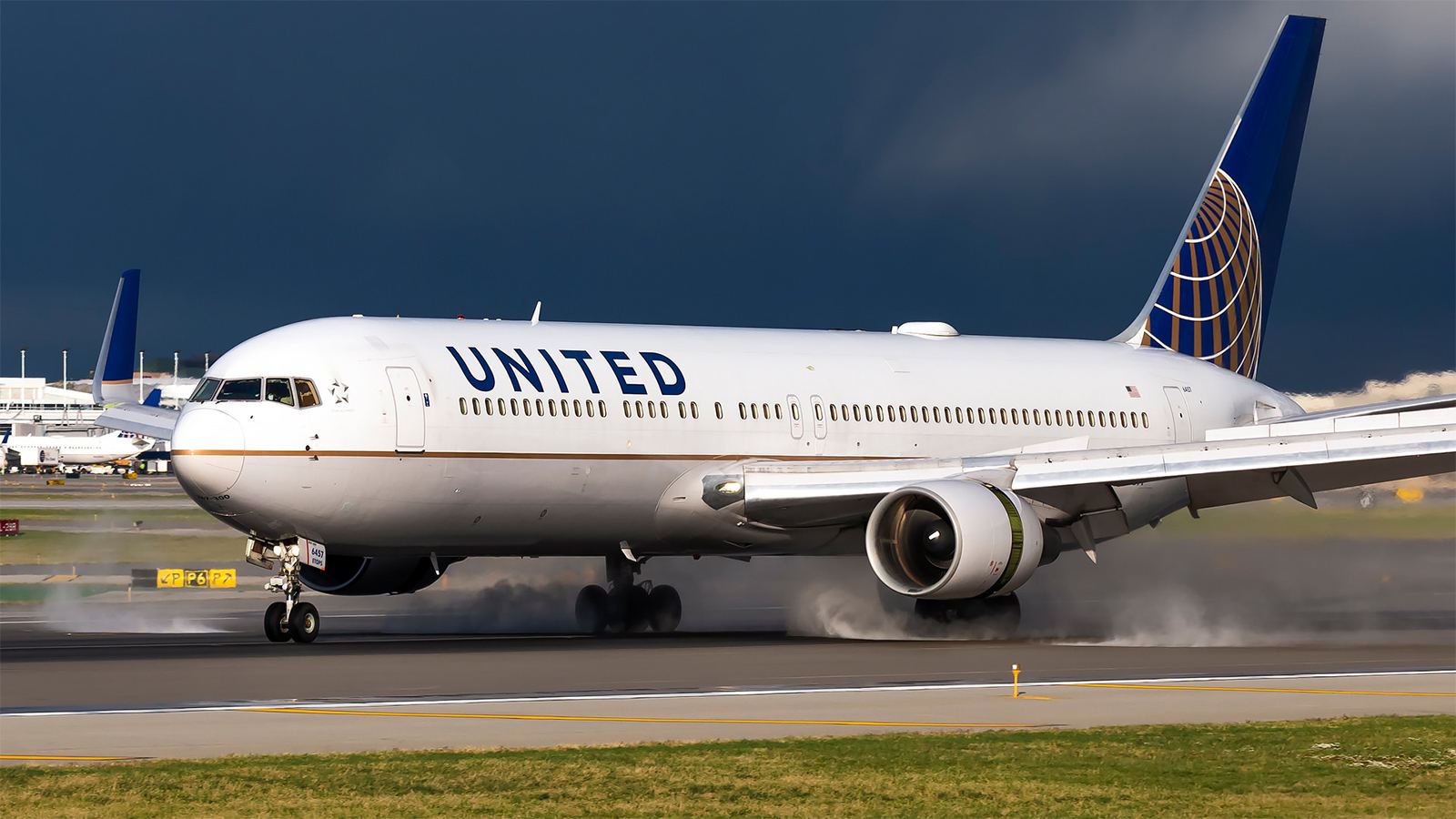
United Airlines faced an expensive disruption when a Boeing 767 dumped 33,000 pounds of fuel over England after a major lavatory failure. The flight, UA-331 from Paris Charles de Gaulle to Washington Dulles, turned back within an hour of takeoff.
Toilets Break Down Mid-Flight
Three of the seven toilets stopped working, creating a sanitation problem for more than 200 passengers on a nine-hour transatlantic journey. The crew had little choice but to divert and land safely before conditions worsened.
Pilots Choose Fuel Dump
The aircraft returned to Manchester, but to land safely it needed to reduce weight. Pilots dumped tens of thousands of pounds of fuel to bring it down to the maximum safe landing limit, ensuring a controlled and safe touchdown.
Environmental and Maintenance Concerns
While the decision protected passengers, it carried environmental and financial costs. Proper preflight checks could have avoided this situation. The incident also raises questions about maintenance practices and whether inspections were thorough enough before departure.
Passenger Welfare and Standards
On long-haul flights, working toilets are critical. A ratio of one lavatory for more than fifty passengers is unacceptable on journeys of nearly ten hours. United’s handling of this failure shows why passengers expect better preventive measures.
Aircraft Grounded for Repairs
The fault appeared soon after takeoff, adding to doubts over inspection quality. The aircraft later had to be ferried empty back to the United States for repairs, reinforcing concerns about oversight and the airline’s technical standards.
Compensation for Delays
Passengers reached their destinations after delays and qualified for EU compensation. Still, the incident highlighted United’s recurring technical lapses. For many, it pointed to poor maintenance culture rather than an unavoidable emergency.