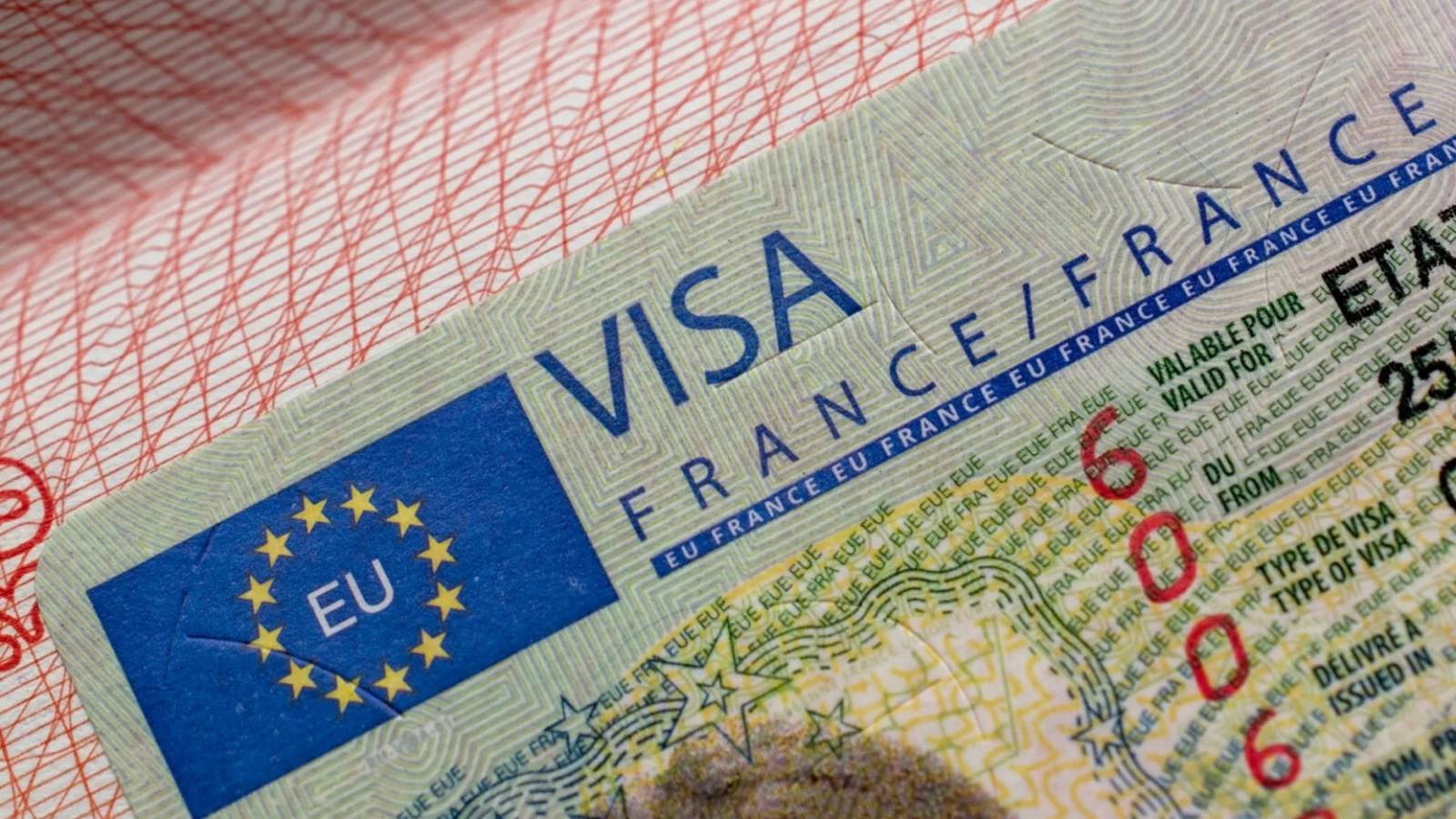
Indian travellers flying through Europe have received major relief after France removed a visa rule that often created confusion and last-minute panic during international journeys. The decision is expected to benefit thousands of Indian passengers travelling through French airports.
Indian passport holders no longer require an Airport Transit Visa (ATV) while transiting through French airports, provided they remain inside the international transit zone. The new rule reportedly came into effect on April 10 and has already started drawing attention among frequent international travellers.
For many years, several Indian passengers became aware of the French transit visa requirement only during airport check-in procedures. Because of this, some travellers reportedly missed flights, while others were denied boarding despite holding valid visas for their final destination countries.
The issue particularly affected Indian students, H-1B workers, tourists, and families travelling to countries such as the United States and Canada through Paris. Since France has now become the first Schengen country to remove ATVs for Indians, the move is expected to make French airports more attractive transit hubs.
However, the exemption applies only to airside transit within the international transit area of the airport. Travellers who need to leave the airport, switch airports, or exit the transit zone during long layovers may still require a valid Schengen visa.
Travel experts believe the latest decision could significantly simplify travel planning for Indians using European transit routes. It may also reduce stress related to last-minute visa confusion and airport boarding issues that many travellers previously faced.
According to reports, Germany could also consider introducing similar relaxations in the future. If that happens, Indian travellers may get access to more convenient European transit options beyond the commonly used Middle Eastern routes.
The development is currently being viewed as a positive step for Indian international travellers, especially students and working professionals who frequently rely on connecting flights through Europe for long-distance travel.