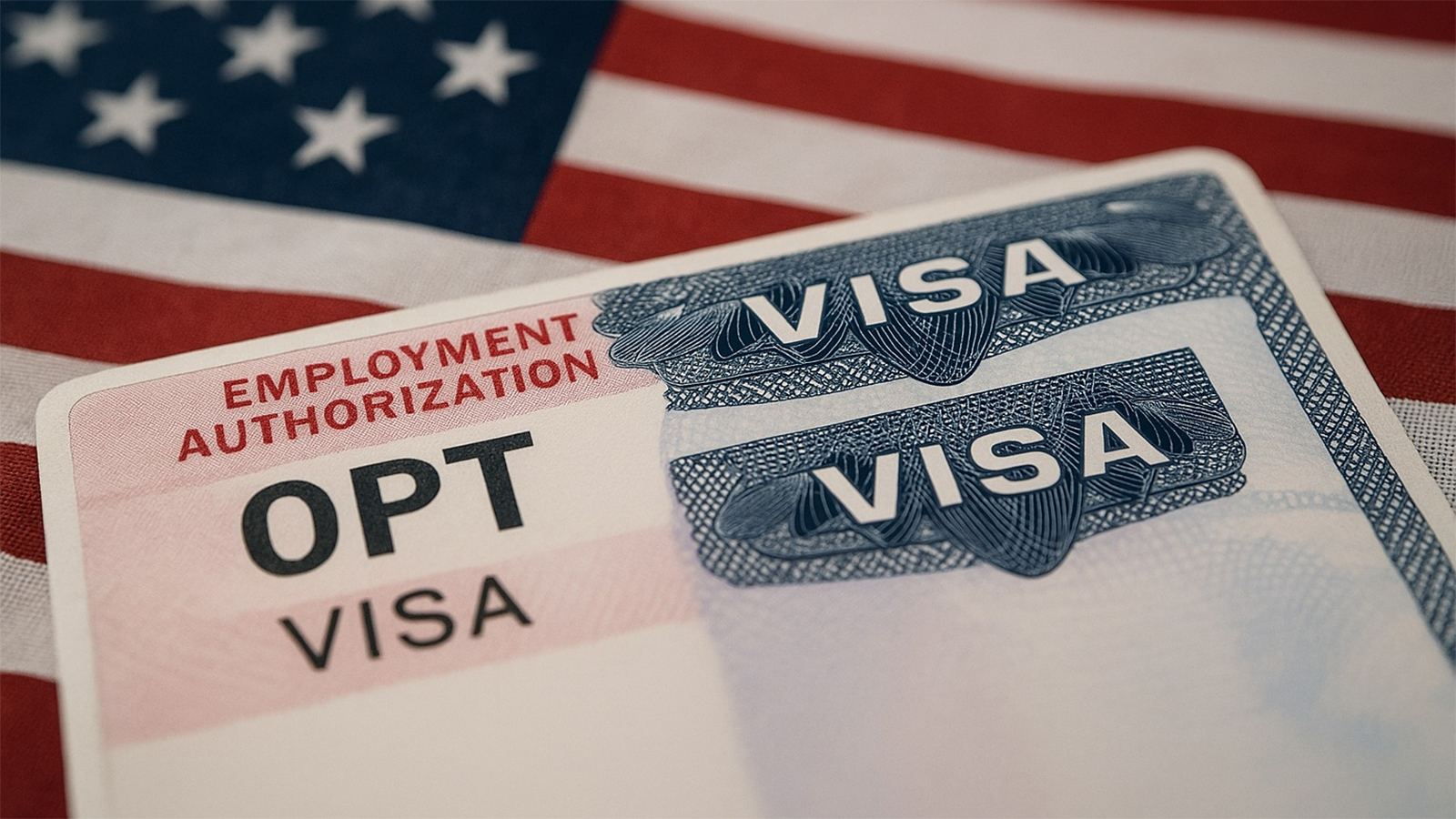
An OPT 30-day rule error has triggered fear for an F-1 visa holder after a routine filing ran into a date mismatch. You face real anxiety when a single day delay risks years of academic effort and legal status.
The student received the I-20 from the Designated School Official on November 20. USCIS records show the I-765 application reached them on December 20. This timing sparked concern that the OPT 30-day rule was missed by one day.
OPT 30-Day Rule Deadline Explained
Under the OPT 30-day rule, you must file Form I-765 within 30 days of the I-20 issue date. Missing this window often leads to denial. That strict rule leaves little room for error, even when delays feel unavoidable.
The student graduated on December 12, which set the F-1 grace period deadline at February 10. With no USCIS update yet, the student believes the OPT 30-day rule delay is causing the hold-up.
Premium Processing Fails to Ease Fears
To limit damage, the student opted for premium processing on January 23. The faster service promised quicker decisions, but the case remains pending. This has added to the stress rather than easing concerns.
Many F-1 students report similar delays even after paying extra. Some say denials arrived quickly, which at least allowed them time to refile within legal limits.
Risk of Refiling OPT Application
The student is now weighing whether to withdraw the application or submit a fresh one with a new I-20. You often worry that two OPT filings may trigger an automatic rejection.
The OPT 30-day rule remains one of the harshest parts of the F-1 system. Even a one-day delay can undo years of planning, study, and compliance with US immigration rules.