Trump’s proposed $100,000 H-1B visa fee has reportedly failed to generate the expected revenue for the United States. The policy is also facing legal challenges in court. Early data suggests that the financial outcome has been far below projections.
According to immigration policy analysts, only 85 companies have paid the new fee so far. This has generated around $8.5 million in revenue. The amount is significantly lower than what policymakers had expected.
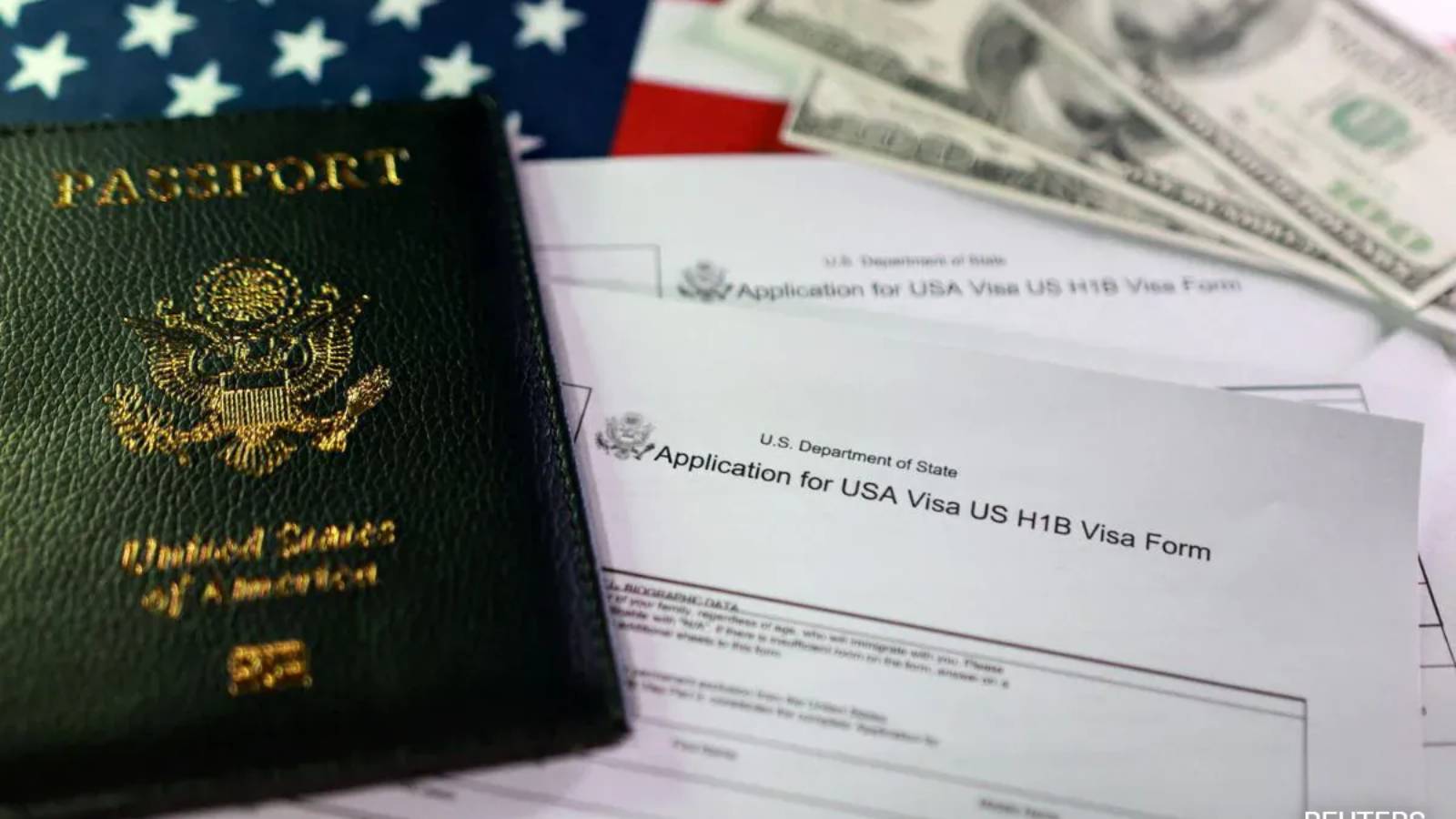
The $100,000 fee was introduced through a presidential proclamation in September 2025. It applied to new H-1B consular petitions filed from outside the United States. Earlier, companies typically paid between $2,000 and $5,000 as filing fees.
The H-1B programme has traditionally helped US companies hire skilled workers. A large number of these professionals have come from India. The new policy was expected to bring stricter oversight to the visa system.
However, data indicates that revenue from standard H-1B petitions has dropped sharply. Reports suggest the government has already lost around $28 million from reduced filings. This decline is linked to the steep increase in application costs.
The $8.5 million figure has emerged from court documents related to the legal challenges against the fee. When the two numbers are combined, analysts estimate that the government is facing a net loss of about $20 million.
Supporters of the policy argue that the goal was not purely financial. They say the move was intended to protect American workers and increase regulation of the visa programme.
Critics disagree with that claim and point to the lack of evidence that the policy has improved employment opportunities for Americans. So far, there are no clear signs that these specialised roles are being filled by local workers.
Many technology companies are reportedly considering shifting these roles overseas. Several firms are exploring options to move more work to India to avoid the increased costs linked to the visa process.
Economist Daniel Di Martino has also raised concerns about the long term impact. He estimates that each H-1B worker contributes significantly to the US economy through taxes. According to his earlier analysis, one visa holder can reduce the federal deficit by more than $800,000 over time.
This suggests the policy could lead to a larger long term economic loss. Businesses challenging the rule say the extremely high fee has discouraged companies from filing new petitions. The legal battle over the policy is still continuing in court.