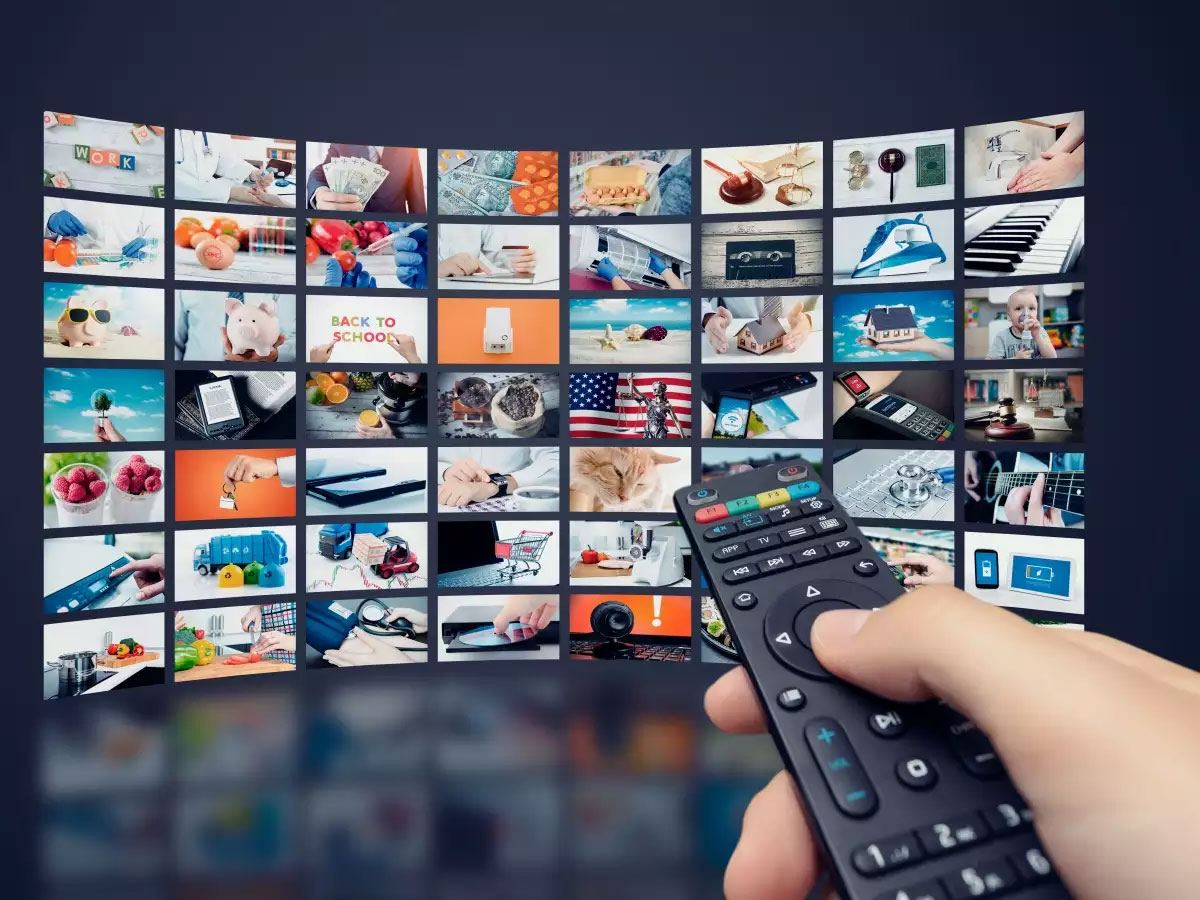
In the fiscal year 2022-2023, the Indian TV industry saw a decrease of 1.5%, totaling Rs 70,900 crore in revenue, according to the Telecom Regulatory Authority of India (TRAI).
Subscription revenue fell by 3.69% to Rs 39,200 crore, while advertising revenue increased by 1.6% to Rs 31,800 crore. The TV sector consisted of 332 broadcasters offering 903 private satellite TV channels, including 254 SD and 104 HD Pay TV channels.
Viewer figures included around 64 million cable TV households, 2 million HITS subscribers, and 65.25 million pay DTH subscribers.
In the past, popular serials used to achieve TRPs of 9-10, but now even hitting 2-3 TRPs is considered significant. The amount of TV consumption has decreased.
Previously, primetime TV serials held audiences captive for years, despite slow plot progression. However, the rise of OTT content has diverted audience attention, leading to declining TV ratings.
Renowned Telugu producer Shobu Yarlagadda, known for his work on the Baahubali films, shares that while the Telugu audience for serials remains stable compared to Hindi, there has been a decline in Telugu viewership in recent years.
Producers are adapting to this shift by adjusting their content to suit various platforms, termed the ‘TV+’ model. Advertisers are following suit, with 40% of ad revenue migrating to OTT platforms and social media, targeting younger audiences.
Leading broadcasters now have their own OTT apps, and many TV serials also garner significant viewership digitally.
The future of TV advertising seems uncertain, with digital platforms experiencing rapid growth compared to TV. Veteran producers are increasingly turning to web content, favoring short-format shows over lengthy serials due to cost-effectiveness and flexibility.
Producers acknowledge that the popularity of primetime TV serials is declining, attributing this trend to the rise of OTT platforms. They believe the peak era of television has passed, with OTT being the primary cause.