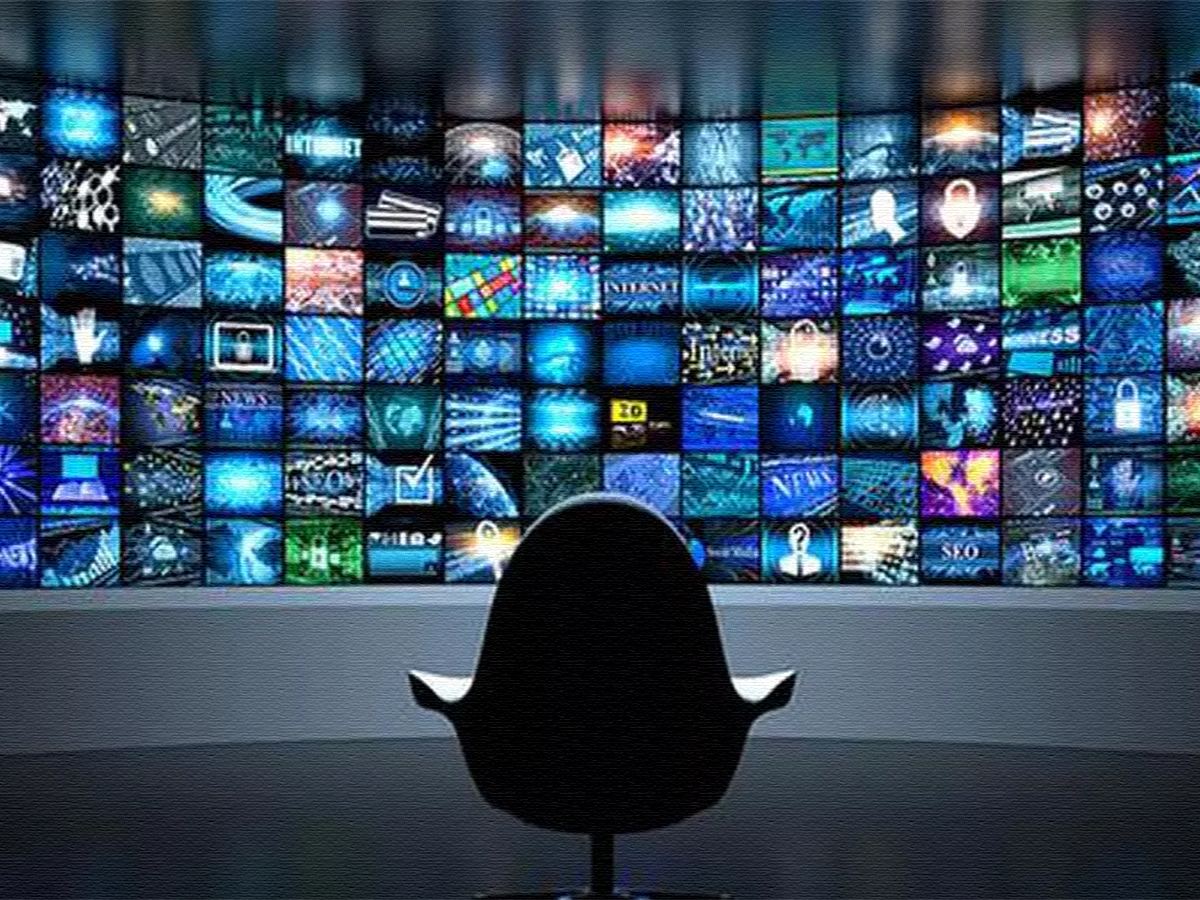
The Indian television industry, once celebrated for its relatable and realistic storytelling in the 1980s and 90s, now finds itself in a creative rut.
What once captivated audiences with simple, heartfelt depictions of everyday life has devolved into a monotonous cycle of repetitive plots—mainly regressive soap operas centered on family drama, supernatural themes, and exaggerated character arcs.
The industry’s overreliance on worn-out formulas and its reluctance to take risks have led to content that lacks innovation and freshness.
Driven by TRP ratings and advertiser demands, television content now prioritizes commercial success over quality, often ignoring the changing tastes of its audience.
In contrast, the rise of OTT platforms has opened doors for bold, realistic, and diverse storytelling, exposing the stagnation within traditional television even further.
The lack of opportunities for new writers, continued dependence on old creative teams, and outdated visual effects and production values have further alienated younger viewers.
For Indian television to regain its relevance and appeal, it must embrace change—encouraging fresh ideas and diverse writers, and focusing on quality storytelling that reflects modern realities.
Otherwise, it risks being left behind and remembered only as a relic of the past.