Every place where film enthusiasts or industry insiders gather, the main topic of discussion is how the industry is currently in its worst phase.
Films, regardless of their budgets, are flopping, and there’s a severe lack of fresh, upcoming content.
The same types of films are getting remade, and the same few producers dominate the game, churning out unimpressive content with massive budgets.
But how did it come to this? How did everything become so stagnant and repetitive?
According to reports, industry insiders say this cycle continues because there’s a severe lack of new producers entering the market.
The industry urgently needs fresh capital from new investors. Currently, it continues to be funded from within.
Without new players stepping in, the pool of funds shrinks. As a result, whatever the industry produces or earns remains confined to a limited ecosystem.
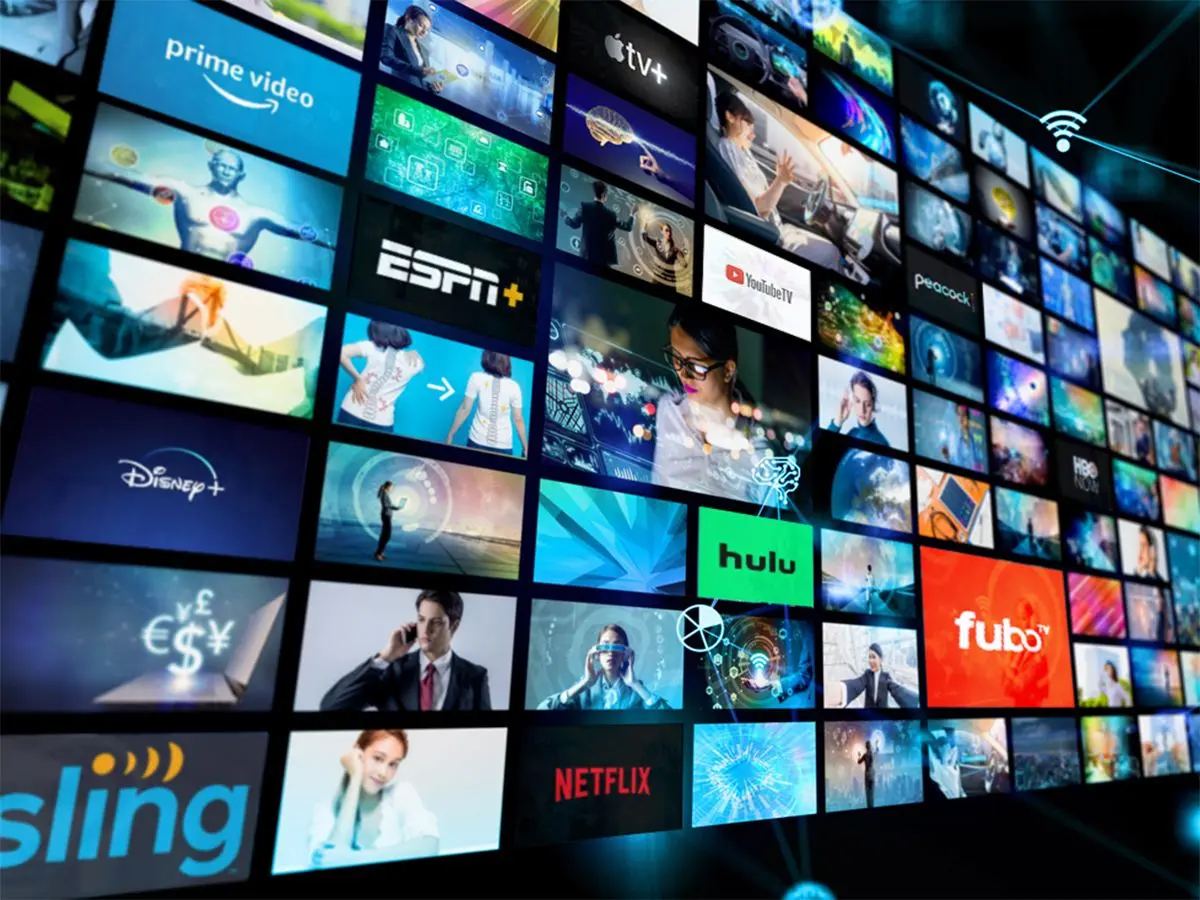
To add to this, back in 2017–18, when OTT platforms entered the scene with big promises to transform cinema, they hired numerous new writers, directors, and crew members.
At the time, the Hindi film industry also had a steady stream of small-scale independent producers—people who sourced funds or invested their own money to make films and later sold them to studios.
This allowed for new voices, fresh content, and a consistent flow of money into the market. But now, that chain of producers has almost vanished.
OTT platforms now demand an established producer, a director with a proven track record, and a star to headline every project.
During COVID-19, these platforms were desperate to build a content library and paid obscene amounts to acquire films. Even small to mid-budget films were sold at inflated prices. But this money primarily benefited producers, not the artists who helped make the content.
Writers, DOPs, and other creatives are being squeezed out. The same talents who felt hopeful about their careers in 2019 with the OTT boom are no longer seeing that financial promise materialise.
Now, they are sitting back and choosing to wait for better opportunities instead of investing in new projects.
Actors who charged ₹20–30 crore per film are waiting for even higher offers. Writers are now expected to deliver fully sketched outlines for the first five episodes of a show, without any guarantee of payment.
Meanwhile, top producers like Dharma, YRF, and Nadiadwala, who barely feel the financial strain, continue to churn out mediocre content. The entire cycle is broken, with no new investors willing to fund new talent.
And caught in the middle of all this—between major producers, OTT giants, and the lack of financial circulation—are the ones suffering most: the artists, the writers, the DOPs, and the crew.